Raytheon Awarded $603 Million For New Radar For B-52
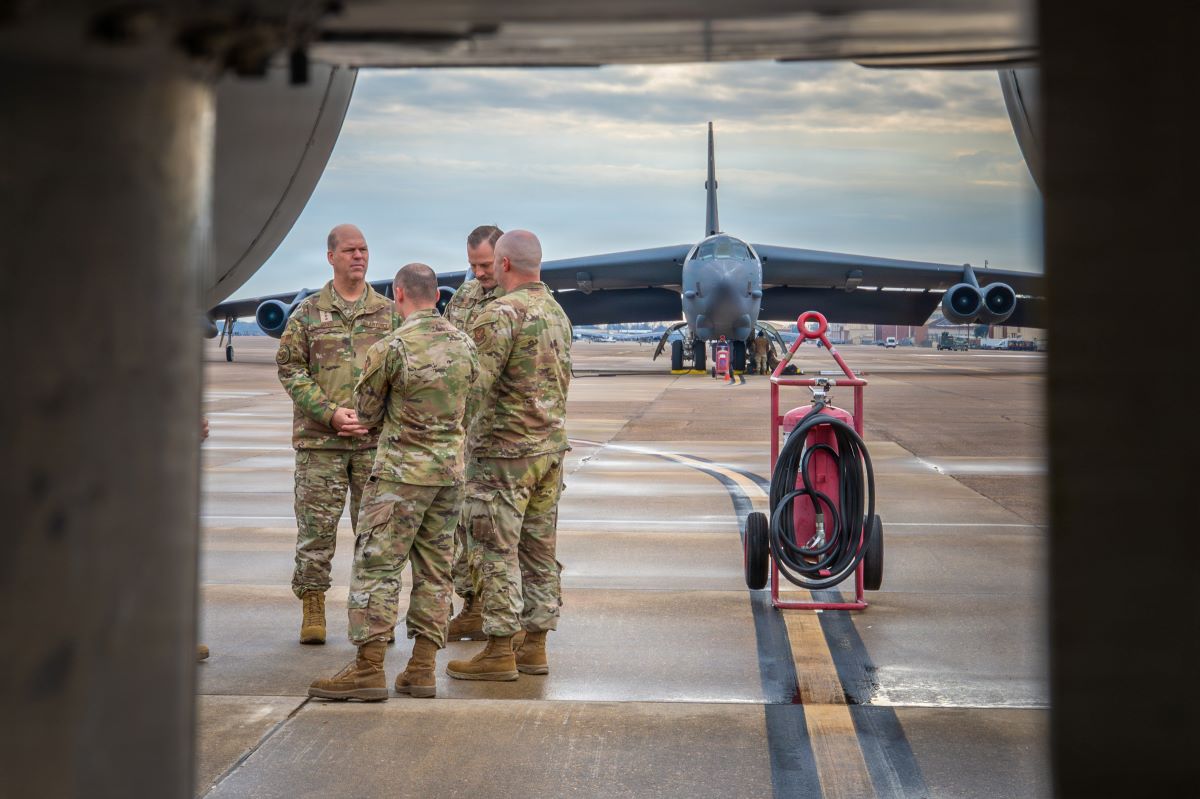
In a significant leap forward for modernizing its aging fleet, the United States Air Force has awarded Raytheon a substantial $603 million contract for the development of a new radar system for the iconic B-52 Stratofortress. This investment not only underscores the military's commitment to enhancing its legacy aircraft but also highlights the evolving demands of aerial warfare in an increasingly complex global landscape. As the Air Force continues to adapt to new threats, this radar upgrade represents a critical step in ensuring that the B-52 remains a formidable asset in the U.S. strategic arsenal.
The B-52, which first took to the skies in the 1950s, has undergone numerous upgrades over the decades, transforming it from a nuclear bomber into a versatile platform capable of delivering precision strikes and conducting reconnaissance missions. The introduction of advanced radar technology is essential for maintaining the aircraft's relevance in modern combat scenarios, particularly as adversaries develop sophisticated air defense systems. The new radar is expected to enhance the B-52’s situational awareness and target acquisition capabilities, enabling it to operate effectively in contested environments.
Raytheon's new radar system, known as the Multi-Mode Radar (MMR), represents a significant technological advancement over the current systems used in the B-52. With capabilities such as improved resolution, multi-target tracking, and enhanced ground mapping, the MMR will allow the B-52 to perform a wider variety of missions more effectively. This is particularly relevant as the U.S. military pivots towards multi-domain operations, where air, land, sea, space, and cyber domains intersect. The integration of this radar system is a clear indication of the Air Force’s strategy to leverage cutting-edge technology in legacy platforms to ensure operational superiority.
The implications of this contract extend beyond just the B-52. As defense budgets tighten and the need for cost-effective solutions becomes paramount, the modernization of existing platforms like the B-52 offers a viable path forward. Investing in upgrades rather than entirely new airframes allows for a more prudent allocation of resources while still delivering advanced capabilities. For builders and investors in the defense sector, this contract serves as a reminder of the opportunities that lie in the modernization of legacy systems, which can provide significant returns on investment while ensuring the readiness of the U.S. military.
Moreover, this contract aligns with broader defense initiatives aimed at maintaining U.S. technological superiority. As geopolitical tensions escalate, particularly with near-peer adversaries, the ability to equip legacy systems with modern technology is vital. The B-52’s new radar system will not only enhance its operational effectiveness but also reinforce the strategic deterrent posture of the United States, showcasing the commitment to maintaining a robust and capable military force.
Looking ahead, the successful implementation of this radar system will likely set a precedent for future upgrades across other legacy platforms within the U.S. Air Force and beyond. It is also an opportunity for Raytheon and its partners to demonstrate their leadership in defense technology, potentially paving the way for further innovations in radar and sensor systems. As the defense aerospace sector evolves, the focus will increasingly be on enhancing existing assets to meet new challenges, making investments like this one crucial for the future of military readiness and effectiveness.