Pentagon Signs Framework Deals To Rapidly Buy Low-Cost Cruise Missiles, New Hypersonic Weapon
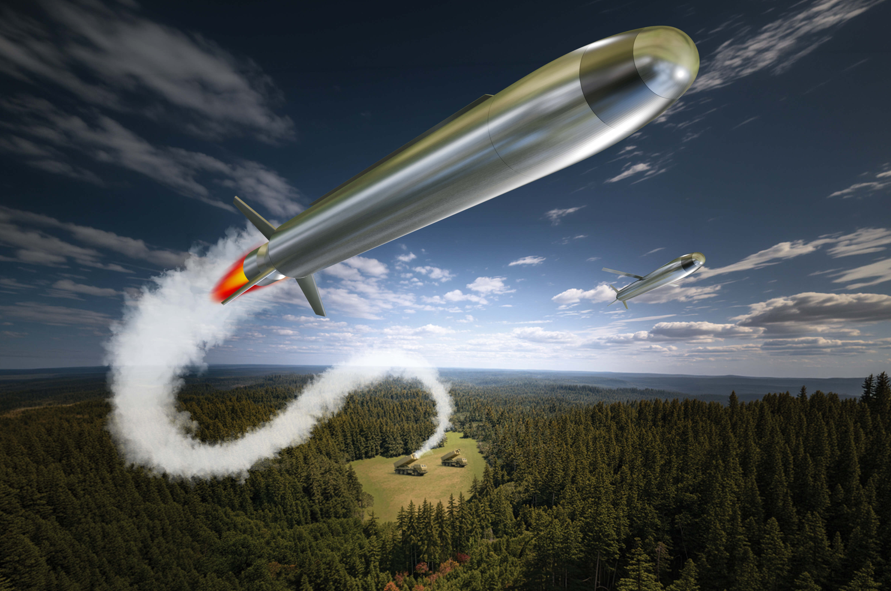
In a significant move that underscores the Pentagon's commitment to enhancing its military arsenal, the Department of Defense has signed framework agreements aimed at rapidly procuring low-cost cruise missiles and developing new hypersonic weapons. This strategic initiative not only reflects the pressing need for advanced armaments in an increasingly volatile global landscape but also signals a shift towards more agile and cost-effective defense procurement practices. For builders, investors, and defense industry professionals, this development opens up new avenues for innovation and investment, particularly in the realm of missile technology.
The rapid evolution of warfare necessitates that the U.S. military adapts its strategies and capabilities to counter emerging threats. The Pentagon's focus on low-cost cruise missiles is particularly noteworthy, as it aligns with the ongoing trend of militaries worldwide investing in precision-strike capabilities that are both effective and economically viable. These cruise missiles, which can be produced at a fraction of the cost of traditional systems, offer a tactical advantage in terms of deployment speed and operational flexibility. For defense contractors, this presents an opportunity to contribute to the development of these systems, which could redefine engagement strategies in future conflicts.
In conjunction with low-cost missiles, the development of hypersonic weapons represents a leap forward in military capabilities. These advanced weapons, capable of traveling at speeds greater than Mach 5, challenge existing defense systems and necessitate a reevaluation of current military strategies. The urgency to develop such technologies is amplified by the advancements made by adversaries in this area. As nations race to achieve hypersonic capabilities, the Pentagon's commitment to this technology not only enhances U.S. deterrence but also positions American defense contractors at the forefront of a highly competitive market.
From an investment perspective, the Pentagon's framework deals indicate a robust future for companies involved in the research and development of missile technologies. As the defense budget allocates funds toward these new initiatives, industry players must be prepared to pivot and innovate to meet the evolving needs of military stakeholders. The emphasis on rapid acquisition also suggests a demand for streamlined production processes and collaboration between government and private sectors, fostering an environment ripe for partnerships and technological advancements.
As we look ahead, the implications of these agreements extend beyond immediate military applications. They signal a broader trend towards affordable mass production of critical defense technologies, which could lead to a paradigm shift in how the U.S. approaches military readiness and deterrence. For builders and investors, this is a call to action to explore the potential of low-cost solutions that can deliver strategic advantages in an unpredictable global security environment. With the Pentagon's commitment to these advancements, the future of defense procurement appears poised for transformation, and stakeholders must engage proactively to capitalize on these emerging opportunities.