Pentagon seeks smarter, self-organizing drones as autonomous-warfare budget is poised to skyrocket
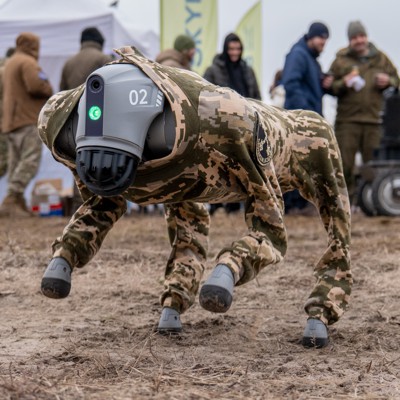
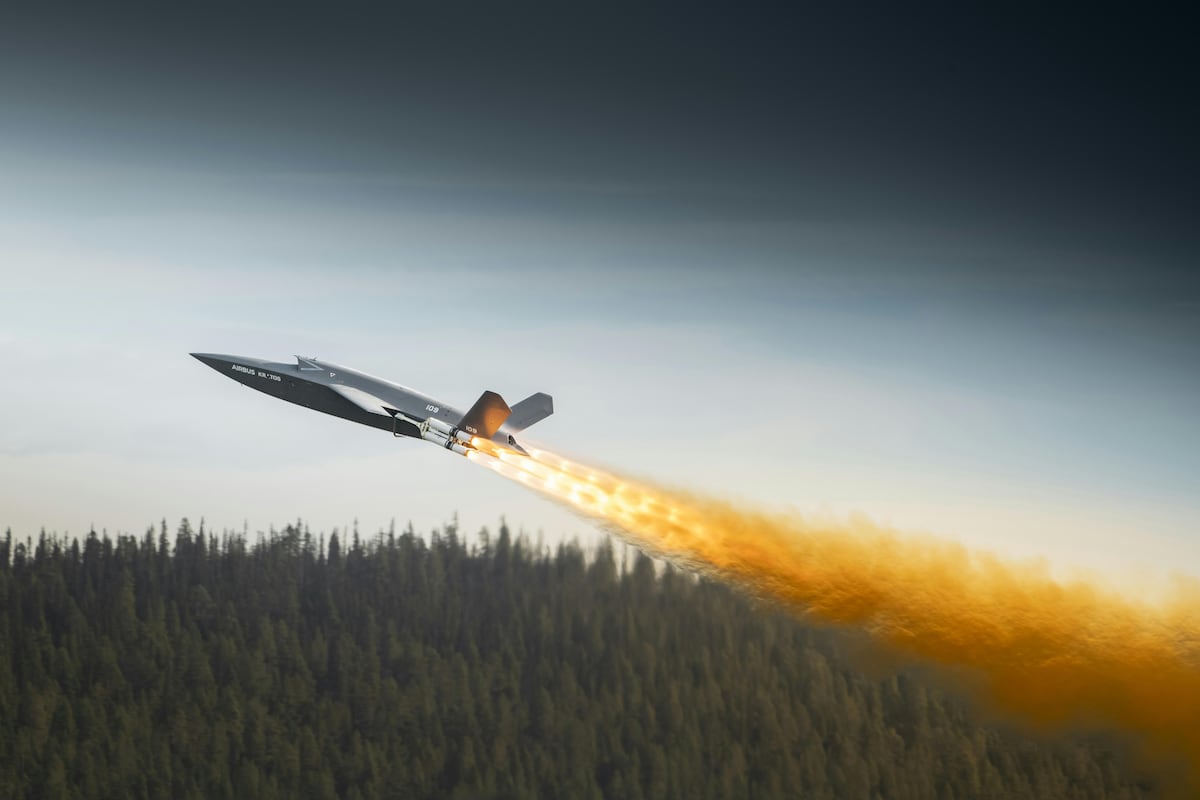
In a bold move that signals a new era of warfare and technological advancement, the Pentagon is ramping up its investment in autonomous drones, aiming to develop smarter, self-organizing systems that can operate in complex environments. As the defense landscape becomes increasingly challenging, the U.S. military recognizes the need for innovative solutions that not only enhance operational efficiency but also ensure strategic superiority on the battlefield. The anticipated surge in the autonomous-warfare budget is a testament to the changing dynamics of military engagements and the critical role that advanced drone technology will play in future conflicts.
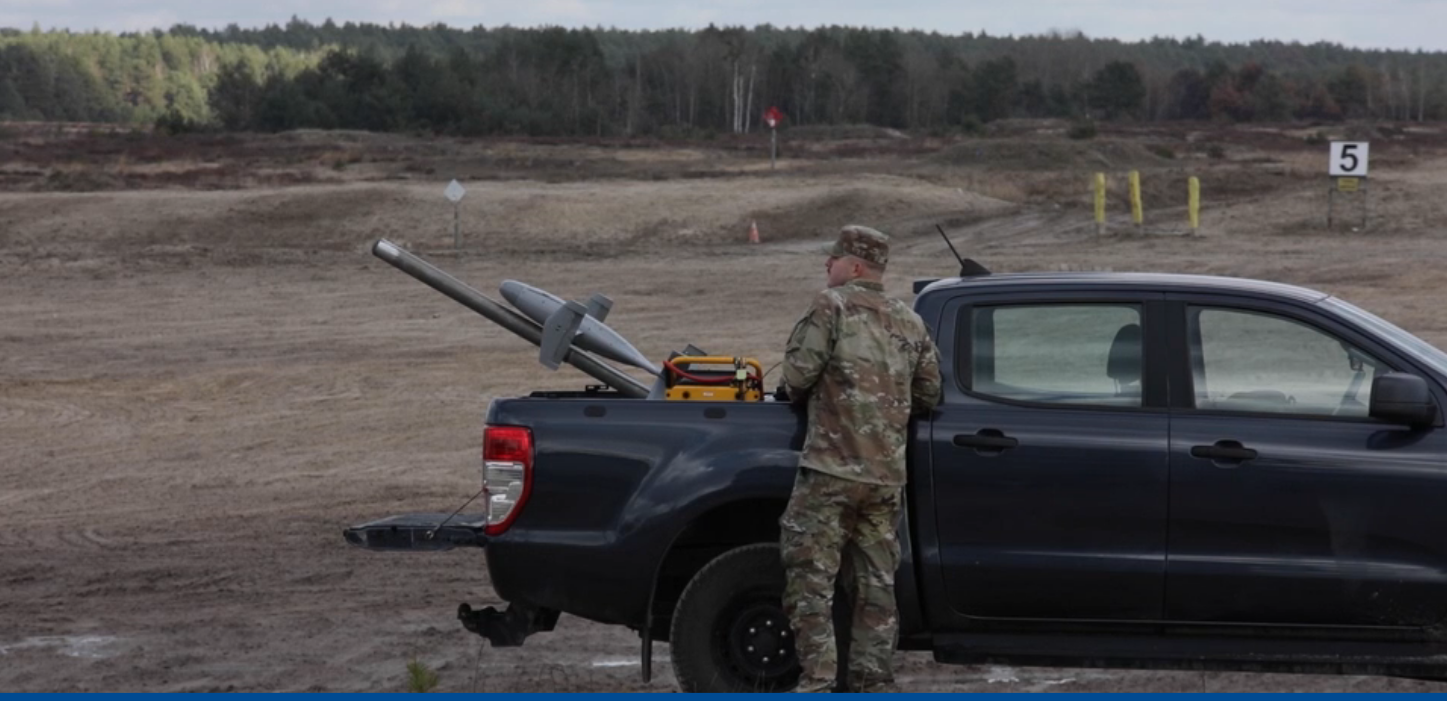
The push for self-organizing drones aligns with broader trends in defense spending, where cutting-edge technologies are prioritized to face asymmetric threats. These drones, capable of making real-time decisions and coordinating with one another without human intervention, promise to revolutionize aerial combat and surveillance. Currently, the military relies heavily on manned aircraft and conventional unmanned systems that, while effective, can be limited by their reliance on human operators. The move towards autonomous systems not only reduces operational risks but also significantly enhances response times in rapidly evolving combat situations.
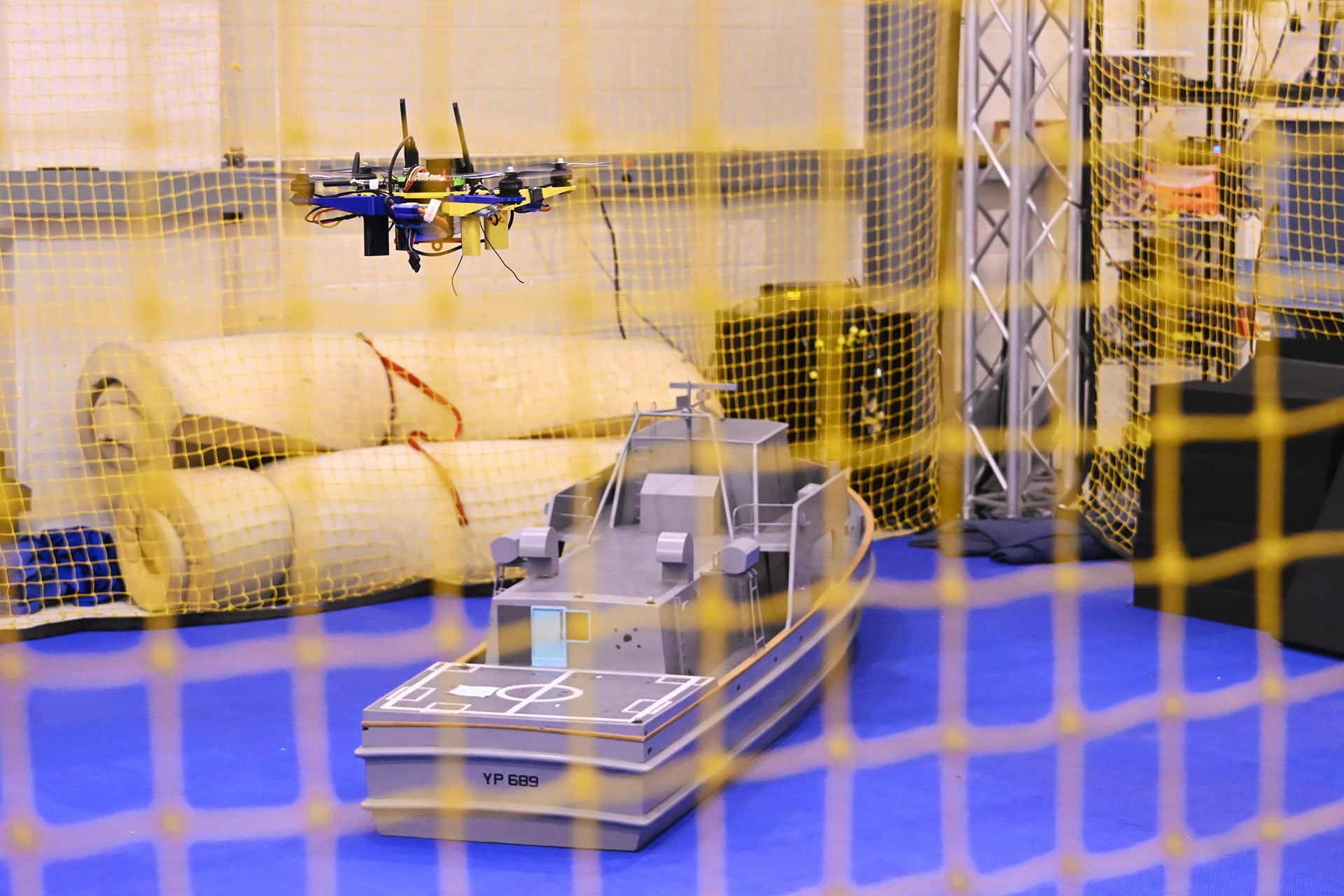
Moreover, the drive for smarter drones reflects a growing recognition of the importance of artificial intelligence and machine learning in modern warfare. By harnessing these technologies, the Pentagon aims to create a fleet of drones that can adapt to changing conditions on the battlefield, optimize their missions based on real-time data, and operate cohesively as part of a larger networked force. This approach not only increases operational efficacy but also sets the stage for a more integrated and agile military strategy, where drones can function as force multipliers in complex scenarios.
For builders and investors in the defense and aerospace sectors, this shift represents a significant opportunity. Companies that can develop and integrate advanced algorithms, sensor technologies, and communication systems into drone platforms stand to benefit immensely from government contracts and partnerships. As the Pentagon seeks to bolster its capabilities, the demand for innovative solutions will likely drive investment and collaboration across the industry. Furthermore, the push towards autonomous drones signifies a broader trend towards automation in defense, which could reshape supply chains, manufacturing processes, and operational frameworks across the sector.
As we look to the future, the implications of this initiative extend beyond mere technological advancements. The ethical and strategic considerations surrounding autonomous warfare will undoubtedly spark debate among policymakers and military strategists alike. How these technologies are deployed, and the level of human oversight required, will be critical questions as the defense community navigates this new frontier. Ultimately, the Pentagon's commitment to developing smarter, self-organizing drones could redefine the parameters of modern conflict, making it imperative for industry leaders to stay ahead of the curve in this rapidly evolving landscape.