Pentagon seeks additional funding as cost of Iran war tops $29 billion
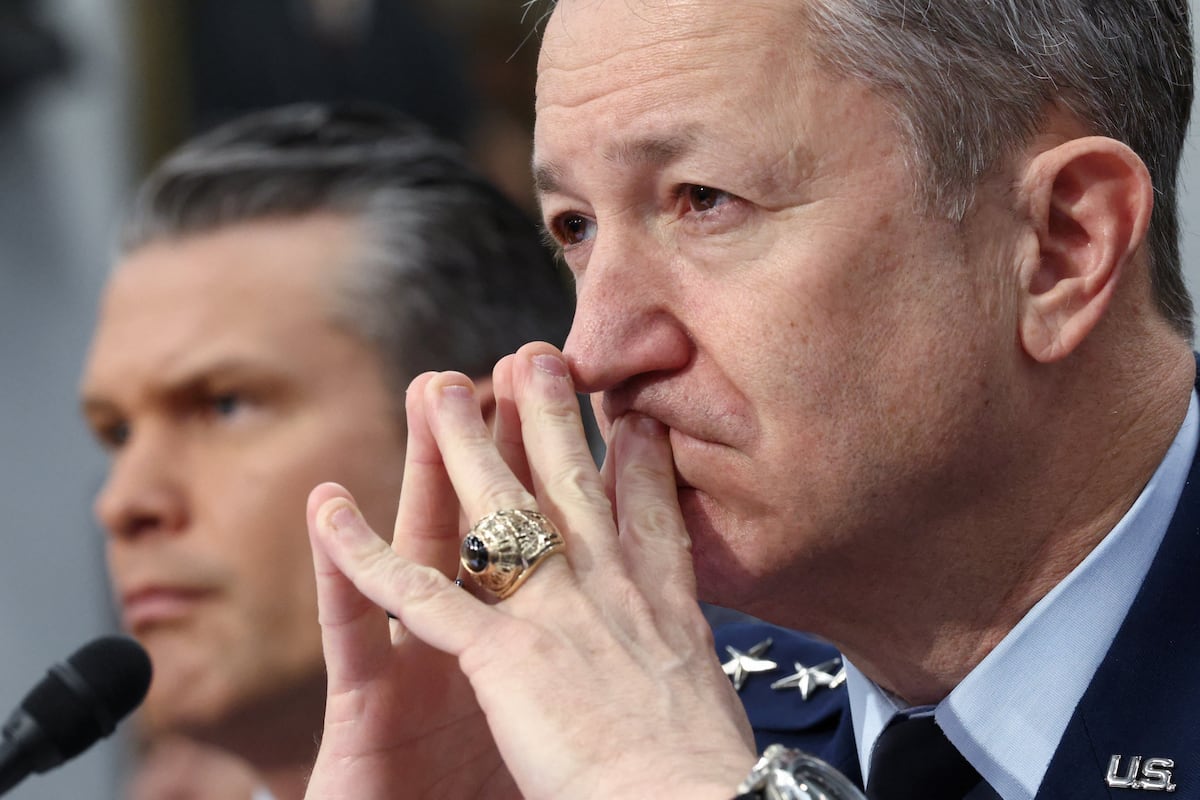
As the geopolitical landscape continues to evolve in the Middle East, the Pentagon has found itself faced with the pressing need for additional funding to support ongoing military operations in Iran. With the costs of the conflict surpassing a staggering $29 billion, this financial request from the Department of Defense not only underscores the escalating burden of military engagements but also raises significant questions about the future of U.S. defense spending and the implications for the defense industry as a whole.
The situation in Iran has been a focal point for U.S. foreign policy, and the current military expenditures reflect a broader strategy aimed at countering threats in the region. For builders and investors in the defense sector, this request for increased funding signals a potential influx of contracts for defense contractors, technology developers, and aerospace manufacturers. Companies that specialize in advanced military technologies, including drones, cyber capabilities, and missile defense systems, may find new opportunities as the Pentagon seeks to enhance its operational capabilities. However, this also introduces a degree of uncertainty regarding budget allocations and the prioritization of various defense initiatives.
Moreover, the cost of the Iran conflict highlights a critical discussion around resource allocation within the defense budget. The Pentagon's need for additional funding raises alarms about the sustainability of current military operations and the long-term implications for defense readiness. As the defense community observes these developments, there is a growing concern about how this financial strain might affect future investments in essential programs, such as modernization efforts and research and development in cutting-edge technologies. The ability to secure funding in a competitive political landscape will be paramount for the Pentagon, and defense contractors must closely monitor these shifts to align their strategies accordingly.
The implications extend beyond immediate funding needs; they also point to a deeper trend of increasing military expenditures amid geopolitical tensions. For the aerospace and defense sectors, which are reliant on government contracts, this situation could lead to a more robust defense budget in the coming years. However, it also invites scrutiny from policymakers and the public regarding the effectiveness and strategy of U.S. military interventions abroad. The balance between national security and fiscal responsibility will likely be a point of contention as Congress debates the Pentagon's funding request.
Looking ahead, the defense community must brace itself for the potential repercussions of this funding request. The need for increased financial support could lead to a redirection of focus towards more sustainable military engagement strategies, promoting innovation in defense technologies while acknowledging the fiscal realities of prolonged conflicts. As industry professionals navigate this complex landscape, the ability to adapt to changing defense priorities will be crucial in seizing opportunities that arise from these developments. The coming months will be pivotal in shaping the future of U.S. defense policy and its impact on the aerospace and technology sectors, making it essential for stakeholders to remain vigilant and proactive in their strategic planning.