Pentagon Plans Massive Spending, Research Boost for Munitions

As global tensions escalate and the landscape of modern warfare evolves, the Pentagon's decision to significantly ramp up spending and research on munitions comes at a critical juncture. With adversaries continuously advancing their capabilities, the U.S. military must ensure it can not only keep pace but also maintain a decisive edge. The emphasis on affordable mass production of munitions, particularly through initiatives like the Future Army Munition Manufacturing (FAMM) program, signals a recognition that the defense industrial base faces unprecedented challenges in meeting the demands of contemporary conflict.
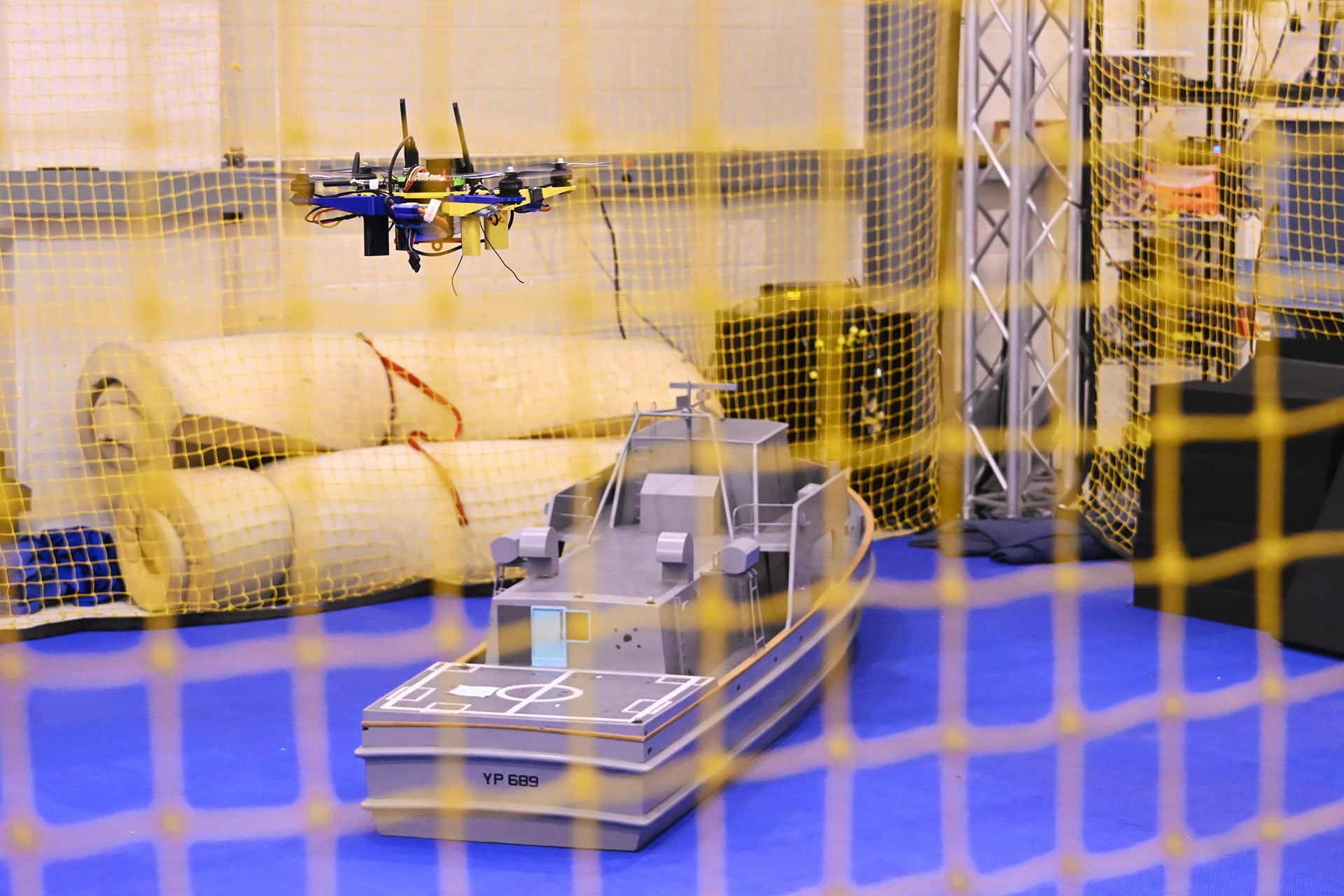
The current defense landscape is characterized by an urgent need for scalable production capabilities that can respond swiftly to emerging threats. The Pentagon's strategy highlights the importance of attritable drones and expendable systems, which are becoming increasingly relevant in a world where rapid deployment and cost-effectiveness are paramount. These systems offer a tactical advantage, allowing for a higher volume of engagements without the prohibitive costs associated with traditional high-end platforms. However, the successful implementation of such technologies hinges on a robust manufacturing surge capacity that can produce these munitions at scale and speed.
The FAMM program, in particular, represents a paradigm shift in how the military approaches munitions production. By focusing on affordability and scalability, the Pentagon aims to cultivate a more resilient supply chain that can withstand disruptions while also driving innovation within the defense industry. This initiative is not merely about increasing production numbers; it is about fostering an ecosystem that encourages collaboration between government entities and private sector manufacturers. The interplay between technology development and production capability is crucial, as it enables the military to adapt to the rapidly changing nature of warfare.
Moreover, the push for lower-cost defense systems is not just a reaction to budgetary constraints; it reflects a strategic recalibration in how the United States views its military readiness. As adversaries invest heavily in asymmetric warfare strategies, the U.S. must ensure its military arsenal can meet these threats head-on without sacrificing quality or efficacy. The emphasis on expendable munitions, which can be produced quickly and affordably, is a testament to this shift in thinking. The goal is to create a force that can engage in sustained operations without being overly reliant on a few high-value assets.
Looking ahead, the implications of this strategic focus on munitions production are profound. As the Pentagon advances its initiatives, the defense industrial base will need to adapt to a reality where speed and cost-efficiency are no longer ancillary considerations but central tenets of military strategy. This may spur further innovation in manufacturing technologies, such as additive manufacturing and automation, which can enhance production capabilities while reducing waste and costs. Ultimately, the success of these initiatives will determine not only the operational effectiveness of U.S. forces but also the broader stability of global security as adversaries are forced to recalibrate their strategies in response to an increasingly capable U.S. military.
In conclusion, the Pentagon's ambitious plans for munitions production reflect a necessary evolution in defense strategy, one that prioritizes affordability, scalability, and technological advancement. As the geopolitical climate continues to shift, the ability to produce effective and cost-efficient munitions will play a critical role in the United States' ability to project power and safeguard its interests. The commitment to enhancing the defense industrial base through initiatives like the FAMM program is a vital step toward ensuring that the U.S. remains at the forefront of military innovation and operational readiness.