
Northrop Grumman Receives Long-Lead Funding for 67 APG-85 Radars for F-35s
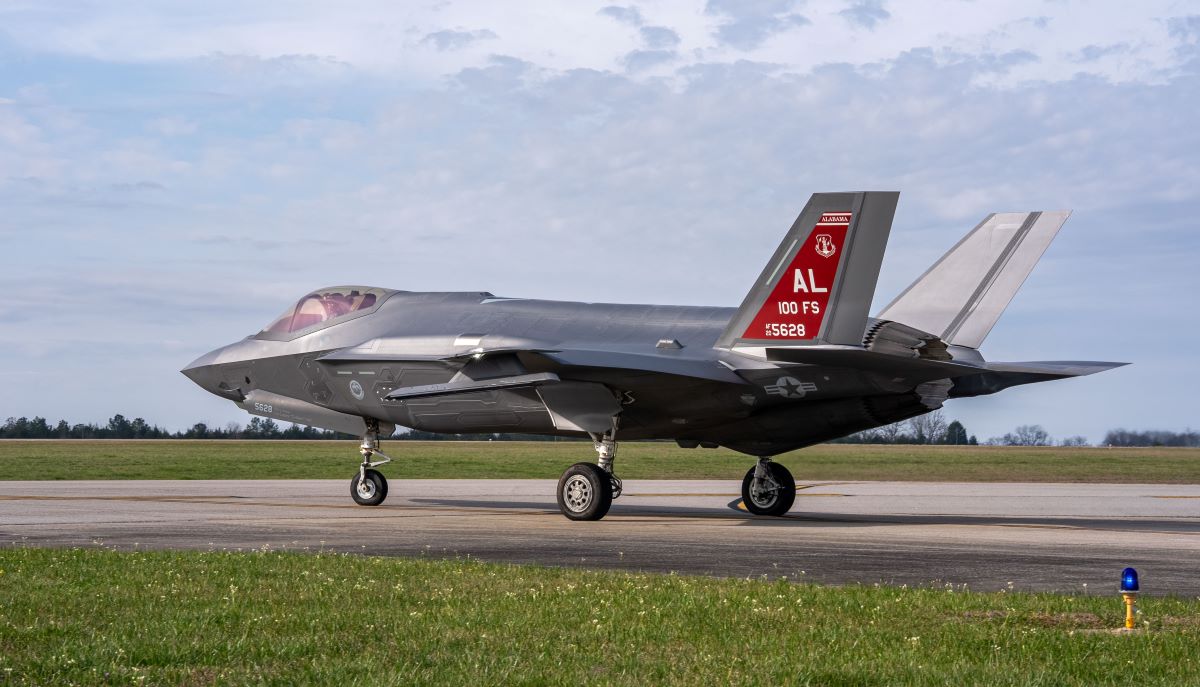
In a strategic move that underscores the ongoing evolution of military aviation capabilities, Northrop Grumman has secured long-lead funding for the production of 67 APG-85 radars intended for the F-35 Lightning II fighter jets. This significant development not only enhances the operational effectiveness of one of the most advanced multirole stealth fighters in the world but also highlights the ongoing commitment of the U.S. Department of Defense to modernize its aerial combat systems.
The APG-85 radar is a critical component of the F-35's advanced sensor suite, providing enhanced situational awareness and targeting capabilities. Designed to operate in contested environments, the radar features advanced electronic warfare capabilities and superior tracking performance, which are essential for the next-generation air dominance strategy. As militaries around the globe continue to adapt to rapidly changing threats, the integration of sophisticated radar technologies such as the APG-85 becomes paramount for ensuring air superiority.
The funding awarded to Northrop Grumman reflects a broader trend within the defense sector, where the demand for advanced technologies is driving investments in long-lead items that will enable faster production cycles. By prioritizing the development of critical components like the APG-85, the DoD is not only ensuring that the F-35 fleet remains competitive but also stimulating growth within the domestic defense industrial base. This long-term investment approach is crucial for maintaining the technological edge over adversaries, particularly as nations increasingly invest in their own advanced military capabilities.
Moreover, the decision to procure additional radars comes at a time when geopolitical tensions are escalating, particularly in regions where air combat capabilities are being tested. The F-35 program, with its advanced features and capabilities, serves as a deterrent against potential aggressors while providing allies with a cutting-edge tool for joint operations. As countries seek to forge stronger defense partnerships, the F-35 continues to emerge as a linchpin in international military cooperation, thereby reinforcing the importance of robust radar systems like the APG-85.
Looking ahead, the integration of the APG-85 into the F-35 fleet is expected to enhance the aircraft's operational flexibility and mission effectiveness significantly. As production ramps up, stakeholders across the defense and aerospace industries must remain vigilant to emerging challenges and opportunities presented by evolving technologies. The continued investment in advanced radar systems not only exemplifies the U.S. military's commitment to maintaining its technological superiority but also serves as a reminder of the critical role that innovation plays in shaping the future of military aviation.
Ultimately, the deployment of the APG-85 radars will not only bolster the capabilities of the F-35 but also set the stage for the next generation of aerial warfare, where advanced sensor technologies will be paramount in ensuring mission success and operational dominance. The defense community must prepare for these advancements, as they will undoubtedly reshape the landscape of military engagements for years to come.



