Neros’ $500 Million Army Deal Could Cover ‘Hundreds Of Thousands’ Of Archer FPV Drones
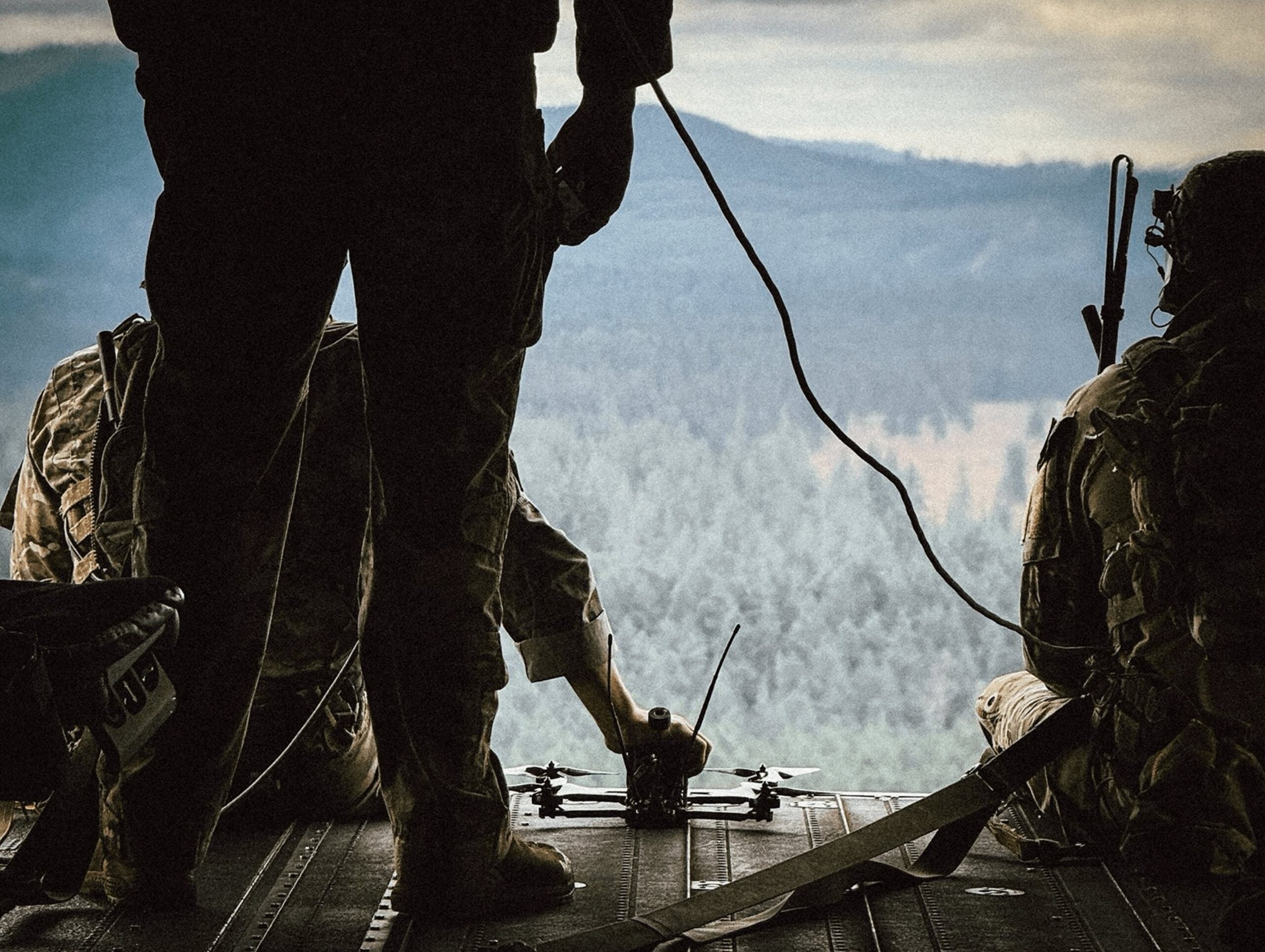
In a notable shift towards cost-effective drone technology, Neros has secured a staggering $500 million contract with the U.S. Army, potentially paving the way for the acquisition of ‘hundreds of thousands’ of Archer FPV drones. This announcement marks a significant milestone not just for Neros, but also for the broader defense and aerospace industry, which is increasingly leaning towards affordable and efficient unmanned systems to enhance operational capabilities across various military domains.
The Archer FPV drone is designed with cutting-edge technology that allows for enhanced reconnaissance, surveillance, and targeted strikes. Its adaptability and ease of deployment make it an attractive choice for the Army, particularly in an era where the need for rapid response and versatility in combat scenarios is paramount. Given the growing emphasis on asymmetrical warfare, such drones could provide critical advantages, enabling forces to engage enemies with precision while minimizing risks to personnel.
This deal is a reflection of the Army’s evolving approach to unmanned aerial systems (UAS), as it seeks to modernize its fleet and leverage innovative solutions that offer both affordability and operational effectiveness. Neros' focus on mass production aligns with the Army’s objective to deploy scalable drone solutions that can be rapidly integrated into existing military strategies. In a time of tightening budgets and increasing operational demands, such partnerships could redefine how military forces utilize drone technology on the battlefield.
Moreover, this development underscores the importance of public-private partnerships in advancing defense technology. As companies like Neros innovate and find pathways to deliver cost-effective solutions, they create opportunities for collaboration that can benefit both the military and the private sector. This symbiotic relationship not only fuels technological advancement but also stimulates economic growth, as defense contractors and technology firms work hand in hand to meet the evolving needs of national security.
Looking ahead, the implications of this contract extend beyond just the immediate procurement of drones. If successful, Neros could set a precedent for future military contracts, emphasizing the need for affordable options that do not compromise on quality or functionality. As the defense industry continues to navigate the challenges of modernization and budget constraints, the lessons learned from this initiative could shape future investments and technological innovations in unmanned systems. Ultimately, the Neros-Army partnership could serve as a harbinger of a new era in military operations, where affordability and technology converge to redefine what is possible in defense strategies.
In conclusion, Neros' $500 million deal represents not just a significant contract in itself but a pivotal moment for the integration of affordable drone technology in military applications. As the defense community watches closely, it will be intriguing to see how this initiative unfolds and influences future contracts and technological advancements in the years to come.