2 defense tech companies sue US Navy after losing out on MUSV program
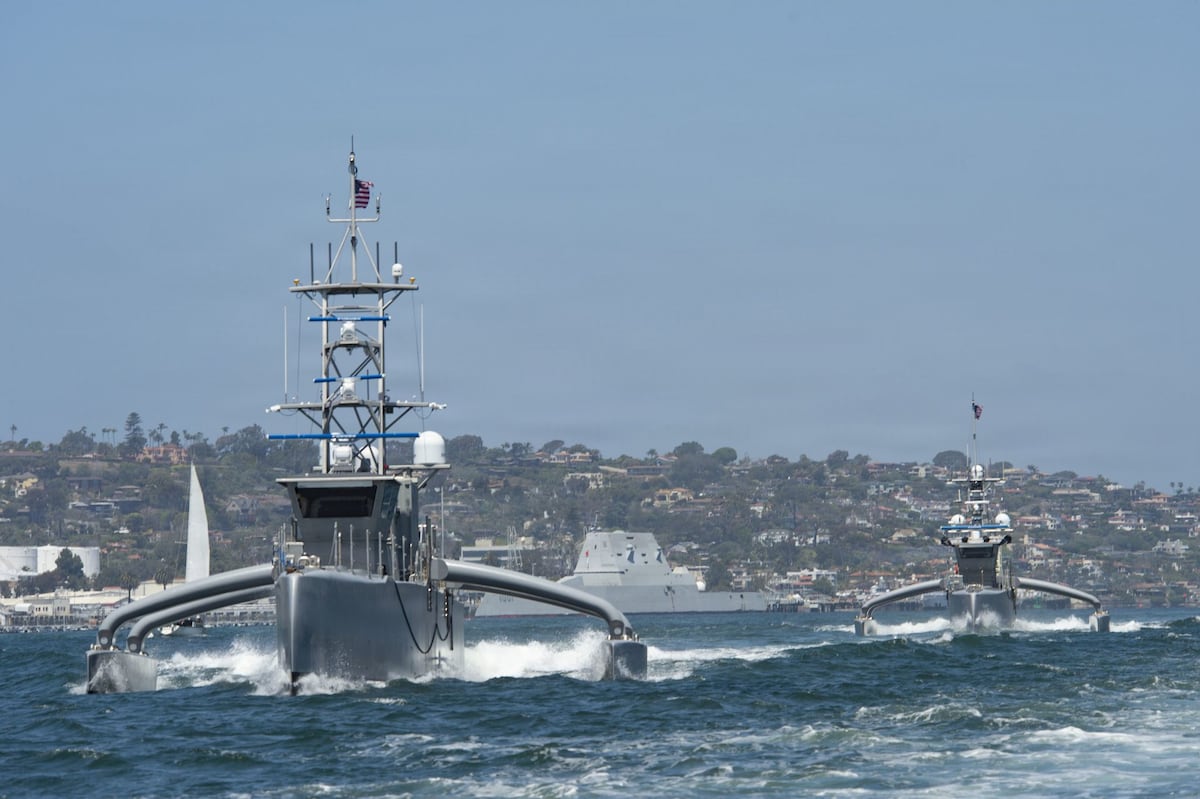
In a striking development that underscores the complexities of defense procurement, two prominent defense technology companies have initiated legal action against the U.S. Navy following their exclusion from the service's Medium Uncrewed Surface Vehicle (MUSV) program. This lawsuit not only highlights the competitive landscape of defense contracting but also raises important questions about transparency, accountability, and innovation within military acquisitions. As the Navy seeks to modernize its fleet with advanced unmanned systems, the stakes for both the companies involved and the broader defense industry are exceptionally high.
The MUSV program is envisioned as a key component of the Navy's strategy to enhance maritime operations through uncrewed technologies. By integrating these systems, the Navy aims to increase operational flexibility while addressing emerging threats in contested environments. However, the exclusion of these two companies, who argued that their proposals offered unique capabilities, suggests potential gaps in the Navy's evaluation process. Such legal challenges not only delay critical advancements in defense technology but also expose the vulnerabilities of a procurement system that must balance innovation with strategic needs.
The implications of this lawsuit extend far beyond the immediate concerns of the companies involved. It highlights a growing frustration among defense contractors regarding the Navy's acquisition strategies, especially when it comes to cutting-edge technologies. As the defense sector increasingly turns to uncrewed systems to enhance operational effectiveness, companies that feel sidelined may reconsider their investments in government contracts, impacting the overall health of the defense industrial base. This is particularly concerning in an era where technological superiority is paramount to national security.
Moreover, this situation raises questions about the Navy's commitment to fostering a competitive environment where diverse solutions can flourish. The defense industry thrives on innovation, and when companies believe their contributions are overlooked or undervalued, it can stifle creativity and deter participation from potential new entrants. Ensuring that all voices are heard in the procurement process is essential for maintaining a robust ecosystem that drives advancements in defense technology.
As this lawsuit unfolds, it will be critical for the Navy and other branches of the military to reflect on their procurement practices and consider the long-term consequences of their decisions. A transparent, fair, and competitive acquisition process not only benefits the companies involved but ultimately enhances the capabilities of the armed forces. The outcome of this case may serve as a precedent for future defense contracts, shaping how the military approaches modernization initiatives.
Looking ahead, the defense community must remain vigilant and engaged in these discussions, advocating for policies that promote innovation and inclusivity. The MUSV program represents just one facet of a larger push towards uncrewed systems in military operations, and how the Navy navigates this legal challenge could influence the direction of future programs. As the demand for sophisticated defense technologies continues to grow, the need for a procurement system that encourages competition and innovation has never been more critical.