Navy’s F/A-XX Down-Select Coming In August, CNO Says
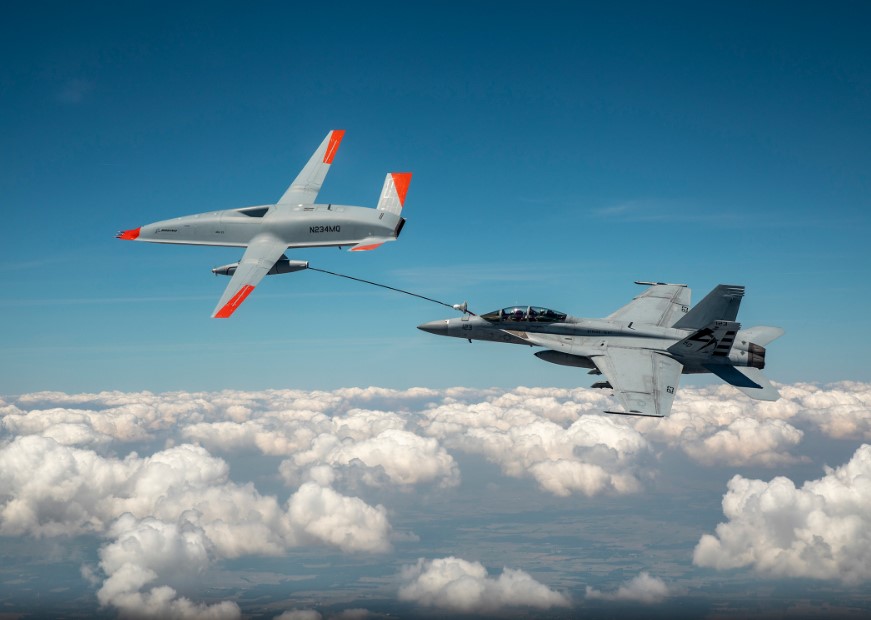
In a significant development for the U.S. Navy's next-generation air combat capabilities, Chief of Naval Operations (CNO) Admiral Michael Gilday announced that the down-select for the F/A-XX program is expected to occur this August. This decision marks a pivotal moment in the Navy's strategic planning, as it will determine the direction of future investments in advanced strike fighter technologies. As the Navy seeks to modernize its fleet and meet evolving threats, the F/A-XX program represents a crucial step toward maintaining air superiority in increasingly contested environments.
The F/A-XX program is designed to replace the aging F/A-18 Hornet fleet, which has been a workhorse for the Navy since the 1980s. The new platform aims to incorporate cutting-edge technologies, including enhanced stealth, advanced sensor suites, and unmanned capabilities, to ensure that U.S. forces can effectively counter adversaries' advancements in aerial warfare. As tensions rise in global hotspots, the urgency of developing a next-generation fighter is underscored by the need for a versatile and formidable aircraft that can operate seamlessly within a joint all-domain operational framework.
Investors and defense industry professionals should pay close attention to the F/A-XX down-select process, as it could herald a shift in funding and priorities within the defense budget. With the Pentagon's focus on integrating artificial intelligence and other modern technologies into military systems, the chosen contractor(s) for the F/A-XX will likely be at the forefront of this technological transformation. The implications of this decision extend beyond the aircraft itself; it could set the stage for the future of naval aviation and influence the broader defense landscape for years to come.
Moreover, the F/A-XX represents more than just a new aircraft; it embodies a strategic response to the changing nature of warfare. The emphasis on multi-domain operations and the integration of unmanned systems into the battlespace are critical factors that will shape the design and capabilities of the F/A-XX. As industry leaders vie for contracts, they will need to demonstrate not only technological prowess but also an understanding of the operational challenges that lie ahead. This means that the eventual selection will hinge on the ability to deliver a platform that is not only advanced but also adaptable to the rapidly changing dynamics of modern warfare.
Looking forward, the August down-select will serve as a litmus test for the defense industry's readiness to embrace innovation while meeting the Navy's operational requirements. As the world watches how this decision unfolds, it will offer insights into the future trajectory of U.S. naval aviation and the broader defense community's efforts to integrate next-generation capabilities. The stakes are high, and the implications of this choice will resonate throughout the defense sector, influencing investments, partnerships, and technological advancements for years to come.