
Navy to purchase 30 MUSVs following at-sea testing
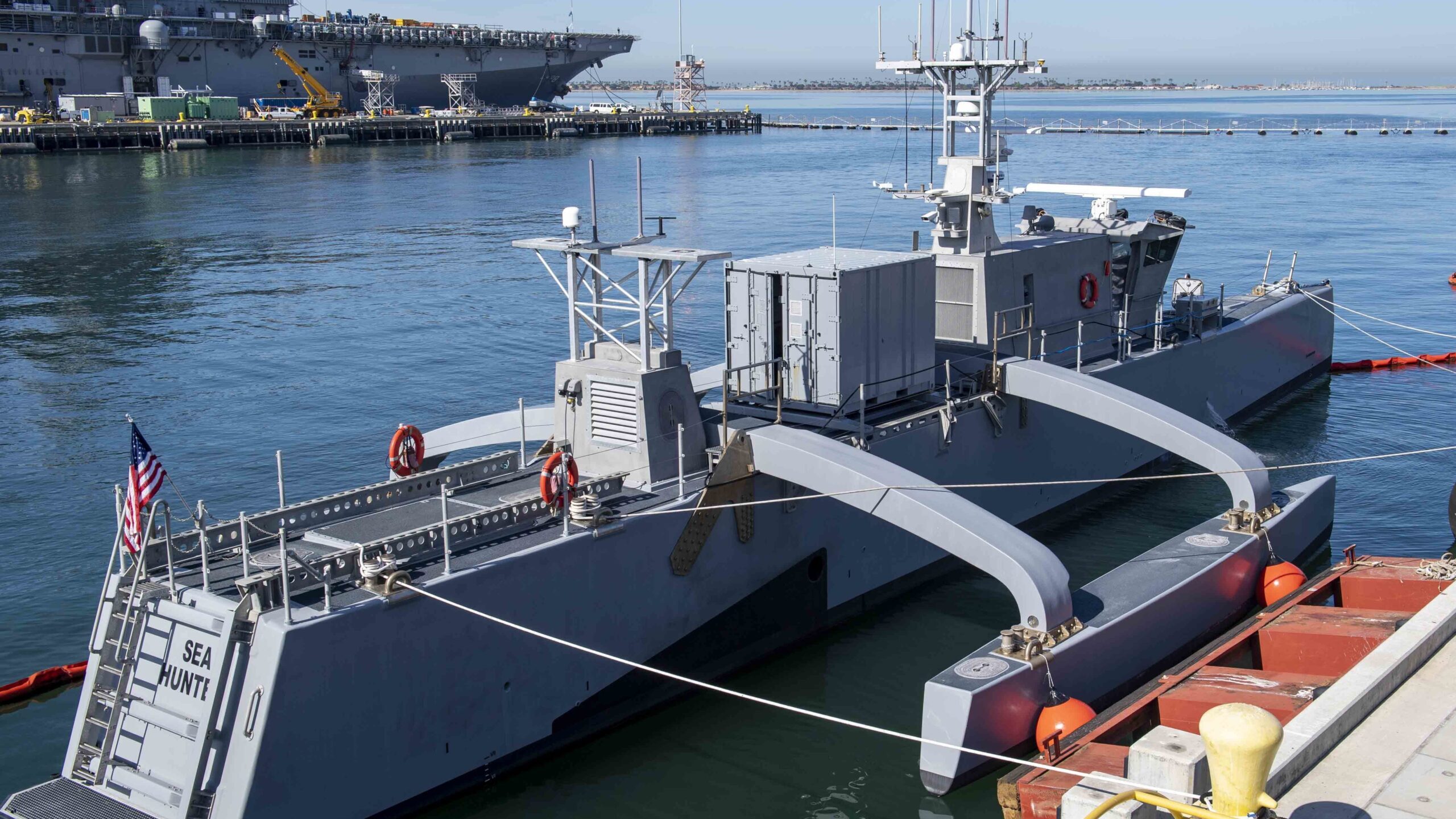
The United States Navy's recent decision to procure 30 Medium Uncrewed Surface Vessels (MUSVs) marks a significant milestone in the evolution of naval warfare and maritime operations. Following extensive at-sea testing, this acquisition underscores the Navy's commitment to integrating advanced technologies into its fleet, enhancing operational capabilities while addressing emerging threats in contested waters. The move is not just a step toward modernization; it is a strategic pivot towards unmanned systems that promise to redefine how naval operations are conducted in the 21st century.
The MUSV is poised to serve a variety of roles, from intelligence, surveillance, and reconnaissance (ISR) missions to direct support for manned vessels. This versatility is particularly crucial as global maritime security becomes increasingly complex, with rising tensions in key regions. By deploying these uncrewed vessels, the Navy can extend its operational reach without risking crewed assets, thereby maintaining a tactical advantage. Moreover, the MUSV program aligns with the broader Department of Defense initiative to leverage artificial intelligence and autonomous technologies, reflecting a clear recognition of their potential to transform military effectiveness.
The decision to invest in 30 MUSVs comes amidst a backdrop of rapid advancements in unmanned technologies across the defense sector. The successful at-sea tests have validated the operational capabilities of these vessels, demonstrating their robustness and adaptability in various maritime environments. For builders and investors in the defense and aerospace sectors, this announcement could signal a surge in demand for related technologies, components, and systems that support unmanned operations. Companies involved in the development of autonomous systems, robotics, and advanced communication technologies stand to benefit from the Navy’s shift towards uncrewed platforms.
Furthermore, the Navy's acquisition strategy emphasizes a collaborative approach, engaging industry partners in the development and enhancement of these systems. This not only fosters innovation but also helps to create a sustainable ecosystem of suppliers and manufacturers capable of supporting the growing demand for unmanned platforms. As the defense community shifts its focus towards more cost-effective and efficient solutions, the collaboration between the Navy and industry stakeholders is likely to yield advancements that further enhance operational capabilities.
Looking ahead, the successful deployment of MUSVs could set a precedent for future naval procurements and operational strategies. The integration of these vessels into the Navy's fleet could catalyze a broader acceptance of unmanned technologies across various military branches, potentially reshaping the landscape of military operations. As the defense industry continues to innovate, the emphasis on uncrewed platforms may not only redefine naval warfare but could also influence joint operations and inter-service collaboration, paving the way for a new era of military readiness and resilience.
In conclusion, the Navy's purchase of 30 MUSVs is a pivotal moment that reflects broader trends in defense procurement and operational strategy. As this initiative unfolds, it will be critical for builders, investors, and defense professionals to stay attuned to the developments in unmanned technology and the implications for the future of military operations.



