
Navy Establishes New Robotic And Autonomous Warfighting Development Center
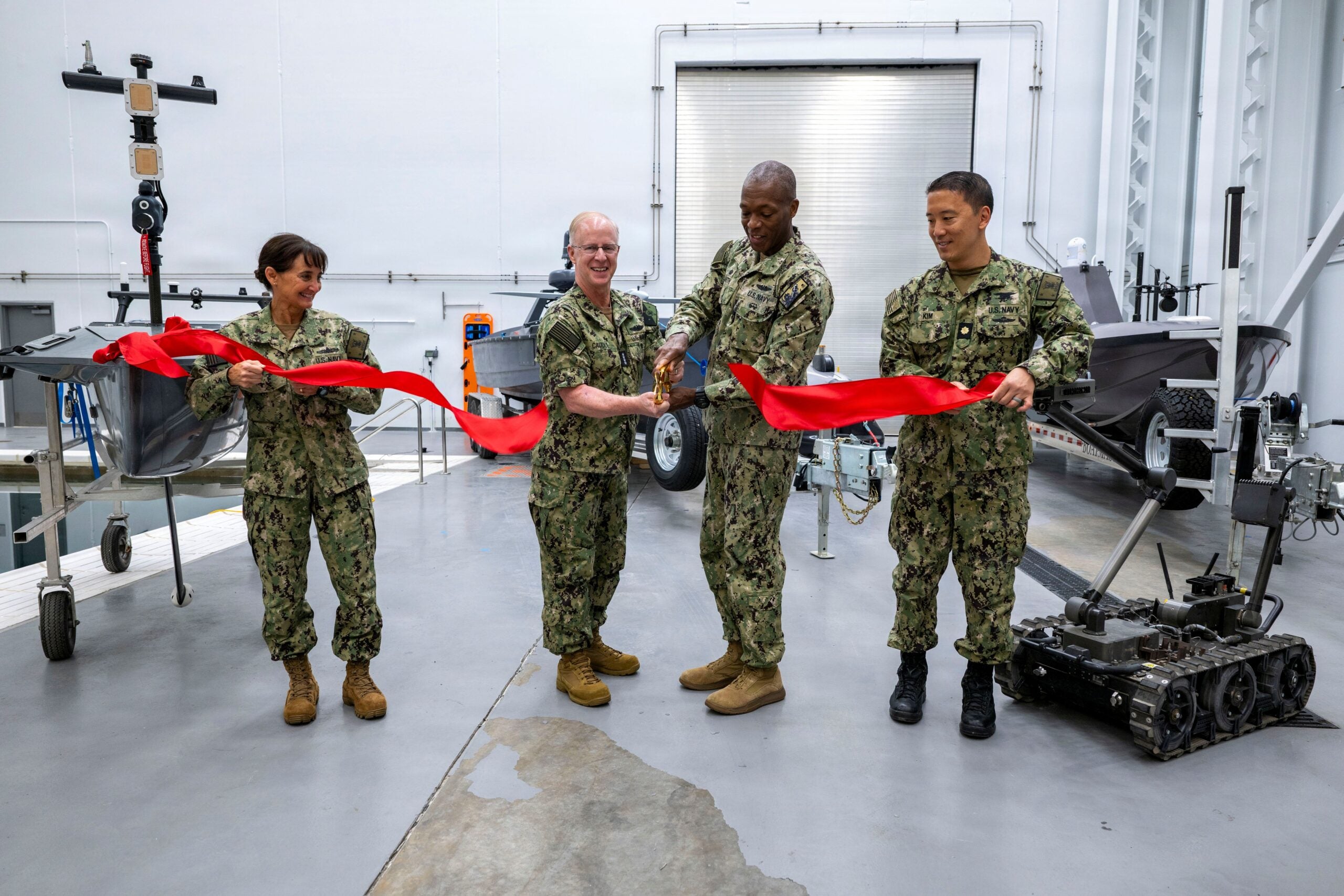
In a significant stride towards modernizing its warfighting capabilities, the United States Navy has established a new Robotic and Autonomous Warfighting Development Center (RAWDC). This initiative signals a pivotal shift in defense strategy, aiming to leverage emerging technologies to enhance operational effectiveness, reduce risk to personnel, and maintain a competitive edge in the evolving landscape of warfare. As global threats become increasingly complex, the integration of robotics and autonomy into naval operations represents not just an evolution but a necessary revolution in military capability.
The establishment of the RAWDC is a response to the growing recognition of the vital role that unmanned systems and artificial intelligence play in modern combat scenarios. With advancements in machine learning, sensor technology, and robotics, the Navy seeks to harness these innovations to develop a new generation of autonomous systems capable of performing a variety of functions, from reconnaissance to combat support. This development center will focus on research, prototyping, and the testing of these technologies, ensuring that the Navy can adapt swiftly to the challenges posed by adversaries who are also investing heavily in similar capabilities.
For builders and investors in the defense sector, the RAWDC represents a fertile ground for collaboration and innovation. The center is expected to foster partnerships with private-sector firms, startups, and academic institutions, creating opportunities for the commercialization of cutting-edge technologies. As the Navy seeks to integrate autonomous platforms into its fleet, there will be an increased demand for advanced systems that can operate alongside human operators, enhancing decision-making and operational efficiency.
Moreover, the establishment of the RAWDC aligns with broader trends in defense spending and military strategy. The U.S. Department of Defense has been prioritizing modernization and technological superiority in its budget allocations, reflecting a strategic pivot towards deterrence in an era characterized by great power competition. By investing in robotic and autonomous systems, the Navy aims to not only improve its own capabilities but also to ensure interoperability with allied forces, fostering a collective security environment that is increasingly reliant on advanced technologies.
As we look to the future, the RAWDC will likely play a crucial role in shaping the next generation of naval warfare. The integration of autonomous systems could fundamentally change the way naval operations are conducted, reducing the risks to human life while enhancing mission effectiveness. However, the success of this initiative will depend on rigorous testing, ethical considerations surrounding autonomous decision-making, and the ability to integrate these technologies seamlessly into existing operational frameworks. The defense and aerospace communities must remain engaged and proactive in addressing these challenges to fully realize the potential of robotic and autonomous systems in modern warfare.
In conclusion, the Navy's establishment of the RAWDC is not just an investment in technology; it is a commitment to reshaping the future of naval operations. As this center develops and refines new capabilities, it will be imperative for stakeholders across the defense ecosystem to stay informed and involved, ensuring that they can contribute to and benefit from this exciting new frontier in military innovation.



