Navy Establishes Five More PAEs As Key Part Of Acquisition Reform
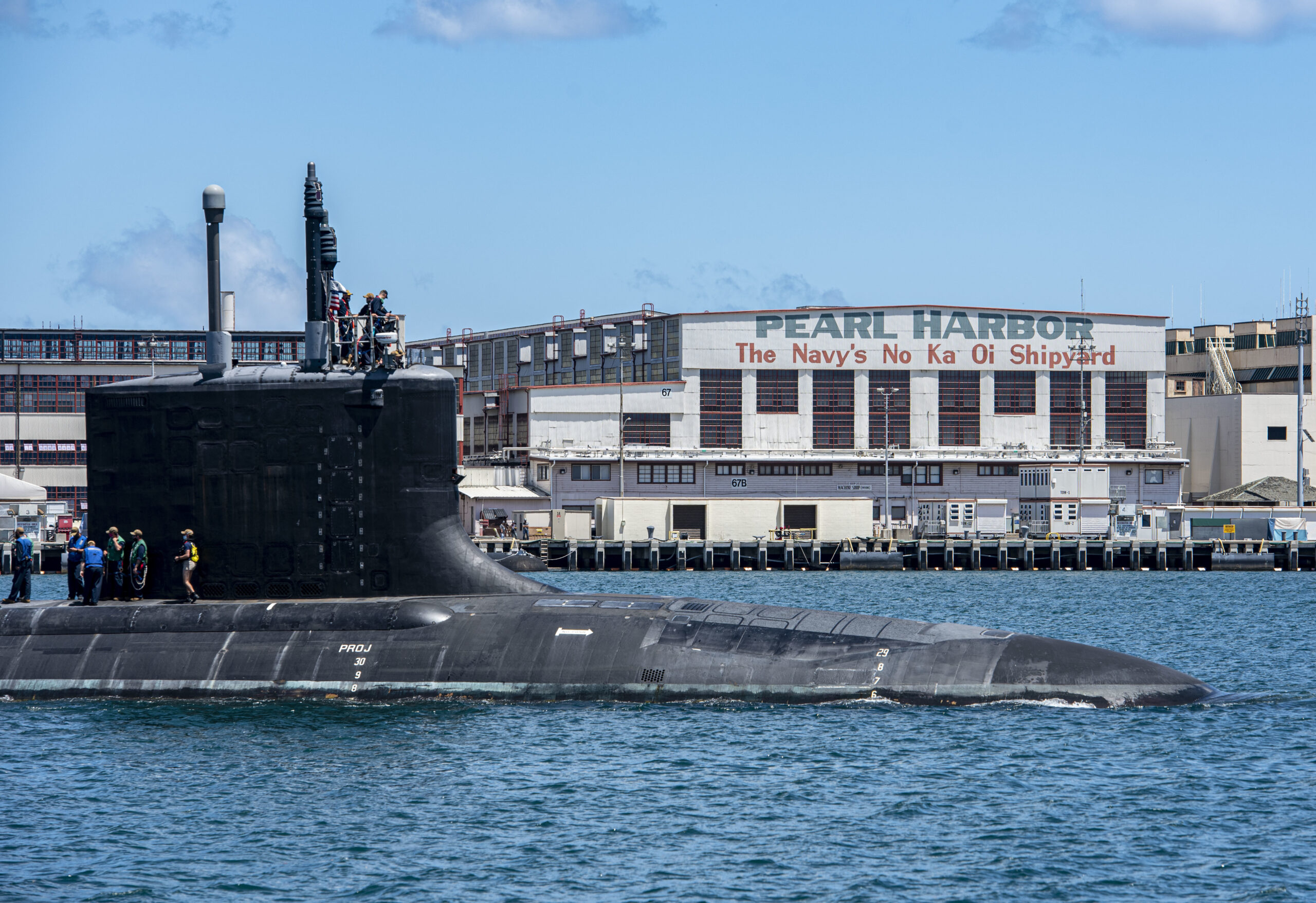
In a significant move aimed at enhancing the efficiency and effectiveness of military procurement, the U.S. Navy has announced the establishment of five additional Program Acquisition Executives (PAEs). This initiative is part of a broader strategy to reform the acquisition process within the Department of Defense (DoD), reflecting an ongoing commitment to streamline operations and adapt to the rapidly evolving landscape of defense technology. As the Navy strives to modernize its capabilities and maintain its competitive edge, the role of PAEs becomes increasingly critical in overseeing the life cycles of major defense programs.
The introduction of these PAEs is more than just an organizational change; it represents a fundamental shift in how the Navy approaches its procurement processes. By decentralizing authority and empowering these executives, the Navy aims to foster a more agile environment that can respond swiftly to the demands of modern warfare. Each PAE will have the responsibility to manage specific acquisition programs, allowing for a more tailored approach to procurement that can address the unique challenges and opportunities presented by new technologies. This decentralized model is crucial in an era characterized by rapid advancements in defense systems and the need for quick adaptation to emerging threats.
For builders, investors, and professionals in the defense, aerospace, and technology sectors, the establishment of additional PAEs signals an opportunity for increased collaboration and engagement with the Navy. Greater oversight and streamlined processes can lead to faster procurement cycles, opening doors for innovative companies to participate in the defense sector. As the Navy implements these reforms, there is potential for increased investment in research and development, particularly in areas such as artificial intelligence, cybersecurity, and advanced manufacturing technologies. This aligns with the broader trend of integrating cutting-edge technologies into military operations, a move that not only enhances national security but also drives economic growth within the defense industrial base.
Moreover, the establishment of PAEs underscores the Navy's acknowledgment of the intricate relationship between policy reform and technological advancement. As defense contractors and tech innovators align their strategies with the Navy's procurement goals, they will need to consider how best to position their offerings in light of these changes. The focus on efficiency may also lead to a reevaluation of traditional contracting practices, encouraging more flexible and innovative solutions from industry partners. In this context, the emphasis on collaboration between the Navy and private sector could pave the way for groundbreaking advancements that enhance operational readiness and combat effectiveness.
Looking ahead, the Navy's decision to expand its cadre of PAEs is a promising step toward a more responsive and efficient acquisition process. As these executives take the helm of critical programs, the ripple effects are likely to be felt across the defense landscape, encouraging a culture of innovation and adaptability. For stakeholders in the defense, aerospace, and technology communities, staying attuned to these developments will be essential, as they may signal the emergence of new opportunities and partnerships that will define the future of military procurement and defense capabilities.