Navy Changes MUSV Plans Again, Cancelling MASC And Switches To Marketplace Family Of Systems Approach
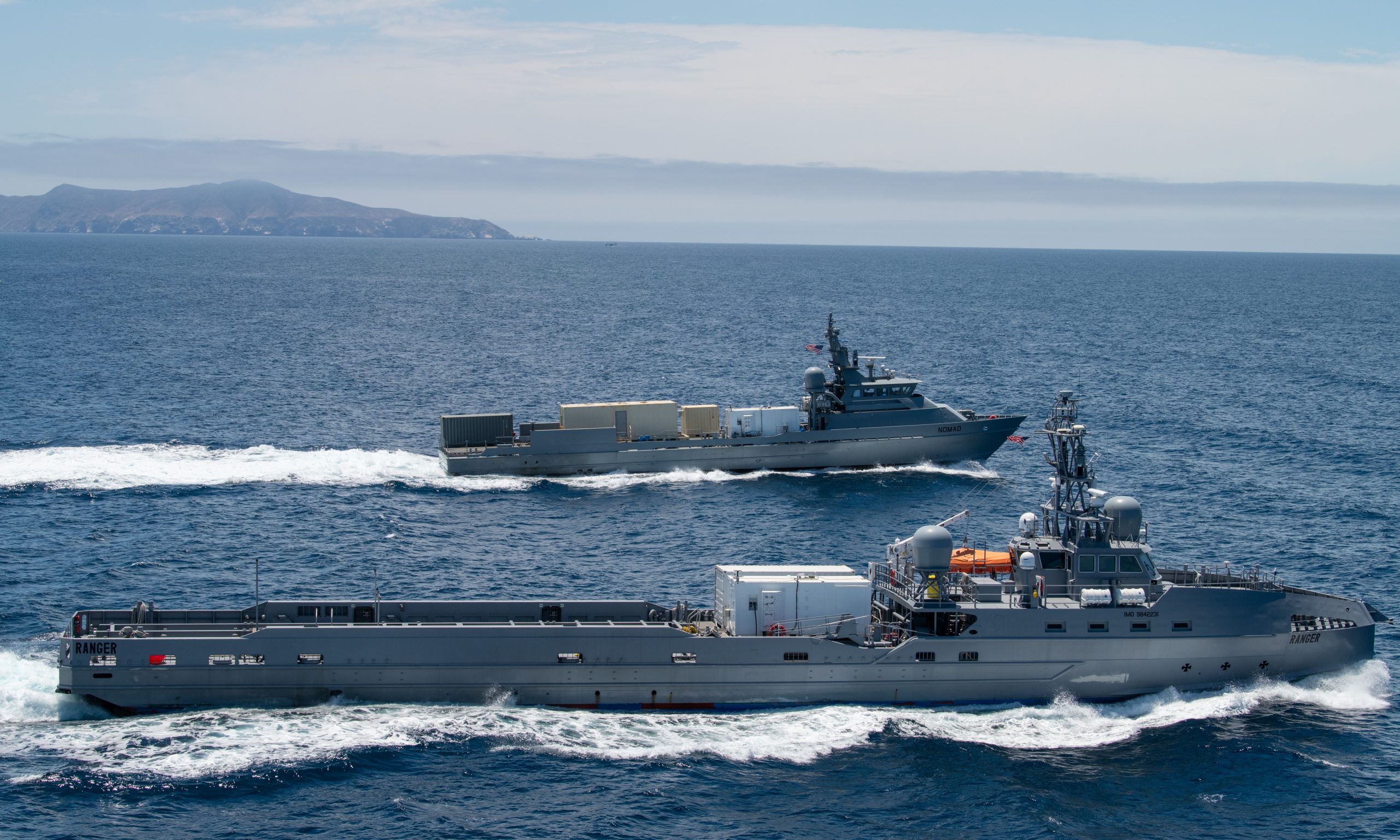
In a significant shift that underscores the Navy's evolving operational strategy, the U.S. Navy has decided to cancel its Maritime Autonomous Surface Craft (MASC) program, redirecting its focus toward a comprehensive Marketplace Family of Systems approach for the Medium Unmanned Surface Vehicle (MUSV) initiative. This decision marks yet another chapter in the Navy's ongoing quest to enhance its capabilities through unmanned technologies, revealing both the challenges inherent in developing these systems and the necessity for flexibility in defense planning.
The MASC program was initially envisioned to create a versatile, unmanned platform capable of performing various missions. However, as the Navy continues to adapt to the rapidly changing landscape of maritime warfare, it has become clear that a more integrated approach is necessary. By pivoting towards a Marketplace Family of Systems, the Navy aims to foster a more modular and interoperable framework that can accommodate a variety of unmanned systems, thus aligning with broader defense objectives that emphasize adaptability and resilience.
This shift in strategy is particularly relevant in the context of increased geopolitical tensions and the rapid advancement of technology in the defense sector. The challenges posed by adversaries employing sophisticated asymmetric warfare tactics necessitate a rethinking of how naval forces can leverage unmanned systems. The Marketplace Family of Systems approach potentially allows for the integration of diverse unmanned platforms, providing the Navy with a robust toolkit capable of addressing a wide range of operational scenarios.
For builders and investors in the defense and aerospace sectors, this strategic pivot presents both opportunities and challenges. Companies involved in the design and manufacturing of unmanned systems may need to recalibrate their offerings to align with the Navy's new direction. The emphasis on modular systems could lead to increased demand for innovative technologies that can be seamlessly integrated into existing platforms, fostering a new wave of development in the industry. Furthermore, this approach could stimulate collaboration between traditional defense contractors and emerging startups, driving forward the pace of technological advancement.
Moreover, the cancellation of MASC highlights the critical importance of responsiveness in defense policy and procurement. As lessons are gleaned from ongoing and emerging conflicts, the ability to pivot quickly in response to real-world challenges is paramount. This adaptability not only ensures that the U.S. Navy remains a step ahead of potential adversaries but also reinforces the importance of agile development cycles in the defense sector, where technological superiority can dictate the outcome of engagements.
Looking ahead, the Navy's decision to embrace the Marketplace Family of Systems approach could serve as a blueprint for future defense initiatives across various branches. As the military continues to explore the integration of advanced technologies, including artificial intelligence and autonomous systems, the lessons learned from this shift will likely influence procurement strategies and operational frameworks for years to come. The commitment to modularity and interoperability may redefine how the U.S. military approaches unmanned systems, ultimately shaping the future of naval warfare and defense strategies on a global scale.