Navy Awards Raytheon $22.9 Billion Tomahawk Contract To Bolster Long-Term Production
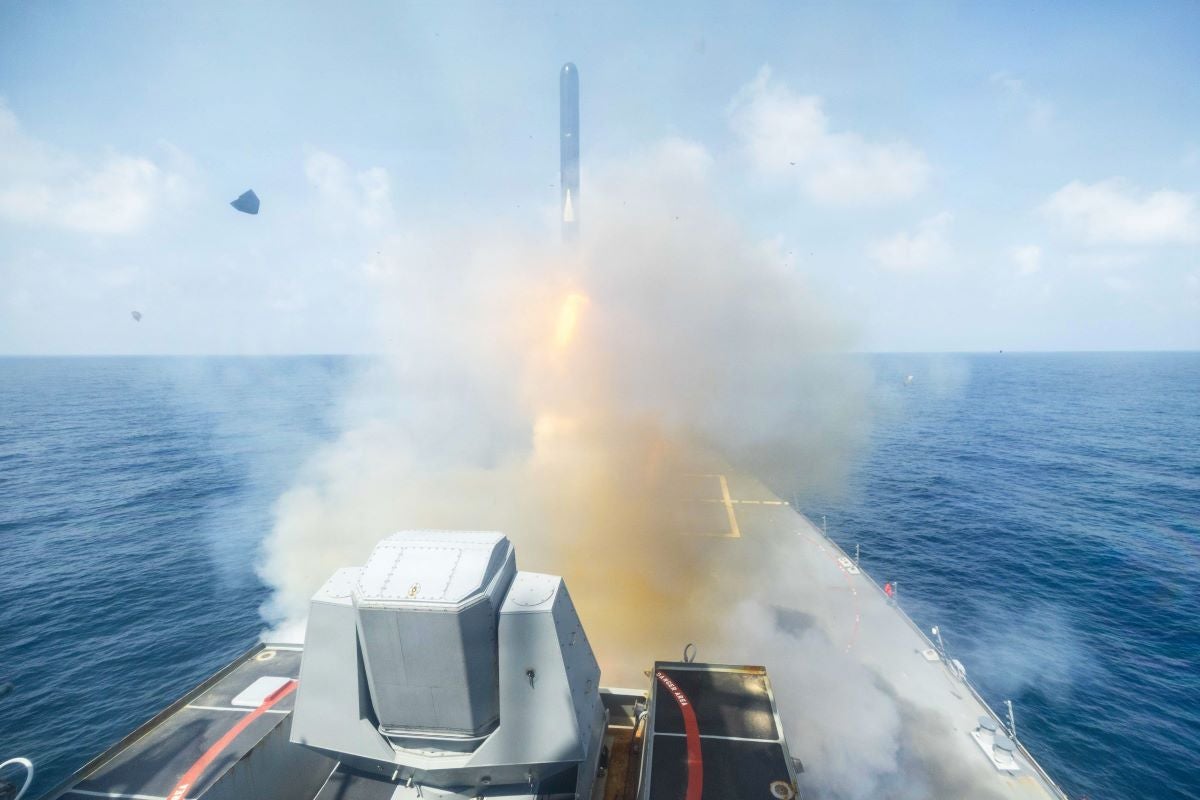
In a significant move that underscores the United States' commitment to maintaining its military edge, the U.S. Navy has awarded Raytheon a substantial contract worth $22.9 billion to enhance the production capabilities of the Tomahawk cruise missile. This landmark decision not only reflects the increasing reliance on advanced missile systems in modern warfare but also highlights the essential role that defense contractors play in ensuring national security. As global tensions rise and geopolitical landscapes shift, the focus on long-term production and modernization of key military assets becomes paramount.
The Tomahawk missile, known for its precision and versatility, has been a cornerstone of the U.S. Navy's strike capability since its introduction. With its ability to engage land and maritime targets from significant distances, the Tomahawk has proven itself in various conflicts and is integral to the Navy's strategic deterrence posture. The new contract is expected to bolster production rates and ensure that the U.S. military remains equipped with cutting-edge technologies to counter emerging threats.
This contract comes at a time when defense budgets are under scrutiny, and the need for efficient allocation of resources has never been more pressing. The injection of nearly $23 billion into the Tomahawk program not only ensures the continued development of this crucial weapon system but also signals a broader trend toward prioritizing advanced munitions in the defense spending strategy. Such investments are pivotal for maintaining technological superiority, particularly as adversaries invest heavily in their own military capabilities.
Moreover, the contract with Raytheon brings into focus the importance of collaboration between the government and private sector in the defense industry. By partnering with top-tier defense contractors, the Navy can leverage innovative technologies and manufacturing practices that enhance production efficiency and product quality. This synergy is crucial as the military seeks to outpace rivals who are increasingly adopting advanced technologies and asymmetric warfare strategies.
As we look to the future, the implications of this contract extend beyond just the Tomahawk missile. It represents a strategic pivot toward modernization that could influence other defense programs and initiatives. With the Pentagon's focus shifting toward readiness and resilience, the lessons learned from the production of the Tomahawk could inform the development of next-generation systems, ensuring that the U.S. maintains its competitive edge in a rapidly evolving defense landscape.
In conclusion, the $22.9 billion contract awarded to Raytheon for the Tomahawk missile program is a testament to the U.S. Navy's commitment to modernization and strategic deterrence. As defense professionals, investors, and builders in the aerospace and technology sectors, it is crucial to recognize the long-term implications of such investments. The future of defense will depend on our ability to adapt, innovate, and collaborate, ensuring that we are equipped to face the challenges of tomorrow.