
Navy Awards Contracts To Three MUSV Phase One Trials Winners, Others Continue To Phase 2
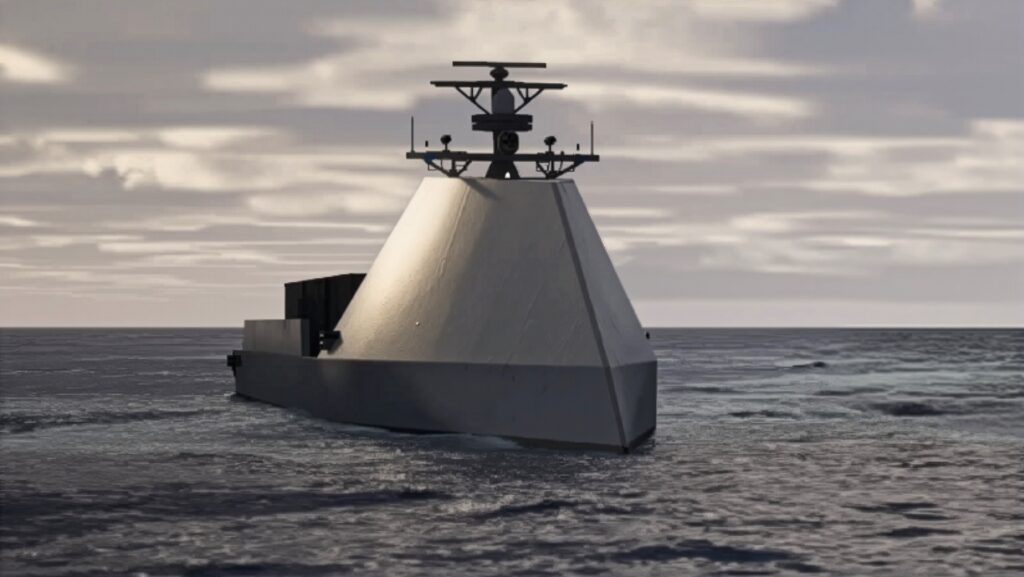
In a significant advancement for maritime defense technology, the U.S. Navy has awarded contracts to three companies—Gulf Coast Shipyard Group, Huntington Ingalls Industries (HII), and Saronic—following the successful completion of Phase One trials for the Medium Unmanned Surface Vehicle (MUSV) program. These contracts mark a pivotal step in the Navy's ongoing efforts to integrate unmanned systems into its operational framework, a move that promises to reshape naval warfare and enhance operational efficiency.
The MUSV program is part of a broader initiative to develop innovative unmanned platforms that can operate autonomously or semi-autonomously, thus augmenting the capabilities of manned vessels. The Navy's commitment to this technology underscores a strategic pivot towards automation, aiming to address evolving threats in maritime environments. By investing in these advanced platforms, the Navy not only seeks to enhance its operational reach but also to reduce risk to personnel in contested waters, an increasingly significant concern in modern military engagements.
The successful award of contracts to Gulf Coast Shipyard Group, HII, and Saronic is indicative of the competitive landscape surrounding the MUSV program. Each of these companies brings unique strengths to the table; for instance, HII has a robust history in shipbuilding and defense technologies, while Saronic's expertise in autonomous systems positions it well for future developments. The decision to allow other participants to proceed to Phase 2 trials reflects the Navy's commitment to fostering innovation and ensuring that a diverse array of solutions is explored before final selections are made.
This new phase of the MUSV program not only emphasizes the importance of collaboration between the government and private sector but also highlights the role of technology in enhancing operational capabilities. As unmanned systems become increasingly sophisticated, industry stakeholders must remain vigilant in their research and development efforts, ensuring that they are prepared to meet the Navy's evolving requirements. The emphasis on unmanned vehicles is particularly relevant as defense budgets increasingly prioritize systems that can operate effectively in high-risk environments while minimizing human exposure.
Looking ahead, the emphasis on unmanned systems like the MUSV could catalyze broader changes across the defense landscape. As these technologies mature, we can expect an uptick in investment and interest from both traditional defense contractors and innovative startups. The successful integration of these systems into the Navy’s fleet will not only enhance maritime security but may also inspire similar initiatives in allied naval forces, potentially reshaping global naval strategies.
In conclusion, the Navy's Phase One contract awards signify more than just a procedural milestone; they represent a strategic investment in the future of naval warfare. As the defense community closely monitors the progress of the MUSV program, the implications of these advancements will reverberate throughout the industry, influencing design, strategy, and investment decisions in the years to come.



