
Navy Awards Boeing First MQ-25 Production Contract
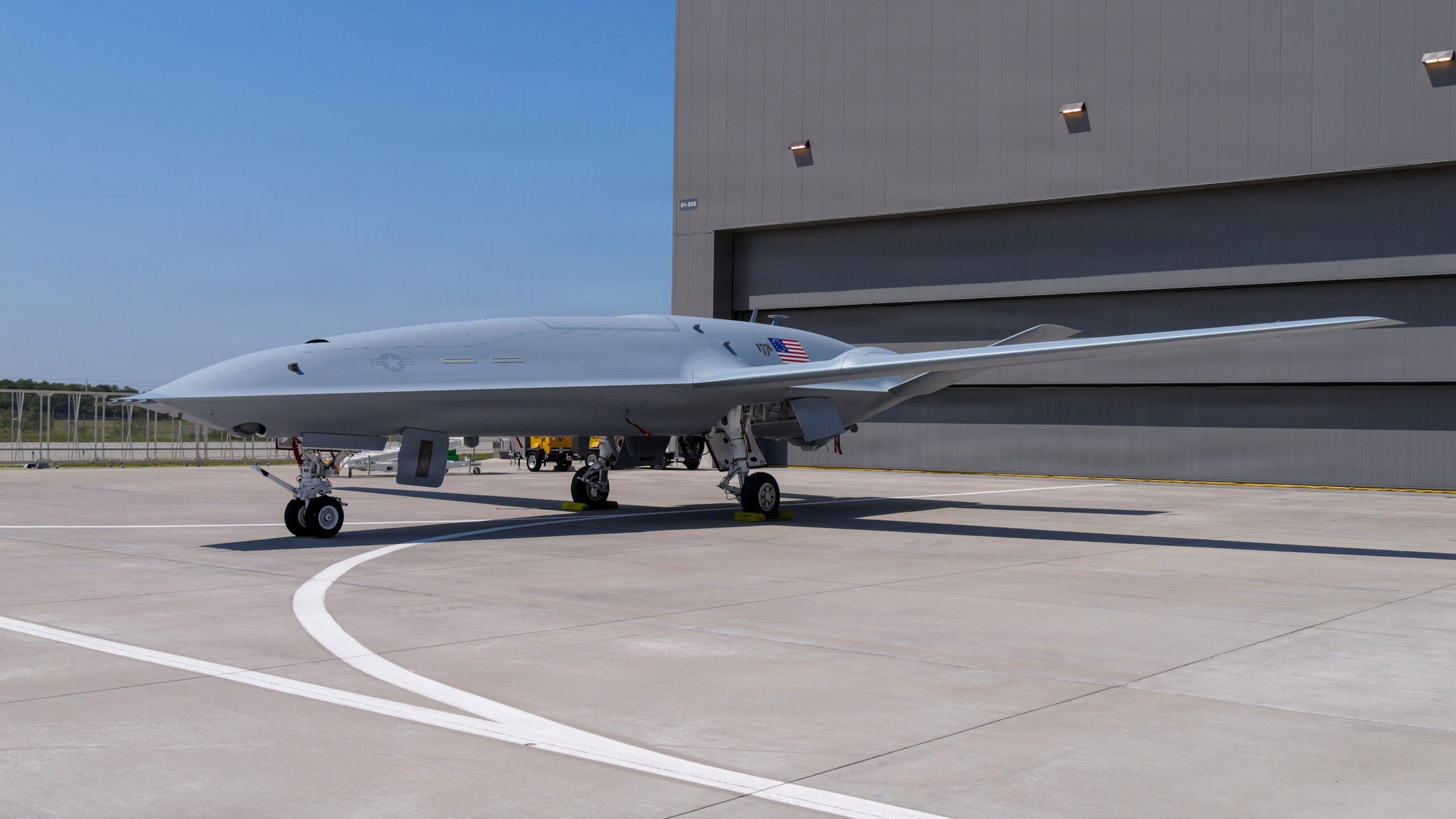
In a significant stride towards modernizing naval aviation capabilities, the U.S. Navy has awarded Boeing its first production contract for the MQ-25 unmanned aerial refueling system. This contract marks a pivotal moment not only for Boeing but also for the future of aerial combat support. As the Navy seeks to enhance its operational capacity and extend the range of its carrier-based aircraft, the MQ-25 is poised to become a cornerstone of carrier strike groups, augmenting existing capabilities while reducing the risk to manned aircraft.
The MQ-25 program, which has been in development for several years, is intended to provide much-needed refueling support to various aircraft operating from aircraft carriers. By enabling unmanned refueling operations, the MQ-25 promises to relieve manned aircraft of this vital task, allowing them to focus on combat missions. With its ability to operate in high-threat environments, the MQ-25 enhances the Navy's flexibility and responsiveness, which is increasingly critical in today's complex geopolitical landscape.
This contract, valued at approximately $805 million, includes the production of the first four MQ-25 aircraft and sets the stage for further production runs. The decision to move forward with production illustrates the Navy's confidence in Boeing's capabilities, as well as a commitment to integrating advanced unmanned systems into its operational framework. The MQ-25 is expected to not only enhance the Navy's operational readiness but also drive advancements in unmanned technology, potentially influencing future defense programs across the services.
Moreover, the awarding of this contract has broader implications for the defense and aerospace sectors. It symbolizes a shift towards increased reliance on unmanned systems, reflecting a growing recognition of their strategic advantages. As global threats evolve, the ability to deploy unmanned systems like the MQ-25 may become essential for maintaining a competitive edge. Additionally, the contract will likely stimulate investment in related technologies, including artificial intelligence, autonomous systems, and advanced sensors, which are crucial for the successful integration of unmanned platforms into military operations.
Looking ahead, the success of the MQ-25 program could herald a new era of naval warfare, wherein unmanned systems play a central role in carrier operations. This development not only underscores the importance of innovation in defense strategies but also highlights the necessity for defense contractors to adapt to rapidly changing technological landscapes. As Boeing embarks on this production phase, the defense community will be closely monitoring its progress, eager to see how the MQ-25 will redefine aerial refueling and enhance the overall effectiveness of naval forces in the years to come.



