MARTAC USV Completes Eight Day Autonomous Demo For Navy
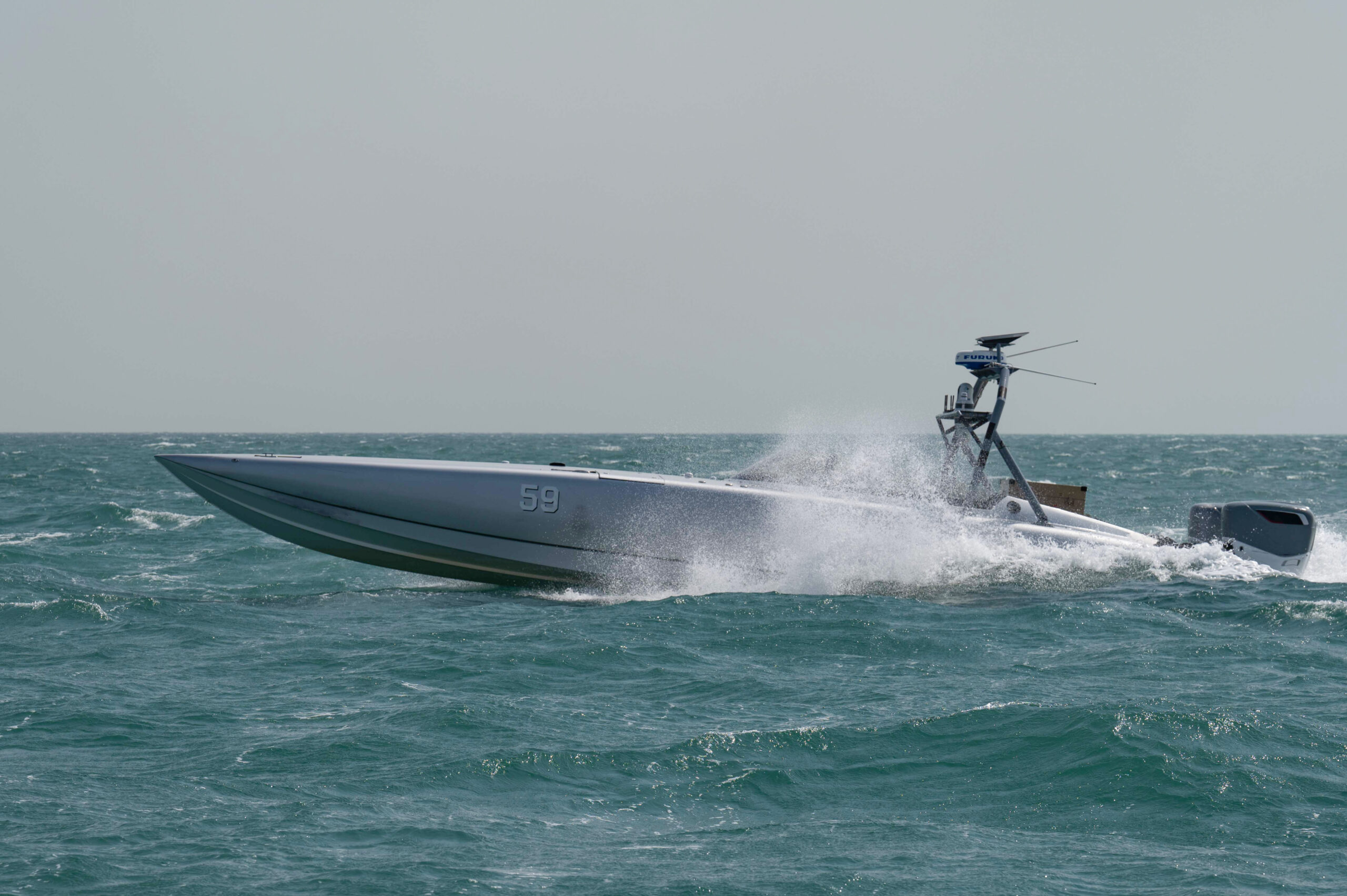
In a significant milestone for unmanned maritime systems, MARTAC (Marine Advanced Technology Company) recently completed an eight-day autonomous demonstration for the U.S. Navy, showcasing the capabilities of their Unmanned Surface Vehicle (USV). This achievement not only highlights advancements in autonomous technology but also underscores the Navy's increasing reliance on unmanned systems to enhance operational flexibility and efficiency. As the demand for innovative defense solutions grows, MARTAC's demonstration could pave the way for further investments in autonomous maritime technologies.
The eight-day endurance test was conducted in varied conditions, emphasizing the USV's ability to operate independently over extended periods. With a focus on real-world applications, this demonstration allowed the Navy to evaluate the vehicle's capabilities in surveillance, reconnaissance, and data collection missions without human intervention. The successful execution of this demonstration is a testament to MARTAC’s commitment to pushing the boundaries of unmanned systems and addressing the evolving needs of modern naval warfare.
This development is particularly crucial in the context of current geopolitical tensions, where maritime security remains a top priority for the U.S. and its allies. As adversaries increasingly deploy sophisticated naval assets, the need for cost-effective and versatile platforms becomes paramount. Autonomous systems like the MARTAC USV offer a compelling solution, providing operational advantages such as reduced risk to personnel, lower operational costs, and the ability to gather intelligence in contested environments. This capability is vital for maintaining a strategic edge in maritime operations.
Moreover, the successful demonstration by MARTAC reflects a broader trend within the defense industry towards the integration of advanced technologies, including artificial intelligence and machine learning, into military operations. By leveraging such technologies, the Navy can enhance decision-making processes, optimize mission planning, and improve situational awareness. This integration is not only essential for current military operations but also sets a precedent for future innovations in defense technology.
Looking ahead, the implications of this demonstration extend beyond immediate military applications. As autonomous systems continue to evolve, there are significant opportunities for collaboration between the defense industry and technology sectors. Investors and builders in the defense arena should take note of this trend, as the potential for growth in autonomous maritime capabilities is substantial. The success of MARTAC’s USV may encourage further research, development, and funding in this domain, ultimately leading to a new generation of naval systems designed for the complexities of modern warfare.
In conclusion, MARTAC's eight-day autonomous demonstration represents a pivotal moment not only for the company but for the entire defense community. As unmanned systems become integral to naval strategy, stakeholders in the defense, aerospace, and technology sectors must remain vigilant and proactive in harnessing the capabilities of such innovations. The future of maritime operations is increasingly autonomous, and those who invest in and adapt to these technologies will likely lead the charge in shaping the next era of defense capabilities.