Marines Tap Sikorsky, Robinson’s Unmanned R66 For Medium Resupply Drone Development Effort
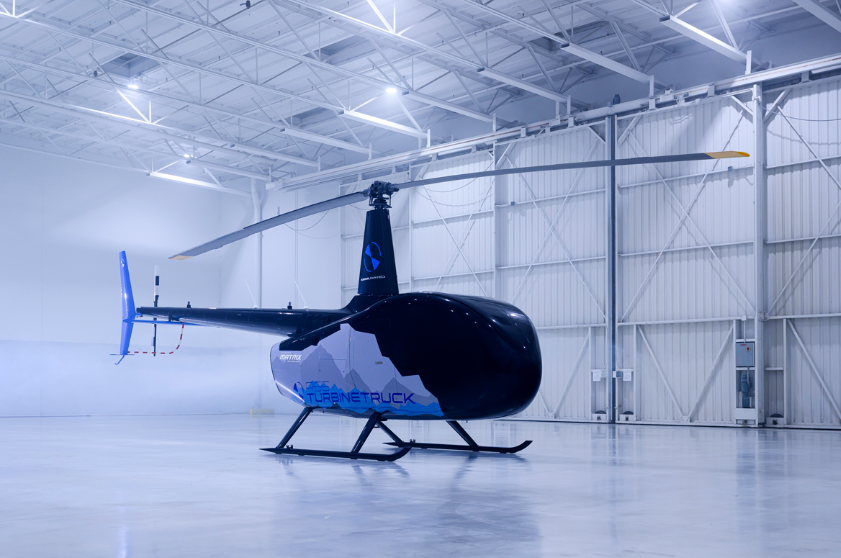
In an era where rapid technological advancements are transforming military operations, the U.S. Marine Corps is taking a significant step towards enhancing its logistical capabilities. The recent decision to collaborate with Sikorsky and Robinson Helicopter Company on the development of an unmanned variant of the R66 helicopter marks a pivotal moment in the evolution of resupply drones. As defense contractors and military leaders increasingly acknowledge the importance of unmanned systems, this initiative highlights both the potential and necessity of integrating advanced aerial capabilities into modern warfare strategies.
The Marine Corps' choice to leverage the R66 platform is noteworthy for several reasons. First, the R66 is a proven aircraft with a robust design and operational history, making it a reliable candidate for adaptation into an unmanned system. With its capacity for carrying substantial payloads and flying at impressive speeds, the R66's evolution into a medium resupply drone could significantly enhance the Marines' operational reach. This development aligns with the broader trend of militaries worldwide seeking to optimize logistics and supply chain management through automation and unmanned technologies.
Moreover, the integration of unmanned aerial systems (UAS) into military operations reflects a growing recognition of the challenges posed by traditional supply methods. In conflict zones, the need for timely resupply is critical, yet often hampered by the risks associated with manned missions. By employing an unmanned R66, the Marines can minimize risks to personnel while ensuring that essential supplies reach frontline units. This capability could be a game-changer in scenarios where speed and safety are paramount.
The collaboration between Sikorsky and Robinson also underscores the importance of public-private partnerships in defense innovation. By tapping into the expertise of established manufacturers like Sikorsky, known for their advanced rotorcraft technologies, and Robinson, with its specialization in smaller helicopters, the Marine Corps is fostering a cooperative environment that encourages technological advancement. Such partnerships can accelerate the development timeline, allowing for rapid prototyping and iterative testing, which are crucial in today’s fast-paced defense landscape.
As we look to the future, the implications of this initiative extend beyond the immediate operational benefits. The successful development and deployment of the unmanned R66 could pave the way for more extensive use of unmanned systems across various military branches. It may also catalyze further investments in drone technology, fostering innovation in areas such as artificial intelligence, autonomous navigation, and advanced payload delivery systems. For builders, investors, and defense industry professionals, the shift towards unmanned capabilities signals a growing market opportunity ripe for investment and development.
In conclusion, the Marine Corps’ effort to develop an unmanned R66 for medium resupply missions demonstrates a critical shift in military logistics and operational strategy. As the defense community continues to adapt to the dynamic demands of modern warfare, the integration of unmanned systems will likely become a standard practice, reshaping how military forces operate and engage in future conflicts.