Marines Plan OPF-L, Organic C-sUAS Fielding Soon Amid Ground Combat Element 2040 Push
In an era where rapid technological advancements dictate the pace of modern warfare, the United States Marine Corps (USMC) is making significant strides in enhancing its combat capabilities. The announcement of the Organic Precision Fire – Long Range (OPF-L) and the impending fielding of organic counter-small Unmanned Aerial Systems (C-sUAS) are pivotal moves that underscore the Corps' commitment to transforming its operational effectiveness. As the USMC positions itself for the future, this initiative aligns with its broader Ground Combat Element 2040 strategy, which aims to modernize and adapt to the evolving threats of the 21st century.
The OPF-L program promises to deliver precision fire support directly from organic units, enabling Marines to conduct operations with unprecedented speed and accuracy. This capability is particularly crucial in contemporary battlefields where traditional artillery can be slow to respond and less adaptable to the dynamic nature of combat engagements. By equipping ground units with enhanced precision fire systems, the USMC is not only increasing its lethality but also ensuring that it can respond to threats more effectively, thereby reducing the risk to troops on the ground.
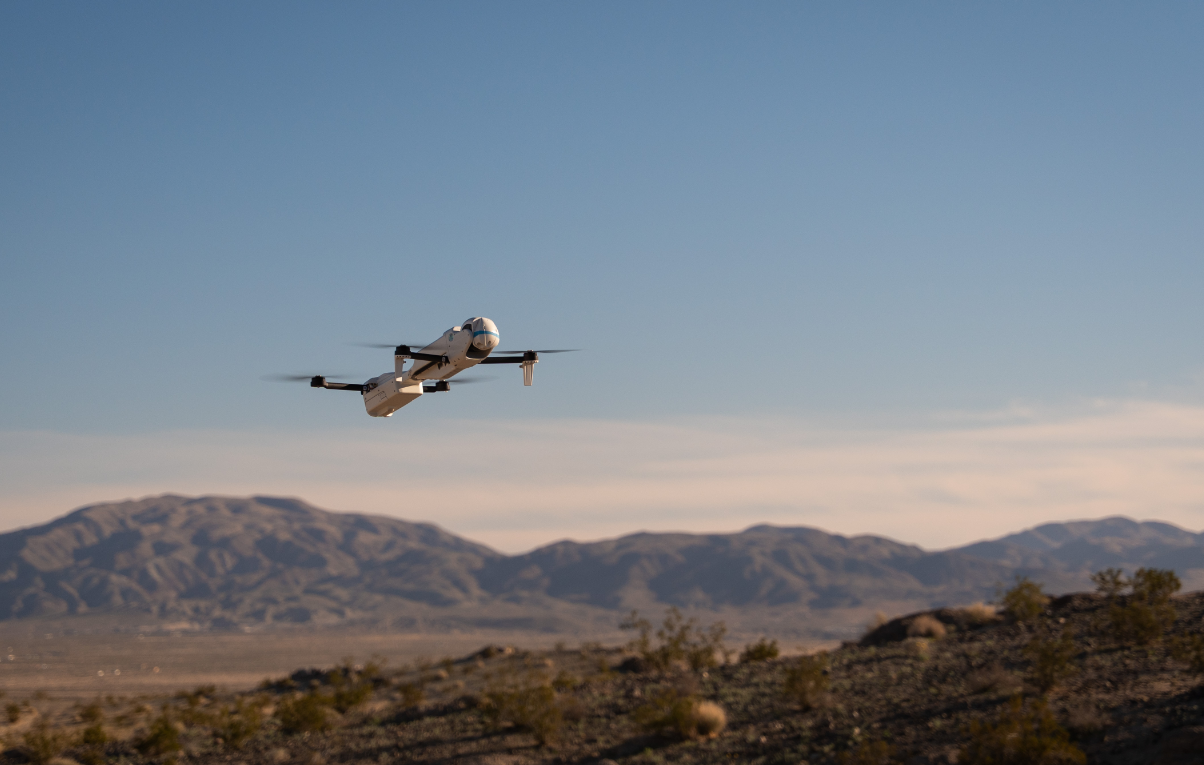
Moreover, the push for organic C-sUAS fielding reflects a growing recognition of the challenges posed by adversarial drones on the battlefield. As unmanned aerial systems become more prevalent, the ability to neutralize these threats is essential for maintaining air superiority and protecting ground forces. The Marine Corps’ initiative to integrate C-sUAS capabilities directly into its combat units signifies a proactive approach to countering emerging threats, emphasizing the importance of adaptability in military operations.
This strategic focus on integrating advanced technology into the Marines' operational framework is not only a response to current conditions but also a forward-looking initiative that sets the stage for future combat scenarios. As the USMC embarks on this modernization journey, it underscores the necessity for defense contractors and technology firms to align their innovations with military needs. Collaboration between the military and private sector will be vital in developing cutting-edge systems that meet the demands of modern warfare, particularly in areas like artificial intelligence, machine learning, and autonomous operations.
As the Marines implement these initiatives, stakeholders in the defense and aerospace sectors should closely monitor the outcomes of the OPF-L and C-sUAS programs. The success of these programs will likely influence investment strategies and technological developments across the industry. Moreover, the lessons learned from these efforts could serve as a blueprint for other branches of the military as they navigate their own modernization efforts. The path forward is clear: the future of combat will be defined by agility, precision, and the seamless integration of technology into military operations.
In conclusion, the USMC's commitment to fielding OPF-L and organic C-sUAS capabilities highlights a significant shift in military operations that not only addresses current threats but also prepares the Corps for the complexities of future warfare. As the defense industry continues to evolve, the collaboration between military and technology sectors will be crucial in shaping a robust and responsive defense posture that meets the challenges of tomorrow's battlefields.