Kratos Views Engines For Low-Cost Cruise Missiles As Growth Area
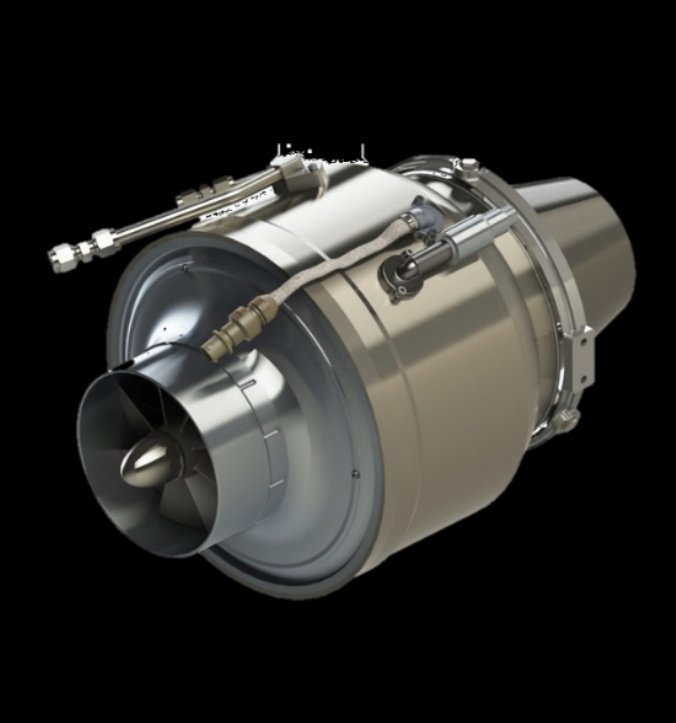
In an era where defense budgets are scrutinized and the need for cost-effective solutions is paramount, Kratos Defense & Security Solutions is positioning itself at the forefront of innovation with its focus on low-cost cruise missile technology. The company's recent announcements indicate a strategic shift towards developing engines specifically tailored for affordable cruise missiles, a market segment that is rapidly gaining traction among military planners and defense contractors alike. As the global defense landscape evolves, Kratos's initiative not only highlights a shift towards budget-conscious strategies but also points to a growing recognition of the value of low-cost alternatives in modern warfare.
The emphasis on low-cost cruise missiles is reflective of broader trends in military procurement. With increasing geopolitical tensions and the need for rapid response capabilities, nations are seeking ways to enhance their military arsenals without incurring the exorbitant costs traditionally associated with advanced weapon systems. Kratos’s approach aligns with these needs, offering a potential solution that enables armed forces to maintain operational readiness while adhering to budget constraints. The company’s focus on developing engines that can drive such missiles efficiently positions it as a crucial player in this expanding market.
Kratos has been making waves in the defense industry with its innovative solutions and adaptability. By leveraging advanced engineering and manufacturing techniques, the company aims to produce engines that not only lower costs but also enhance the overall performance and reliability of cruise missiles. This dual focus on affordability and capability could lead to significant market opportunities, particularly as allied nations seek to modernize their arsenals without the financial burden of high-end systems.
Moreover, the implications of Kratos's strategy extend beyond just the defense sector. The aerospace and technology industries stand to benefit from the technological advancements that come from developing low-cost cruise missile engines. Innovations in propulsion technology can spill over into civilian applications, potentially leading to advancements in commercial aerospace and unmanned aerial systems. As Kratos advances its engine development programs, it may catalyze a wave of innovation that could reshape multiple sectors, reinforcing the interconnectedness of defense and commercial technologies.
Looking ahead, the success of Kratos in this niche market could serve as a bellwether for how defense contractors adapt to the changing demands of warfare. As nations increasingly prioritize cost-effectiveness and flexibility, the development of low-cost cruise missile engines could emerge as a key differentiator for defense firms in competitive bidding scenarios. Kratos's initiative not only signals a promising growth area but also underscores the importance of innovation in meeting the future demands of national security. As the company continues to advance its capabilities, industry stakeholders should closely monitor its progress, as it may set the tone for the next generation of military technology and procurement strategies.
In conclusion, Kratos's focus on engines for low-cost cruise missiles is more than just a business venture; it's a strategic response to the evolving landscape of defense needs, marking a significant shift towards affordability in military capability. As the company navigates this growth area, it may well redefine the parameters of acceptable cost and performance in modern warfare, offering a template for other defense contractors to follow.