
JIATF-401, Army Establish $7 Billion In Counter-Drone Contracts For Domestic Shield
In an age where technological advancements often outpace regulatory frameworks, the recent establishment of $7 billion in counter-drone contracts by the Joint Interagency Task Force (JIATF) 401 and the U.S. Army marks a significant pivot toward safeguarding domestic airspace. This monumental investment highlights an increasing urgency to address the burgeoning threats posed by unmanned aerial systems (UAS), which have evolved from benign hobbyist tools to sophisticated instruments of warfare and surveillance. As drone technology proliferates, the defense and aerospace sectors must adapt to an environment where drones can be employed for both beneficial and malicious purposes.
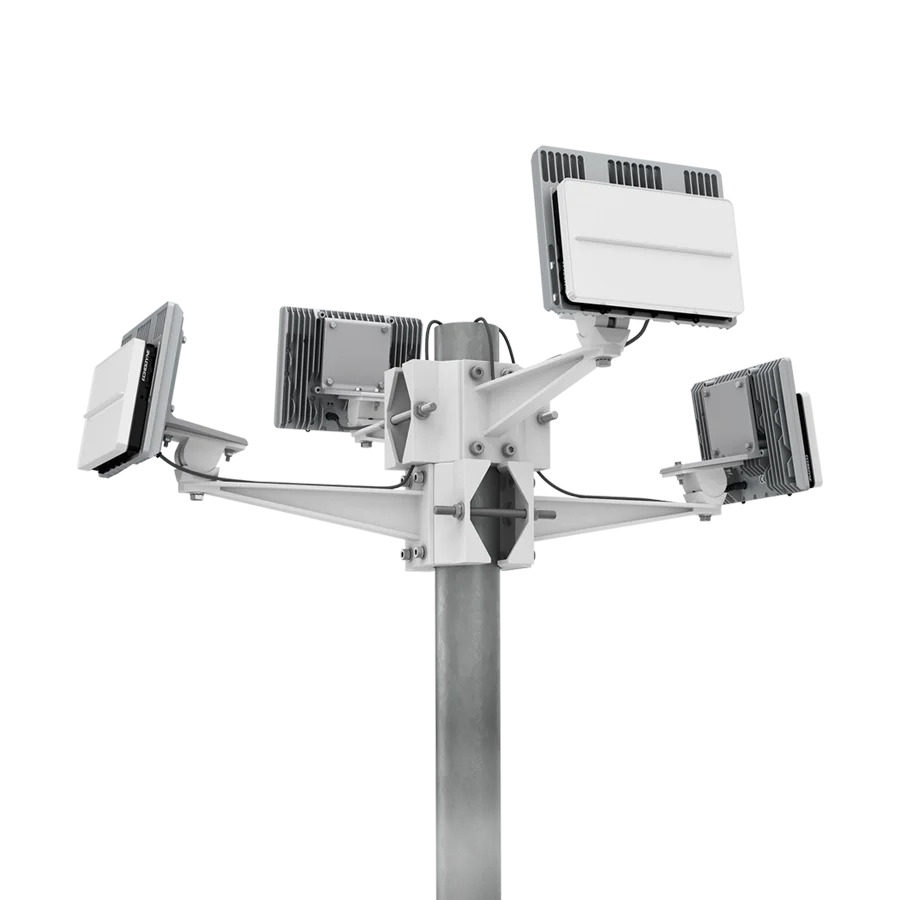
The contracts, aimed at enhancing capabilities to detect, track, and neutralize unauthorized drone incursions, are a response to a series of incidents underscoring the vulnerabilities inherent in our airspace. These incidents, ranging from unauthorized drone surveillance at sensitive military installations to the use of drones in urban conflict zones, have galvanized policymakers and military leaders to rethink the frameworks for air defense. The JIATF-401 initiative not only aims to fortify physical defenses but also emphasizes the importance of integrated systems that can respond to drone threats in real time.
This strategic investment comes at a critical juncture when the U.S. is simultaneously grappling with an escalating range of adversaries who may exploit drone technology to gain tactical advantages. By investing in counter-drone technologies, the U.S. aims to maintain air superiority and protect critical infrastructure from potential drone attacks. Furthermore, it signals a broader recognition within the defense community that the battle for airspace is no longer fought solely with traditional aircraft but also involves a myriad of UAS that require innovative solutions and strategic foresight.
The implications of these counter-drone contracts extend beyond just military applications. The defense industry is poised to see a surge in demand for advanced technologies that can integrate artificial intelligence, machine learning, and robust sensor networks to effectively neutralize drone threats. Companies specializing in aerospace technology, cybersecurity, and unmanned systems will find new opportunities for collaboration and innovation as they work to meet the requirements set forth by the Army and JIATF-401. This could also drive investments in research and development, as firms look to create more sophisticated systems that can adapt to the ever-evolving landscape of drone threats.
Moreover, this move illustrates a clear understanding of the dual-use nature of drone technology, which can serve both commercial and defense purposes. As the lines blur between military and civilian applications, stakeholders in aerospace and technology must remain vigilant and proactive. The necessity for comprehensive regulations and standards that address drone usage, both in commercial and defense sectors, becomes paramount to harnessing the potential of this technology while mitigating risks.
Looking ahead, the $7 billion investment in counter-drone capabilities not only serves as a protective measure but also paves the way for a more resilient and secure airspace. As the U.S. military fortifies its defenses against drone threats, the industry must be prepared to innovate rapidly and responsively. The future of aerial security will rely on our ability to develop systems that not only detect and neutralize threats but also integrate seamlessly with existing defense infrastructures, ensuring that we remain a step ahead in this high-stakes game of aerial dominance.



