Hundreds of Bath Iron Works Ship Designers Go On Strike
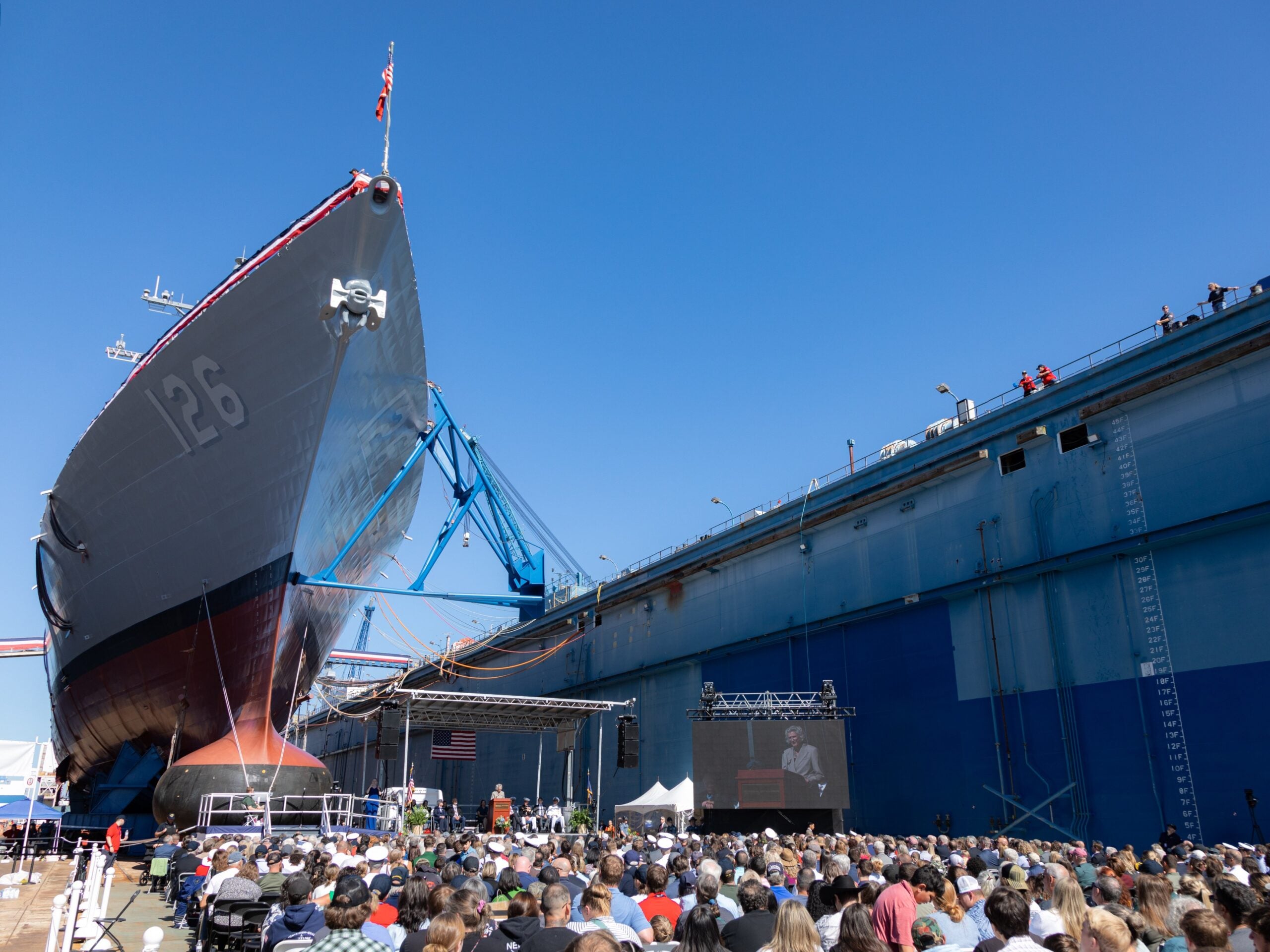
In a significant development for the defense industry, hundreds of ship designers at Bath Iron Works (BIW) have commenced a strike, raising alarms about the potential impacts on the U.S. Navy's shipbuilding programs. This strike, which has garnered attention not only from industry insiders but also from policymakers and defense analysts, underscores the ongoing tensions between labor and management in a sector that is crucial for national security. With BIW being a key player in the construction of Navy ships, the ramifications of this labor action could reverberate through the entire defense supply chain.
The strike commenced after contract negotiations between the designers and the management failed to yield satisfactory results. Key issues reportedly include disputes over wages, working conditions, and job security. Given that Bath Iron Works is responsible for constructing advanced naval vessels, including the Zumwalt-class destroyers, any disruption in the design and production process could lead to delays in delivery schedules and, consequently, impact the Navy’s operational readiness. Such delays could also escalate costs, a concern for both the government and taxpayers.
Contextually, this labor action reflects broader trends within the U.S. defense sector, where skilled labor shortages and rising costs are becoming increasingly prominent. The defense industry, which relies heavily on a qualified workforce to meet its ambitious production goals, is facing challenges as companies compete for limited talent amidst a tight labor market. The situation at BIW serves as a microcosm of these challenges, highlighting the delicate balance between maintaining a robust workforce and ensuring profitability in a sector that is heavily influenced by government contracts and budgetary constraints.
Moreover, the strike at BIW is not merely an isolated labor dispute; it is part of a larger narrative concerning the defense industrial base's capacity to respond to evolving geopolitical threats. As the U.S. seeks to modernize its naval fleet to counter challenges posed by nations such as China and Russia, the ability of shipbuilders to operate efficiently becomes paramount. Any slowdown in production can hinder the U.S. Navy's efforts to maintain maritime superiority, which is increasingly critical in a multipolar world where naval power plays a crucial role in deterrence.
Looking ahead, it is essential for stakeholders in the defense industry to monitor the developments at Bath Iron Works closely. The outcome of this strike may influence future labor negotiations across the sector and could set a precedent for how companies address workforce issues in the face of rising costs and competitive pressures. Furthermore, it will be crucial for policymakers to engage with industry leaders and labor representatives to find a resolution that ensures the U.S. Navy remains capable of fulfilling its mission while also supporting fair labor practices. The intersection of labor relations and national security cannot be underestimated, and how this situation unfolds may ultimately shape the future landscape of the defense industry.
In summary, the strike at Bath Iron Works serves as a critical reminder of the complexities facing the defense sector today. As we watch this situation evolve, it will be vital to consider the broader implications for national security, workforce sustainability, and the resilience of the U.S. defense industrial base.