
How Hegseth envisions a new Autonomous Warfare Command
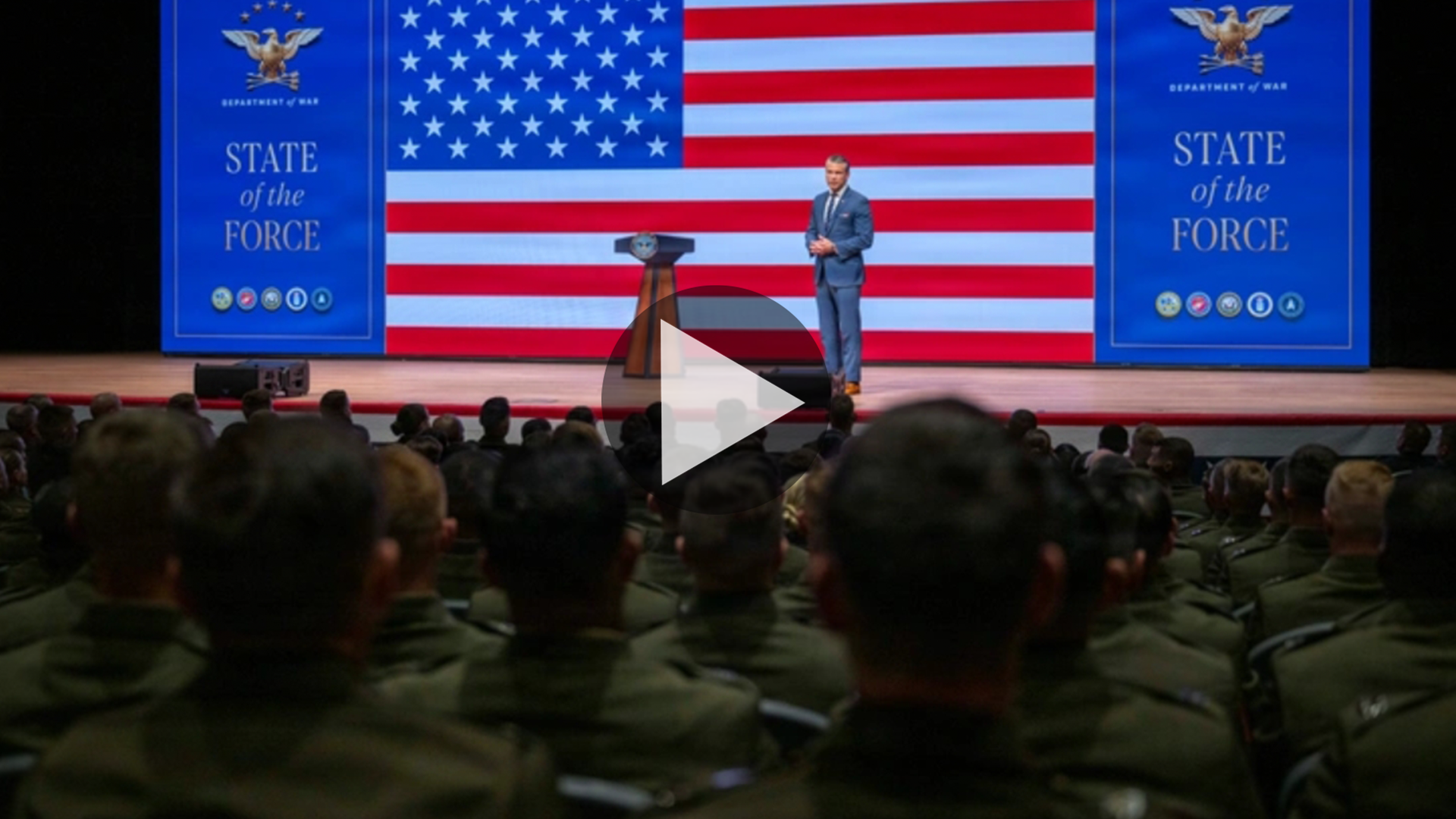
In a rapidly evolving defense landscape, the concept of autonomous warfare is gaining traction, particularly as military leaders seek to enhance operational effectiveness while controlling costs. Recently, Breaking Defense reported on the innovative vision put forth by Pete Hegseth, a prominent figure in defense policy and media. Hegseth's proposal for an Autonomous Warfare Command (AWC) underscores a transformative shift in how armed forces might leverage technology to achieve strategic objectives. By integrating advanced autonomous systems into military operations, Hegseth aims to not only enhance battlefield capabilities but also align with the imperative of affordable mass in defense procurement.
Hegseth envisions an AWC that prioritizes both efficiency and scalability, making it an attractive proposition for defense budgets that are increasingly scrutinized for return on investment. The use of autonomous platforms—ranging from drones to unmanned ground systems—can facilitate operations that minimize human risk while maximizing lethality and situational awareness. This approach resonates with the growing demand for attritable systems that can be produced and deployed in quantity, thereby ensuring that military forces retain a competitive edge without the prohibitive costs associated with traditional high-end weaponry.
Moreover, the establishment of an AWC could significantly impact sustainment strategies within the defense sector. As military assets become more autonomous, the burden of maintenance and logistics can be alleviated through smart technologies that predict failures and optimize performance. This shift not only enhances fleet readiness but also aligns with the necessity for cost-effective operations in an era where defense budgets are challenged by competing national priorities. Hegseth's vision aligns with a broader trend towards integrating artificial intelligence in defense systems, which promises improved decision-making capabilities that are essential for modern warfare.
The implications of Hegseth's proposal extend beyond mere operational enhancements; they represent a paradigm shift in how military forces conceptualize engagement in conflict. As adversaries increasingly employ hybrid warfare tactics, the need for an agile and responsive command structure becomes paramount. An AWC could facilitate rapid deployment and integration of various autonomous platforms, ensuring that armed forces can adapt to dynamic battlefield conditions. This capability is vital for maintaining deterrence and achieving operational success in an uncertain geopolitical landscape.
In conclusion, Hegseth's vision for an Autonomous Warfare Command is not just a theoretical exercise; it is a necessary evolution in the defense sector that aligns well with the principles of affordable mass and sustainment. As military leaders and defense contractors consider the implications of this approach, it is crucial to invest in the development of autonomous systems that are both cost-effective and capable of meeting the complex demands of modern warfare. The future of defense may well hinge on our ability to embrace these technologies, ensuring that we not only keep pace with adversaries but also redefine the parameters of engagement on our terms.



