HII Nabs Contract To Extend Lionfish Small UUV Production
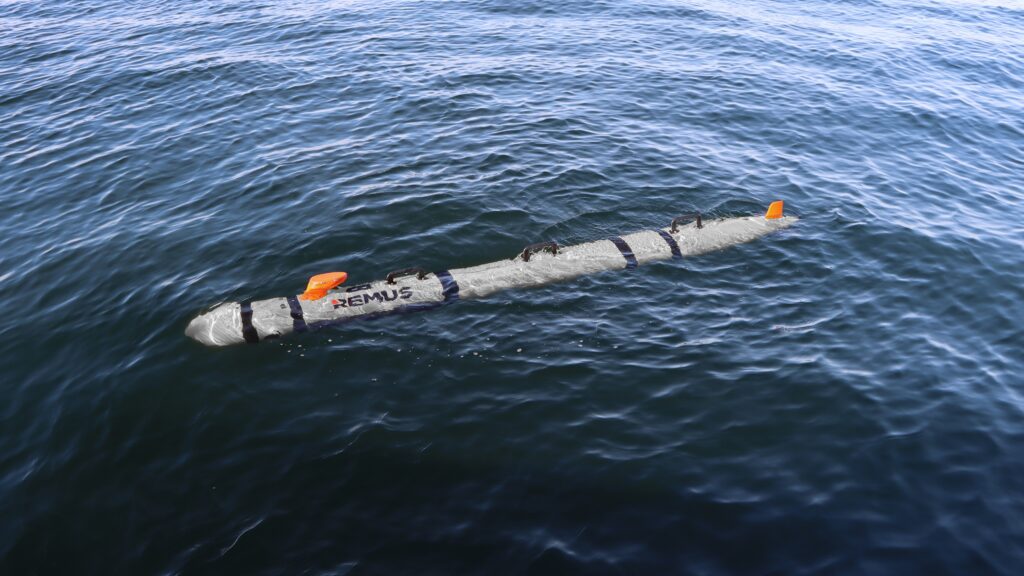
In a significant development for the defense industry, Huntington Ingalls Industries (HII) has secured a contract to extend the production of its Lionfish small uncrewed underwater vehicle (UUV). This announcement is more than just a routine contract win; it signifies a growing recognition of the strategic role that UUVs play in modern naval warfare and maritime security. As global tensions rise and the need for enhanced surveillance capabilities becomes paramount, the Lionfish UUV stands as a testament to the innovative strides being made in underwater technology.
The Lionfish UUV is designed for a variety of applications, including intelligence, surveillance, reconnaissance, and mine detection. Its compact size and advanced capabilities allow it to operate in environments that are often challenging for larger vessels. This versatility makes it an attractive asset for not only the United States Navy but also for allied forces seeking to enhance their operational capabilities without incurring the high costs associated with traditional manned platforms. The extension of its production aligns with the U.S. military's broader strategy to adopt more unmanned systems, which are seen as critical for future combat scenarios.
HII's latest contract is particularly relevant in the context of the increasing emphasis on affordable mass capabilities in defense procurement. As budgets tighten and the demand for advanced technology grows, the Lionfish UUV offers a practical solution that balances performance with cost-effectiveness. The ability to deploy multiple UUVs simultaneously can provide operational commanders with a tactical advantage, allowing for comprehensive area coverage while minimizing risks to personnel and assets. This contract is not only a boon for HII but also reflects a paradigm shift in how defense industries must approach the challenges of modern warfare.
Moreover, the extension of Lionfish production highlights the importance of maintaining a robust supply chain and workforce skilled in advanced manufacturing and robotics. The defense sector is increasingly reliant on technologies that integrate artificial intelligence and machine learning, and the Lionfish UUV is no exception. As HII ramps up production, it will likely need to invest in workforce development to ensure that its employees are equipped with the necessary skills to build and maintain these sophisticated systems. This presents an opportunity for collaboration between defense contractors and educational institutions, fostering a pipeline of talent for the future.
Looking ahead, the implications of HII's contract extension are profound. The Lionfish UUV will likely play a pivotal role in upcoming naval operations, particularly in contested maritime environments where stealth and adaptability are crucial. As the U.S. continues to confront emerging threats, the strategic deployment of UUVs like Lionfish could redefine naval tactics and operational planning. Furthermore, this contract could pave the way for future innovations in underwater technology, potentially leading to enhancements in autonomous navigation systems, sensor integration, and data analysis capabilities.
In conclusion, HII's contract to extend Lionfish UUV production underscores the growing importance of unmanned systems in the defense landscape. As nations invest in advanced maritime capabilities, the Lionfish stands out as a vital asset that not only enhances operational effectiveness but also exemplifies the innovative spirit of the defense industry. The future of naval warfare is undoubtedly leaning towards automation and unmanned operations, and the Lionfish UUV is poised to be at the forefront of this transformation.