HII Locking In Autonomous Robotic Help For Shipbuilding With $900 Million In Production Agreements
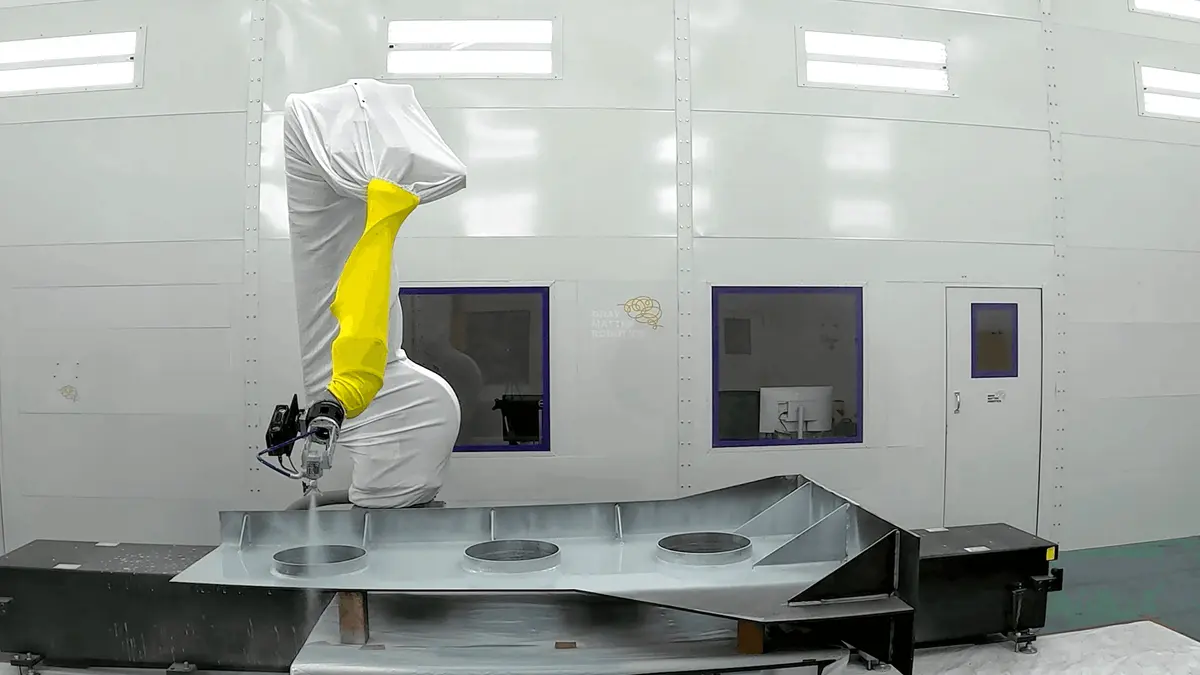
In a bold move to enhance its shipbuilding capabilities, Huntington Ingalls Industries (HII) has secured $900 million in production agreements aimed at integrating autonomous robotic technologies into its manufacturing processes. This significant investment underscores a pivotal shift in the defense industry, where traditional shipbuilding methods are increasingly being augmented by advanced automation and robotics to meet the demands of modern warfare and security needs.
The integration of autonomous robots in shipbuilding is not merely about increasing efficiency; it represents a fundamental transformation in how naval vessels are designed, constructed, and maintained. With the U.S. Navy's emphasis on maintaining a technological edge, HII's efforts are timely and aligned with broader defense strategies. As the U.S. faces an evolving set of threats, the ability to produce ships faster and more effectively could have profound implications for national security and maritime dominance.
The $900 million agreements will facilitate the deployment of cutting-edge robotic systems that can perform complex tasks, from welding to inspection, with precision and speed that surpass human capabilities. This shift not only promises to enhance productivity but also aims to mitigate labor shortages that the industry has been grappling with in recent years. As the workforce ages and fewer young professionals enter skilled trades, automation serves as a crucial ally, ensuring that production timelines are met without compromising quality.
Furthermore, this move is a clear indication of HII's commitment to innovation in an era where technological advancements are reshaping the landscape of defense contracting. The investment in autonomous robotics is expected to yield long-term benefits, including cost reductions in production and maintenance, as well as improved safety for workers. By reducing the need for human intervention in hazardous environments, HII is not only enhancing operational efficiency but also prioritizing the welfare of its workforce.
As we look ahead, the implications of HII's investment extend beyond immediate production efficiencies. The adoption of autonomous technologies could set a precedent for other defense contractors, prompting a broader industry-wide shift towards automation. This could lead to a competitive landscape where companies that fail to innovate may find themselves at a strategic disadvantage. Moreover, as HII advances its capabilities, the ripple effects could influence supply chains and partnerships, stimulating further investment in related technologies and systems.
In conclusion, HII's substantial commitment to integrating autonomous robotics into shipbuilding is a significant milestone for the defense industry. It not only highlights the urgent need for modernization within naval manufacturing but also reinforces the importance of innovation as a driver of national security. As these autonomous technologies become standardized, we may witness a new era in defense production—one characterized by enhanced efficiency, safety, and adaptability in the face of ever-evolving global challenges.