Here’s how the Army plans to spend nearly $1 billion in procuring small counter drone tech
In an era where the skies are increasingly crowded with unmanned aerial vehicles (UAVs), the U.S. Army's recent initiative to allocate nearly $1 billion for the procurement of small counter-drone technologies is both timely and crucial. As drones become more accessible and versatile, the threat they pose continues to escalate, necessitating robust measures to safeguard military operations, infrastructure, and personnel. This investment not only underscores the Army's proactive stance in addressing evolving threats but also signals a significant shift in defense spending towards advanced technology solutions that can counteract the growing prevalence of drones on the battlefield.
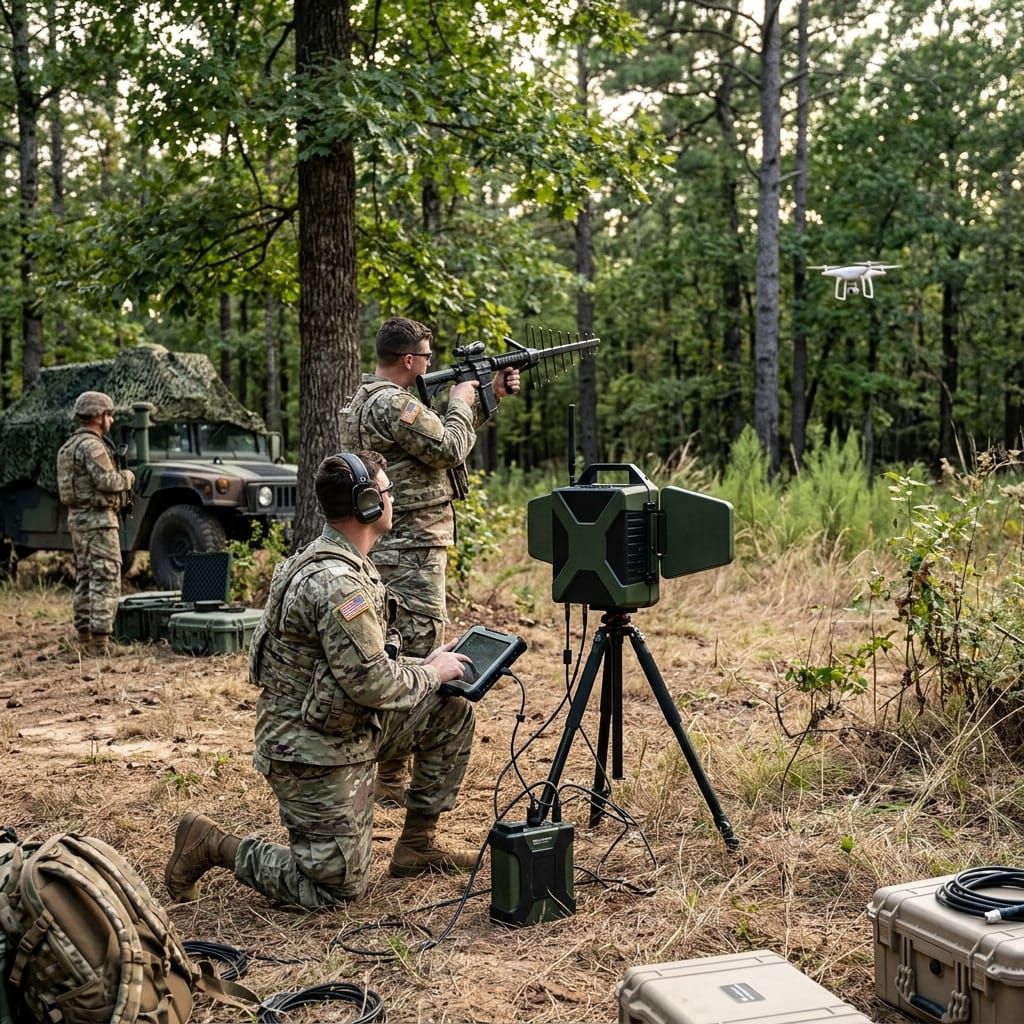
The Army's strategy is not merely about acquiring technology; it's about enhancing operational capabilities in an increasingly complex warfare environment. The focus on small counter-drone systems reflects a recognition that conventional air defense systems are often ill-suited to engage smaller, more agile threats. As adversaries leverage drones for surveillance, reconnaissance, and even combat missions, the need for dedicated countermeasures becomes paramount. The Army's investment will likely include both kinetic and non-kinetic solutions, such as electronic warfare systems and directed energy weapons, which can effectively neutralize these aerial threats without collateral damage.
Moreover, this funding initiative aligns with broader trends within the defense and aerospace sectors, which are increasingly investing in unmanned systems and advanced technology. As the market for counter-drone solutions expands, companies specializing in this field will find new opportunities for growth and innovation. The infusion of capital into small counter-drone technologies will catalyze research and development, leading to enhanced capabilities, improved reliability, and potentially lower costs. For builders and investors in the defense industry, this represents a fertile ground for investment, with the potential for significant returns as demand for effective countermeasures rises.
Additionally, the Army's focus on small counter-drone systems is a response to lessons learned from recent conflicts where adversaries have effectively utilized drones. The conflicts in Syria and Ukraine have demonstrated the effectiveness of UAVs in asymmetric warfare, prompting a reevaluation of military strategies. By prioritizing the development and procurement of counter-drone technologies, the Army aims to ensure that it remains one step ahead of potential adversaries who may seek to exploit vulnerabilities in U.S. airspace and operational security.
Looking forward, this nearly $1 billion investment represents more than just a tactical response; it is a strategic pivot towards an integrated approach in military operations. As the Army continues to refine its counter-drone capabilities, collaboration with private sector innovators and technology developers will be essential. The defense community must embrace new partnerships and foster a culture of innovation to stay ahead in an ever-evolving threat landscape. Ultimately, the successful implementation of these counter-drone technologies will not only enhance national security but will also set a precedent for how military forces globally adapt to the challenges posed by emerging technologies in warfare.
In conclusion, the U.S. Army's robust investment in counter-drone technology is indicative of a broader recognition of the changing nature of warfare. As we look to the future, this strategic move could redefine operational paradigms within the military and open new avenues for collaboration and innovation in the defense sector.