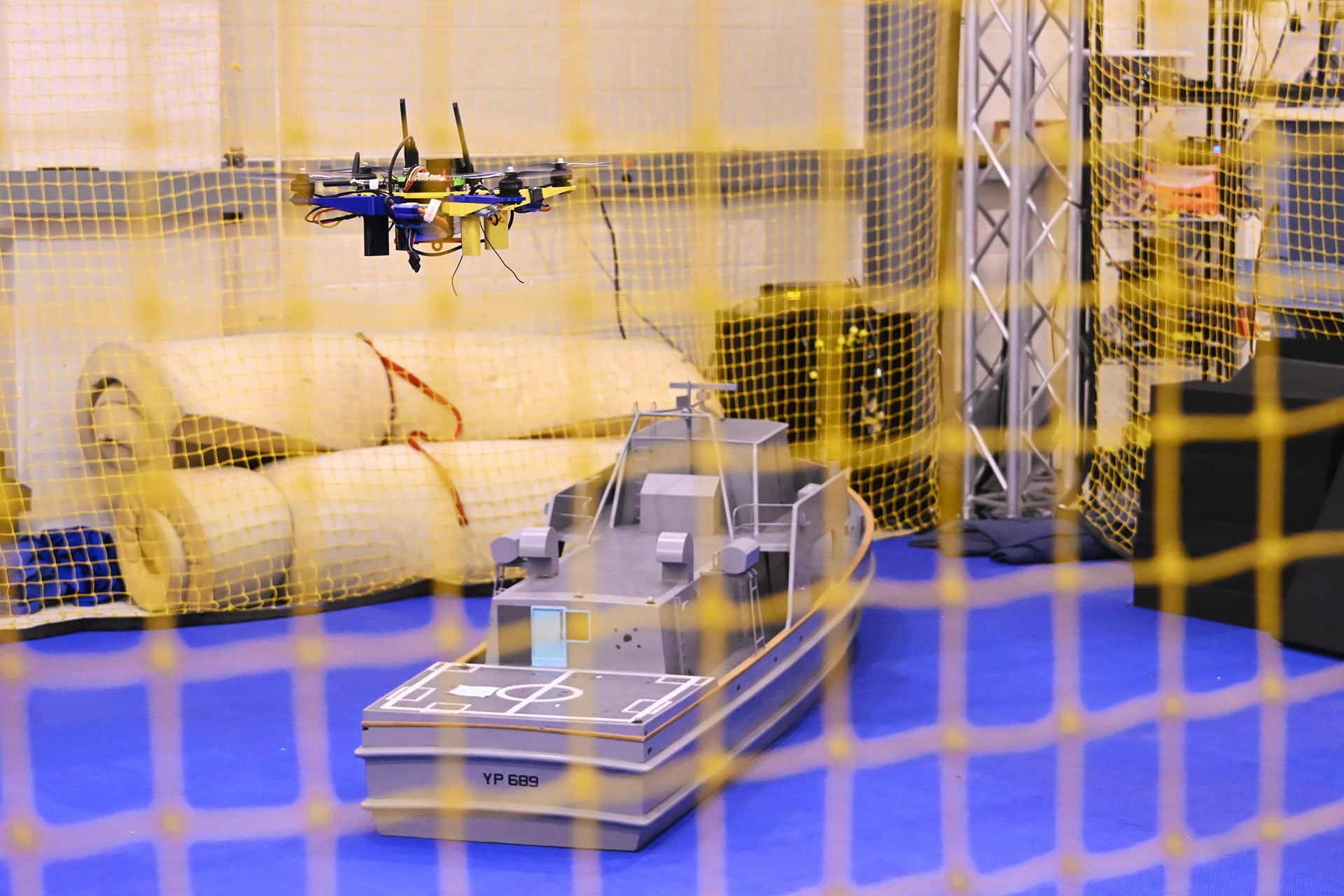
Helsing raises $1.8 billion in Europe’s biggest defense-startup round
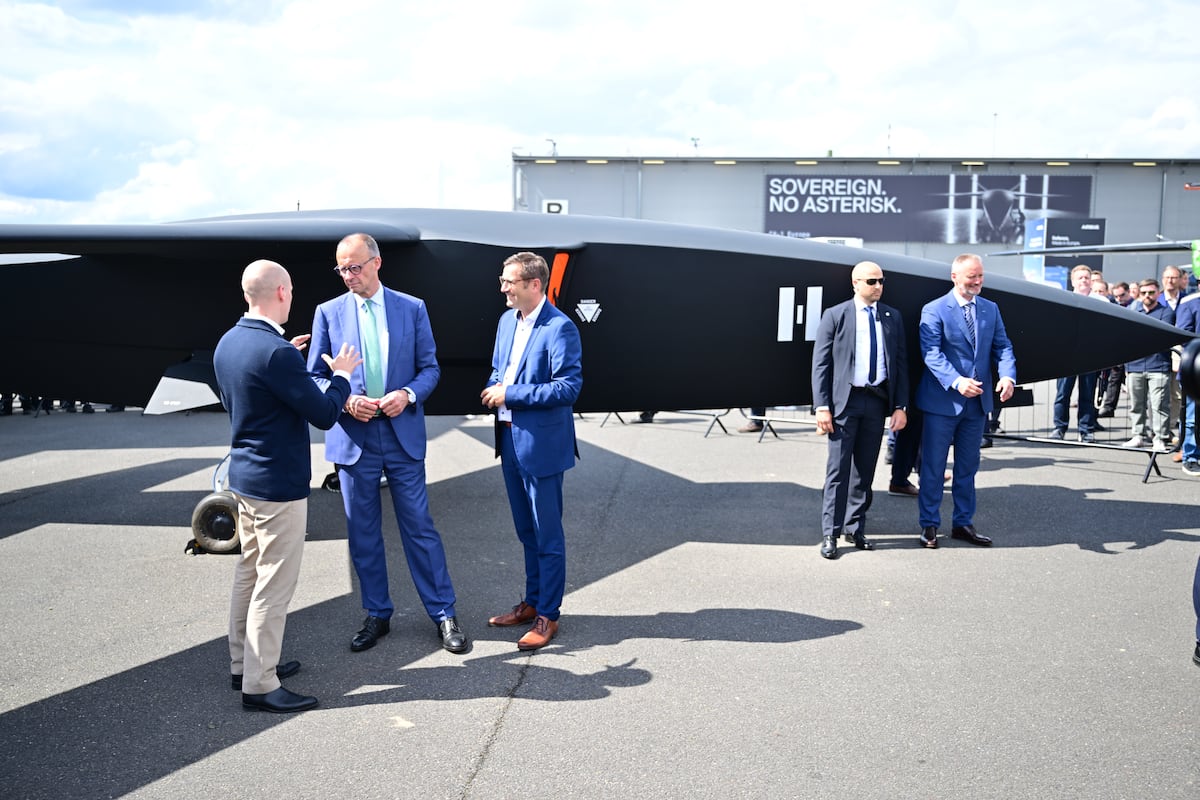
In a move that has sent ripples through the defense and technology sectors, Helsing, a European deep-tech startup, has successfully raised $1.8 billion in what is now recognized as the largest funding round for a defense startup in Europe. This investment not only underscores the growing interest in innovative defense solutions but also highlights the urgency for modernizing military capabilities in an increasingly volatile geopolitical landscape. As nations strive to enhance their defense systems, Helsing's funding round signals a significant shift towards private sector involvement in national security.
Helsing's mission revolves around leveraging advanced artificial intelligence and machine learning to develop cutting-edge defense technologies. The funding, which was led by prominent investors including prominent venture capital firms and strategic partners, will enable the company to accelerate its research and development efforts. The infusion of capital will also support the scaling of operations to meet the burgeoning demand for sophisticated military solutions that can address contemporary challenges such as cyber warfare, autonomous systems, and data-driven decision-making in combat scenarios.
This funding round arrives at a critical juncture for Europe's defense sector, which has historically lagged behind its counterparts in the United States. With rising tensions in Eastern Europe and the ongoing need for enhanced defense capabilities, European nations are increasingly looking to innovative startups like Helsing to fill gaps in their military capabilities. The European Union's strategic focus on defense autonomy and technological advancement further bodes well for the future of firms like Helsing, which embody a blend of agility and cutting-edge technology that traditional defense contractors may struggle to match.
Investors are acutely aware of the shifting dynamics within the defense landscape. The move towards public-private partnerships reflects a growing recognition that the defense industry must evolve to address new threats and demands. Helsing's success may pave the way for similar investments across Europe, emphasizing the need for collaboration between government entities and private firms to foster innovation and ensure that military forces are equipped with the most advanced technologies available.
As we look ahead, the implications of Helsing's funding extend beyond immediate financial gains. The startup's success represents a paradigm shift in how defense solutions are conceived, developed, and deployed. The infusion of substantial capital into defense innovation signals an era where startups play a critical role in national security, encouraging a more diverse and competitive market for defense technologies. If Helsing can deliver on its promises, it may not only redefine European defense capabilities but also set a precedent for future investment in the defense sector, potentially reshaping the landscape of military technology on a global scale.
In conclusion, Helsing's remarkable funding achievement marks a significant milestone in Europe’s defense ecosystem. It serves as a clarion call for further investment in technology-driven solutions that are essential for modern warfare. As the lines between the public and private sectors continue to blur, the defense industry must adapt, innovate, and embrace the contributions of startups to ensure that they remain ahead in this rapidly evolving domain.