HASC’s FY ‘27 NDAA Adds More Black Hawks, Chinooks For Army, No Plus-Up For Apaches
In a significant move within the defense budget landscape, the House Armed Services Committee (HASC) has approved the Fiscal Year 2027 National Defense Authorization Act (NDAA), which earmarks additional funding for the Army's helicopter fleet. Notably, this legislation proposes an increase in the procurement of Black Hawk and Chinook helicopters, while notably omitting any increase for Apache attack helicopters. This decision, while strategic, raises questions about the future capabilities of the Army Aviation branch and its ability to maintain a balanced and versatile fleet in an evolving operational environment.
The decision to boost the acquisition of Black Hawks and Chinooks aligns with the Army's ongoing commitment to modernize its rotorcraft capabilities. The Black Hawk has long been a workhorse for various missions, including troop transport and medevac operations, while the Chinook's heavy-lift capabilities are essential for logistical support in complex battlefield scenarios. By increasing their numbers, the Army aims to enhance its operational readiness and sustainment capabilities, particularly as global military engagements become more demanding.
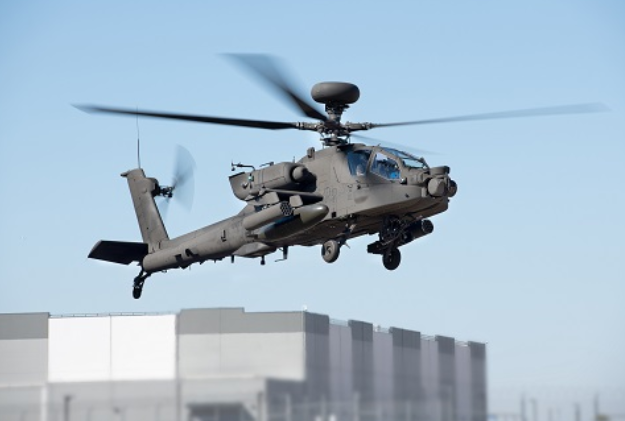
However, the absence of an increase in Apache helicopters raises critical concerns. The Apache has been a cornerstone of the Army's aerial combat capability, providing precision strike capabilities and close air support. In an era where asymmetric threats and near-peer adversaries are becoming more prevalent, the decision to forgo additional Apaches may reflect budgetary constraints or a strategic pivot toward multi-domain operations. It also underscores a potential risk of diminishing the Army's ability to project power and maintain air superiority in contested environments.
From a defense industry perspective, this decision could have far-reaching implications. Manufacturers of Black Hawk and Chinook helicopters, such as Sikorsky and Boeing, are likely to see a boost in production contracts, which can lead to job creation and economic benefits in the regions surrounding their facilities. Conversely, the lack of additional funding for Apache production may lead to an uncertain future for the program, impacting suppliers and technology developers involved in Apache upgrades and support. The defense sector must pay close attention to these shifts, as they can influence investment strategies and partnerships going forward.
As we look ahead, the implications of this NDAA decision will resonate through the Army's modernization efforts and the broader defense industrial base. The focus on Black Hawks and Chinooks may indicate a shift toward prioritizing transport and logistical capabilities, while the Apache's omission could signal a need for a strategic reassessment of how the Army plans to maintain its competitive edge in aerial warfare. Understanding these dynamics will be crucial for stakeholders across the defense sector as they navigate the complexities of military readiness and technological advancements in the coming years.