German drone maker Helsing enlists Rakuten to broker Japan military deal
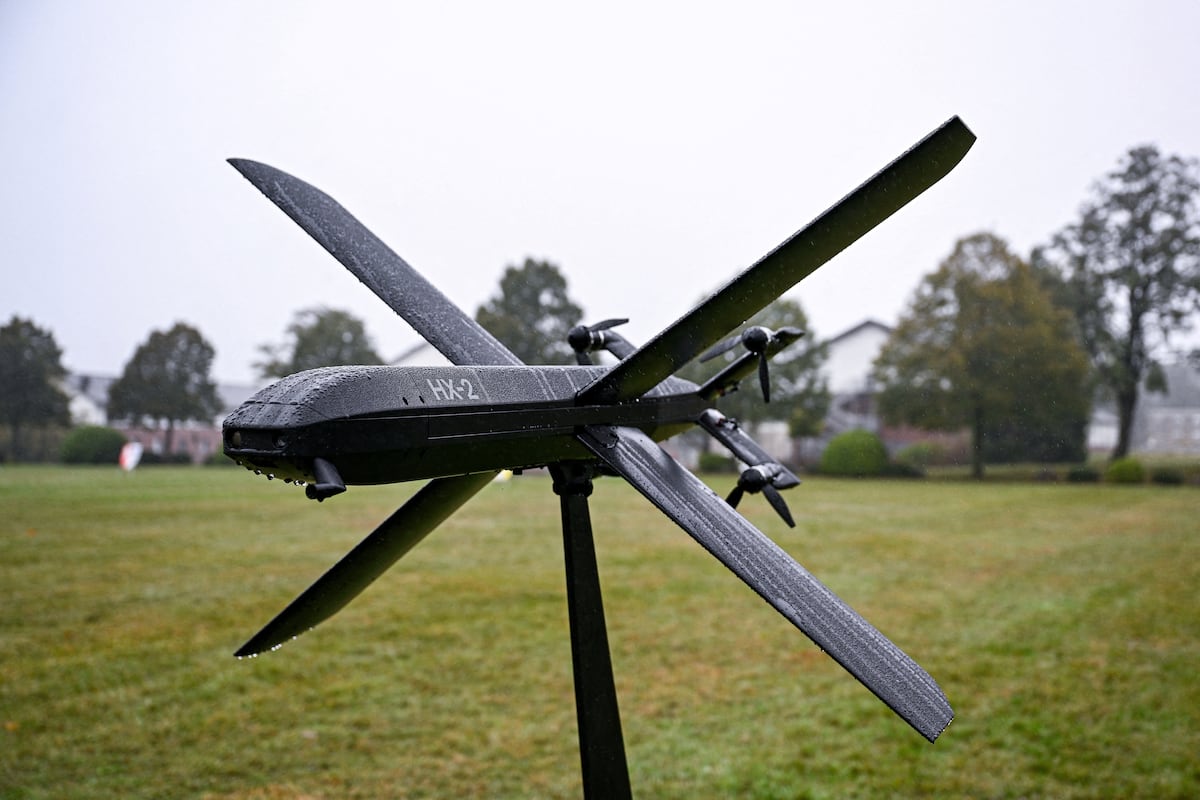
In an increasingly complex global security landscape, strategic partnerships are becoming paramount for nations looking to bolster their defense capabilities. The recent announcement that German drone manufacturer Helsing is collaborating with Japanese telecommunications giant Rakuten to broker a significant military deal with Japan underscores this trend. The partnership aims to enhance Japan's drone technology and capabilities, marking a pivotal moment in the defense industrial landscape of both nations.
Helsing, known for its innovative drone solutions, has positioned itself as a key player in the European defense market. Their technology, which integrates artificial intelligence and advanced sensing systems, is designed to provide militaries with enhanced situational awareness and operational efficiency. By enlisting Rakuten, a powerhouse in telecommunications and technology, Helsing is tapping into a network that can facilitate access to Japan's sophisticated defense procurement processes. This collaboration not only highlights the importance of cross-industry partnerships but also signals Japan's intent to modernize and expand its military capabilities in line with its evolving security needs.
For Japan, the implications of this partnership are profound. The country has been increasingly focused on strengthening its defense posture in response to regional threats, particularly from North Korea and China. As Japan seeks to enhance its self-defense forces, the acquisition of cutting-edge drone technology becomes essential. This collaboration with Helsing could provide Japan with the tools necessary to conduct surveillance, reconnaissance, and potentially offensive operations, thereby augmenting its capabilities in a rapidly changing geopolitical environment.
The engagement of a technology giant like Rakuten in this military deal also reflects a broader trend of commercial enterprises stepping into the defense sector. The melding of technology and defense is not just about hardware; it is about leveraging data, analytics, and connectivity to enhance military effectiveness. This partnership could pave the way for future collaborations between military and civilian technology sectors, fostering innovation and potentially leading to breakthroughs that could benefit both industries.
Looking forward, the successful execution of this partnership could set a precedent for other international collaborations in the defense sector. As nations grapple with new and emerging threats, the need for advanced technological solutions will only grow. The Helsing-Rakuten alliance may serve as a model for how countries can effectively pool resources and expertise to meet their defense needs. Furthermore, it raises questions about how future military contracts will be shaped by the convergence of technology and defense, and how companies within the aerospace sector can adapt to these evolving dynamics.
In conclusion, the collaboration between Helsing and Rakuten is a significant step towards enhancing Japan’s military capabilities, while also highlighting the transformative role of technology in defense. As the landscape continues to evolve, stakeholders in the defense, aerospace, and technology industries must remain vigilant and adaptable to seize the opportunities that arise from such partnerships.