GE Aerospace And Kratos Announce USAF EMD Contract For Alternate JASSM-ER Engine
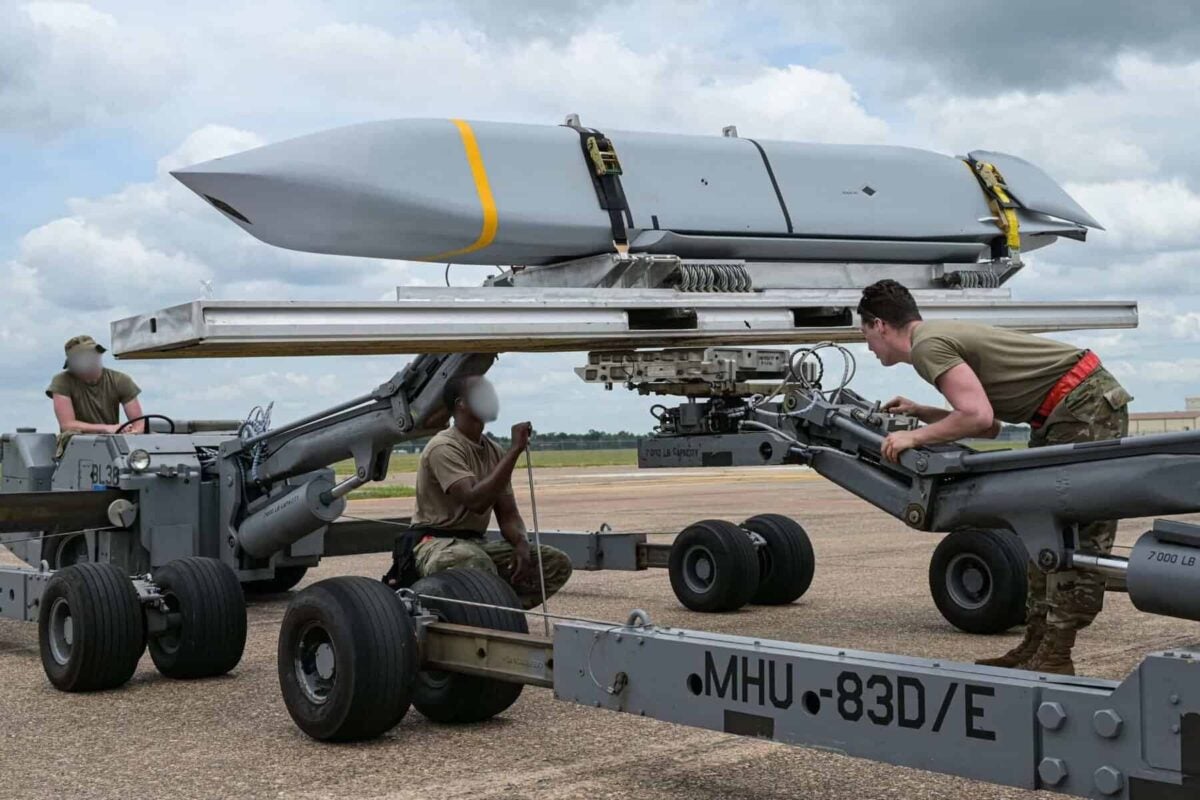
In a significant development for the U.S. Air Force's (USAF) long-range strike capabilities, GE Aerospace and Kratos Defense & Security Solutions have formalized a contract for the Engineering and Manufacturing Development (EMD) of an alternate engine for the Joint Air-to-Surface Standoff Missile-Extended Range (JASSM-ER). This contract marks a pivotal moment in the ongoing evolution and enhancement of missile technology, underscoring the importance of innovation and adaptability in the defense sector. As geopolitical tensions continue to mount, this collaboration could provide the USAF with a more versatile and efficient strike platform, vital for maintaining a strategic edge in modern warfare.
The JASSM-ER is a crucial component of the USAF’s arsenal, designed to strike high-value targets with precision from standoff ranges. The introduction of an alternate engine not only aims to improve the missile's performance but also enhances operational flexibility. The partnership between GE Aerospace, a leader in propulsion technology, and Kratos, known for its advanced systems and capabilities, reflects a strategic approach to integrating cutting-edge technologies and ensuring that the U.S. military can adapt to ever-evolving threats. This development aligns with the Defense Department's current focus on fostering competition within the defense supply chain, which is essential for driving down costs and accelerating innovation.
The implications of this contract extend beyond improved missile performance. By diversifying the engine options for JASSM-ER, the USAF can mitigate risks associated with supply chain dependencies and enhance its resilience against potential adversaries. In a landscape where technological superiority is paramount, having multiple sources for critical components can ensure that the U.S. maintains its operational readiness. This initiative could also stimulate further advancements in propulsion technologies, potentially benefiting other defense systems and commercial aerospace sectors.
Moreover, the collaboration signifies a broader shift within the defense industry towards fostering partnerships that leverage the strengths of multiple players. As defense budgets tighten and the demand for advanced capabilities grows, such alliances become increasingly important. By combining resources and expertise, GE Aerospace and Kratos are setting a precedent for future projects, emphasizing the necessity of innovation through collaboration in the defense arena.
Looking ahead, the successful development of the alternate JASSM-ER engine could pave the way for future projects and enhancements across the defense portfolio. As the USAF continues to explore advanced technologies, the outcomes from this contract may influence the trajectory of missile systems and their associated technologies for years to come. For investors and industry professionals, staying attuned to these developments is critical, as they represent not only the future of military capabilities but also opportunities for growth and investment in the defense and aerospace sectors. The landscape is changing rapidly, and those who adapt will be the ones to lead in the new era of defense technology.