F.E. Warren’s 90th Missile Security Operations Squadron To Buy DJI Drones For Counter-UAS Testing
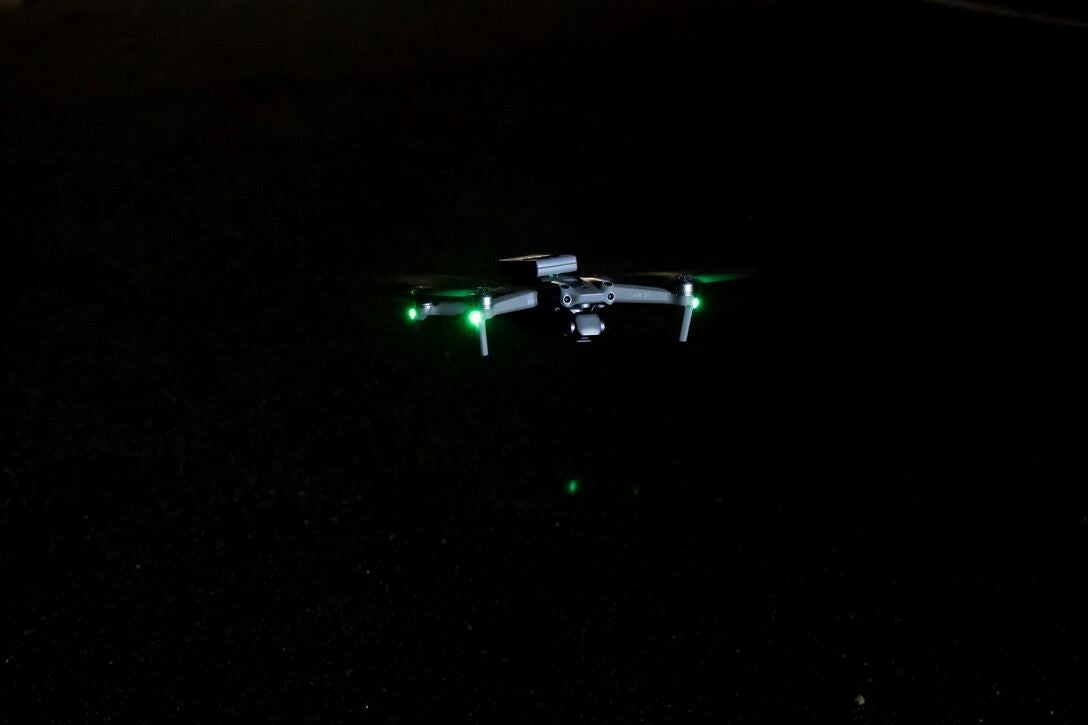
In an era where uncrewed aerial systems (UAS) have become ubiquitous, both in civilian and military domains, the ability to counter potential threats posed by these drones has never been more critical. In a significant development that underscores this need, the 90th Missile Security Operations Squadron at F.E. Warren Air Force Base has announced plans to procure DJI drones for counter-drone testing. This initiative not only highlights the increasing integration of commercial technology into military operations but also reflects a proactive approach to safeguarding vital assets in an evolving threat landscape.
The 90th Missile Security Operations Squadron, tasked with protecting the nuclear missile silos in Wyoming, recognizes that UAS technology can serve dual purposes. While drones can enhance surveillance and reconnaissance capabilities, they also pose risks if exploited by adversaries. By acquiring DJI drones, known for their advanced flight capabilities and affordability, the squadron is strategically positioning itself to better understand the drone threat and develop effective countermeasures. This decision exemplifies a broader trend within the defense community to leverage commercially available technology, making it a pivotal moment for innovation in military applications.
Countering UAS threats has gained prominence in military strategy, with adversaries increasingly employing drones for reconnaissance, surveillance, and even direct attacks. The use of commercial drones like those from DJI allows military units to test and develop counter-UAS systems in a controlled environment. The insights gained from these tests can directly inform the development of more sophisticated defense systems and strategies, enhancing the overall security posture of military installations and critical infrastructure.
Moreover, this move reflects an ongoing shift in the defense industry towards agile and cost-effective solutions. By utilizing commercially available drones, the Air Force can reduce the financial burden associated with developing bespoke systems while simultaneously accelerating the testing and evaluation process. This approach aligns with the broader defense strategy aimed at modernization and adaptability, allowing military forces to respond swiftly to emerging technological threats.
Looking ahead, the integration of commercial drones into military testing frameworks will likely become a standard practice across various branches of the armed forces. As the technology continues to evolve, the defense sector must remain vigilant and adaptable, investing in both technological advancements and training to ensure effective responses to drone-related threats. The successful application of this strategy by the 90th Missile Security Operations Squadron may serve as a model for other military units, emphasizing the importance of collaboration between commercial technology providers and defense agencies in addressing contemporary security challenges.
In conclusion, the acquisition of DJI drones for counter-UAS testing by the 90th Missile Security Operations Squadron is not merely a procurement decision; it is a strategic initiative that underscores the need for innovation and adaptability in the face of evolving threats. As military operations increasingly intersect with commercial technology, stakeholders within the defense, aerospace, and technology sectors must remain engaged and proactive, ensuring that security measures keep pace with advancements in UAS capabilities.