
F-35 proved combat readiness during Middle East deployments, Air Force officials say
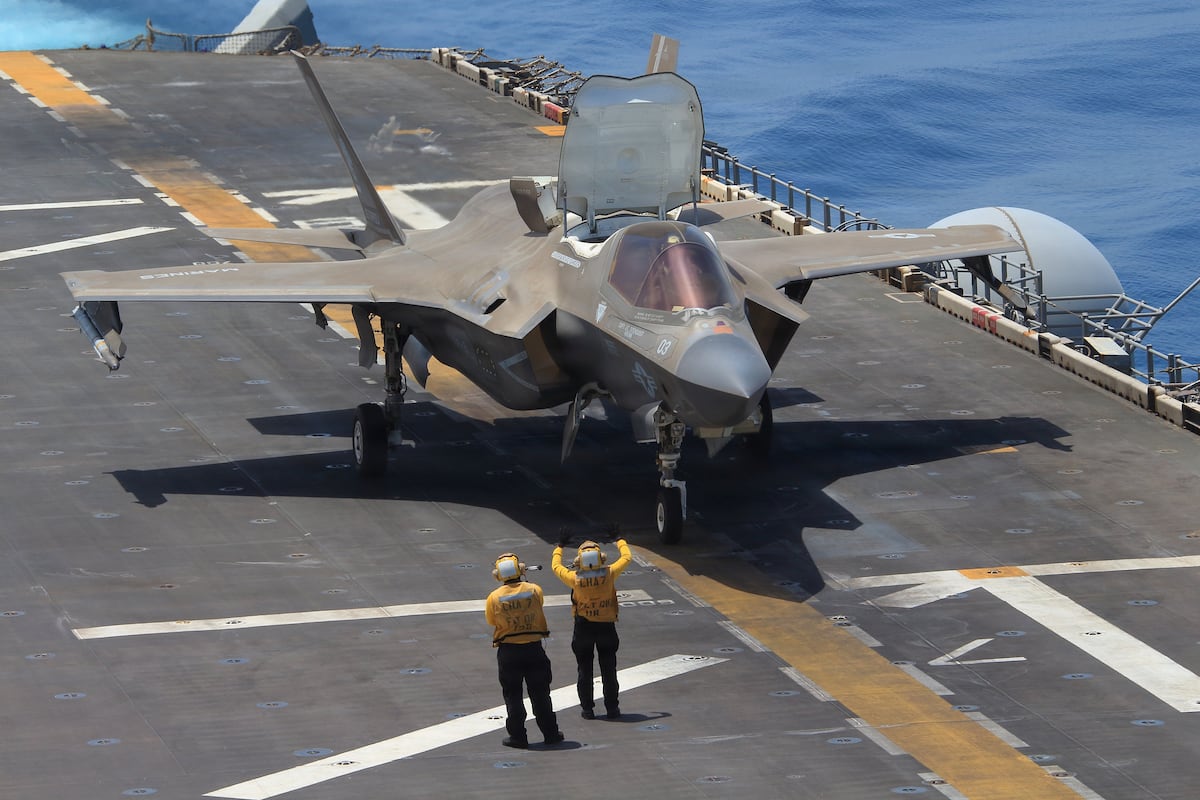
In a significant affirmation of its capabilities, the F-35 Lightning II has demonstrated its combat readiness during recent deployments in the Middle East, according to Air Force officials. This revelation comes at a crucial time as the global defense landscape evolves, and the need for advanced, multi-role fighters becomes increasingly paramount. The F-35, known for its stealth, advanced avionics, and networked warfare capabilities, has not only proven its worth in simulated environments but has also delivered on the battlefield, reinforcing the United States' strategic military posture in a region often marked by volatility.
The F-35 program, which has faced its share of scrutiny and challenges over the years, is now at a pivotal juncture. With numerous upgrades and enhancements implemented to address earlier concerns, this aircraft showcases the U.S. military's commitment to investing in next-generation technology that can operate effectively in contested environments. The successful deployments in the Middle East serve as a testament to the fighter's operational readiness and adaptability, crucial traits as the U.S. seeks to deter adversaries and reassure allies in a rapidly changing security environment.
From an economic perspective, the F-35 program represents not only a cornerstone of U.S. military strength but also a significant investment in the future of the aerospace and defense industries. The program has stimulated job growth, advanced manufacturing techniques, and fostered innovation across a network of suppliers and contractors. As countries around the world eye modernization of their own air forces, the F-35's operational success may position it as a desirable option for allied nations seeking to enhance their military capabilities, thereby expanding the market for this advanced aircraft.
Moreover, the F-35's ability to operate seamlessly with allied forces underscores the importance of interoperability in modern warfare. As coalition operations become more frequent, the capability of U.S. aircraft to communicate and coordinate with international partners is critical. The success of the F-35 in the Middle East reinforces the notion that the U.S. military is not only prepared to lead but also to collaborate effectively in joint operations, which can enhance deterrence strategies and collective defense agreements.
Looking ahead, the implications of these successful deployments extend beyond immediate military applications. The performance of the F-35 could influence future defense budgets and procurement strategies, as stakeholders weigh the costs of maintaining legacy platforms versus investing in cutting-edge technologies. Additionally, as the U.S. continues to engage in international partnerships, the F-35's track record may encourage further collaboration in defense technology development, aligning with global efforts to enhance security and stability.
In conclusion, the F-35's proven combat readiness during its Middle East deployments is more than just a success story for the aircraft itself; it signifies a broader narrative about the future of air defense and military strategy. As nations adapt to new threats and technological advancements, the lessons learned from these operations will undoubtedly shape the next generation of defense initiatives and international defense relations.



