Epirus, GD And Kodiak Unveil Autonomous Directed Energy System For Domestic C-UAS Use
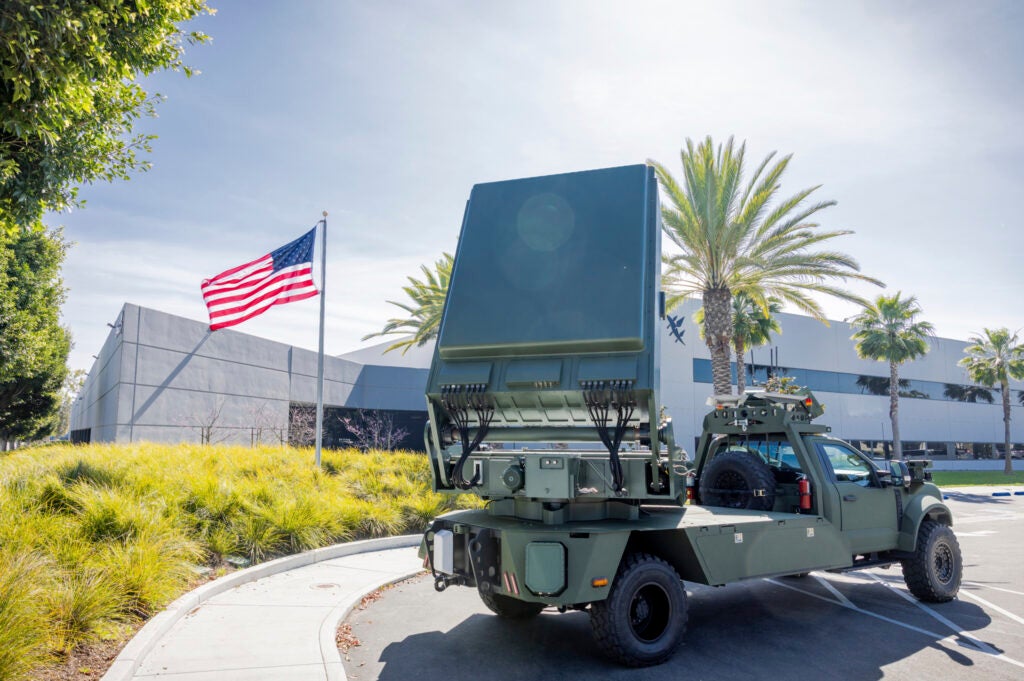
In an era where the threat landscape is evolving at an unprecedented pace, the unveiling of a new autonomous directed energy system by Epirus, General Dynamics (GD), and Kodiak marks a significant milestone in the defense sector. This innovative technology, designed for counter-unmanned aerial systems (C-UAS) operations within domestic environments, reflects a crucial shift toward advanced deterrence mechanisms that integrate cutting-edge capabilities and automation. As security challenges multiply, the collaboration between these industry leaders could redefine how the military and law enforcement agencies protect critical assets from aerial threats.
The partnership between Epirus, GD, and Kodiak underlines the growing recognition that traditional defense methods may not suffice in the face of increasingly sophisticated and accessible drone technologies. The directed energy system, which utilizes high-powered microwave technology, offers a potentially game-changing solution. Unlike conventional kinetic interceptors, this system can disable drones without causing collateral damage to surrounding infrastructure or the environment, aligning with modern operational requirements for precision and restraint.
In recent years, the proliferation of commercial drones has raised alarms within both military and civilian sectors. These aerial platforms, often inexpensive and easy to deploy, pose significant risks ranging from espionage to potential attacks on critical infrastructure. As such, the introduction of an autonomous solution that can engage these threats effectively and safely is not just timely; it is essential. By providing law enforcement and military personnel with an automated means of neutralizing aerial threats, this technology enhances situational awareness and response capabilities in fast-paced environments.
Moreover, this development highlights a broader trend within the defense industry: the increasing reliance on automated systems to augment human decision-making and operational effectiveness. The integration of artificial intelligence and machine learning into C-UAS technologies represents a significant leap forward, allowing for faster response times and improved operational efficiency. As the defense community continues to embrace these advancements, companies involved in defense technology must adapt to the changing landscape, ensuring their solutions remain relevant and effective.
Looking ahead, the implications of this partnership extend beyond immediate tactical advantages. As the defense and aerospace sectors continue to innovate, the integration of directed energy systems into broader defense strategies could influence procurement priorities and funding allocations at both the federal and state levels. The success of this autonomous system could pave the way for further investments in similar technologies, ultimately strengthening national security frameworks against a backdrop of evolving threats.
In conclusion, the collaboration between Epirus, GD, and Kodiak in unveiling this autonomous directed energy system is a pivotal development in the ongoing battle against unmanned threats. As the defense sector seeks to modernize and adapt, this initiative could serve as a blueprint for future innovations in defense technology. The successful deployment of such systems will not only enhance operational capabilities but also foster a new era of safety and security in an increasingly complex world.