Dutch Navy to equip fleet with Destinus C-UAS interceptor drones
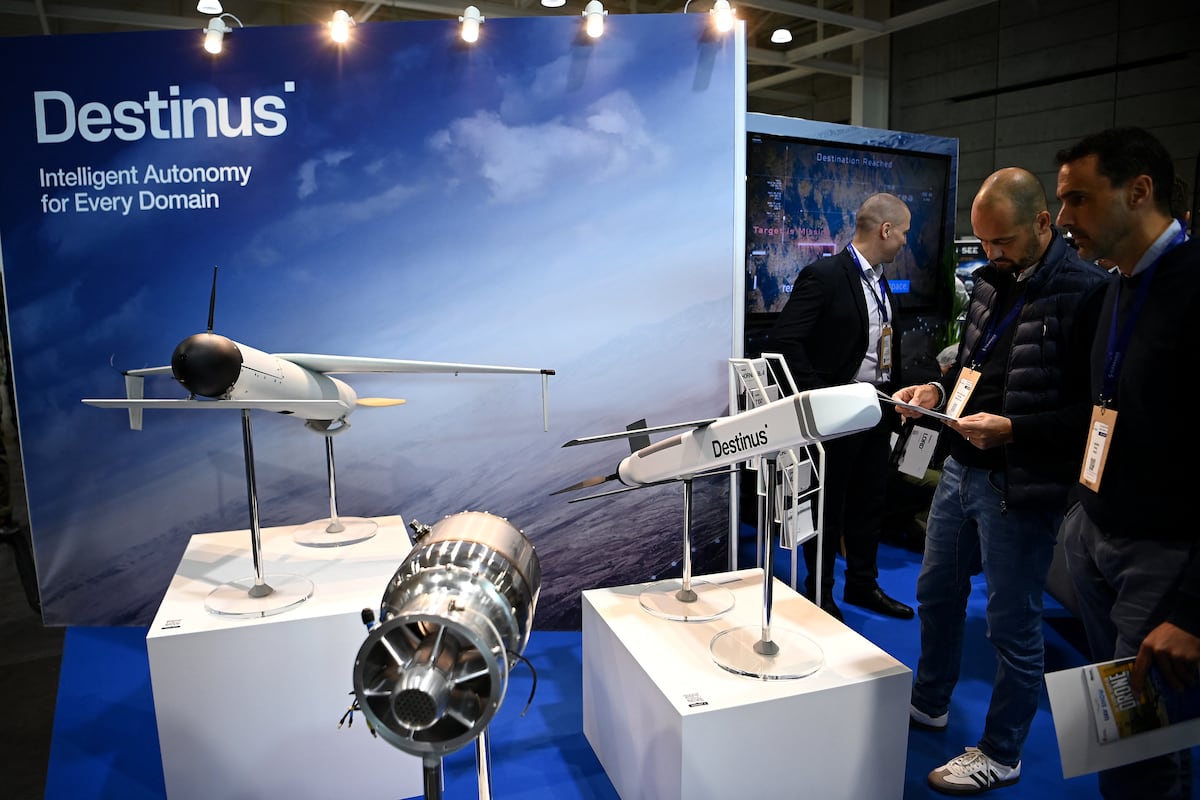
In a significant move that underscores the shifting dynamics of modern warfare and defense technology, the Dutch Navy has announced its intention to equip its naval fleet with cutting-edge Destinus C-UAS interceptor drones. This decision comes amid rising global concerns about the proliferation of unmanned aerial systems (UAS) and their potential threats to naval operations. By integrating these advanced drones into their operational framework, the Dutch Navy is not only enhancing its defensive capabilities but also setting a precedent for other nations grappling with similar challenges.
The Destinus C-UAS interceptor drones are designed to detect, track, and neutralize hostile drones, a task that has become increasingly critical in light of recent conflicts where drone warfare has played a pivotal role. These drones utilize advanced sensor technology and artificial intelligence to identify threats in real-time, allowing for a swift and effective response. As drone technology continues to evolve, the ability to intercept and neutralize adversary drones will be essential for maintaining operational superiority in maritime environments.
This strategic decision by the Dutch Navy also reflects a broader trend within NATO and allied forces to adopt innovative solutions for modern threats. As unmanned systems become more sophisticated and accessible, traditional defense strategies are being re-evaluated. The integration of drone interception capabilities aligns with NATO's emphasis on collective security and technological readiness, ensuring that member nations are well-prepared for future conflicts. The Dutch Navy's move could serve as a catalyst for similar investments in other European nations, potentially leading to a unified approach in counter-drone strategies across the continent.
Moreover, the investment in the Destinus C-UAS not only enhances military readiness but also signals opportunities for defense contractors and technology firms. As nations ramp up their defense spending and invest in advanced technologies, there is a growing demand for innovative solutions in the defense sector. Companies involved in drone technology, AI integration, and maritime defense systems are likely to see increased interest from government contracts, positioning themselves at the forefront of a rapidly evolving market.
Looking ahead, the successful implementation of the Destinus C-UAS within the Dutch Navy could pave the way for further advancements in drone technology, particularly in the realm of autonomous systems. As operational scenarios become more complex, the ability to integrate multiple platforms for intelligence, surveillance, and reconnaissance (ISR) will be crucial. The Dutch Navy's initiative may not only enhance its own capabilities but also influence global defense strategies, prompting a reevaluation of how naval forces adapt to new technological realities.
In conclusion, the Dutch Navy's decision to equip its fleet with Destinus C-UAS interceptor drones marks a pivotal moment in the evolution of maritime defense. As the landscape of warfare continues to shift, the focus on advanced drone technology will be paramount for maintaining security and operational effectiveness. The implications of this move extend beyond the immediate benefits to the Dutch Navy, potentially shaping the future of defense strategies and technological investments across Europe and beyond.