
Drones and autonomous warfare: ‘One-way attack’ and reshaping ISR
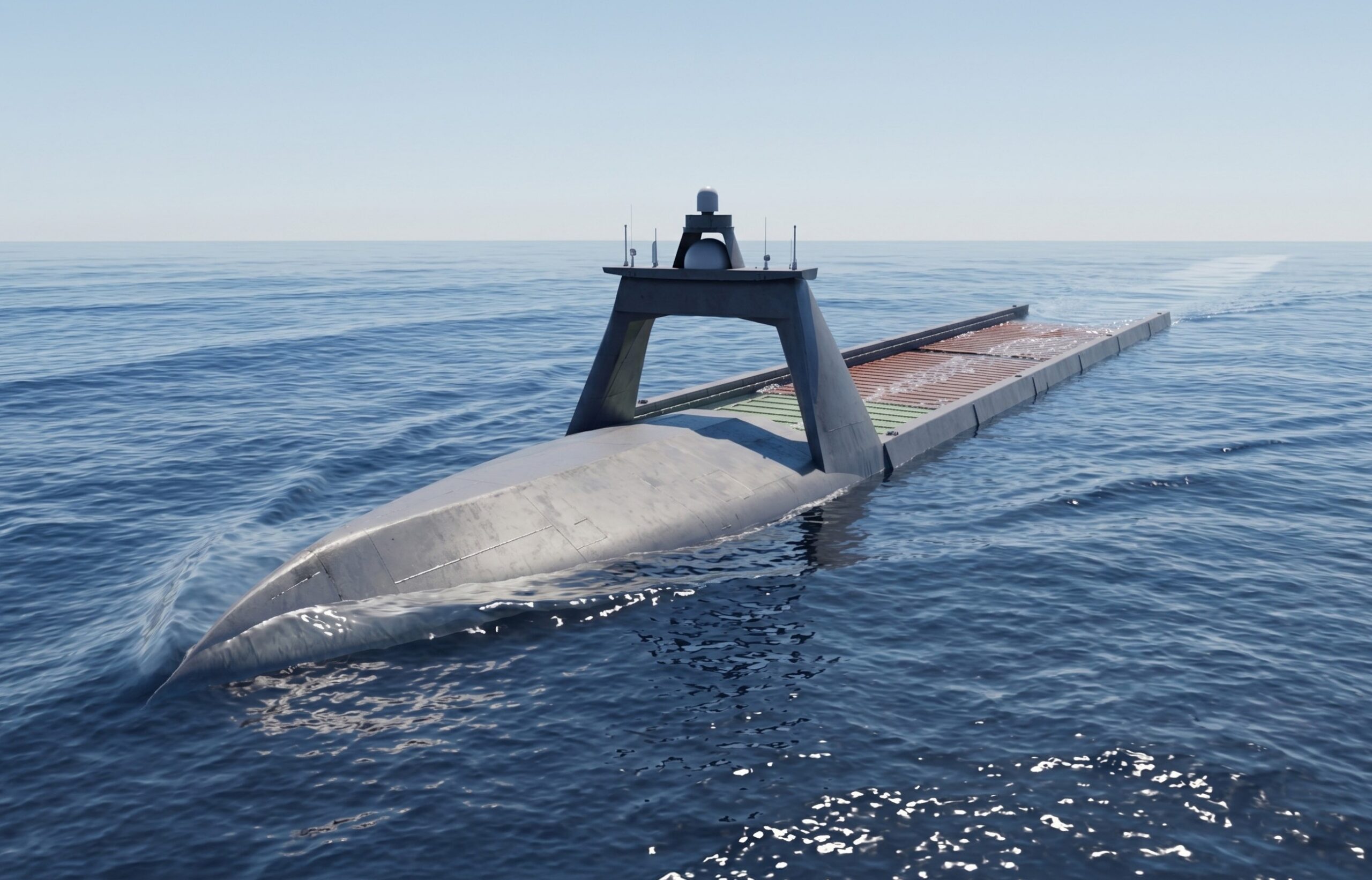
In the rapidly evolving landscape of modern warfare, drones and autonomous systems are reshaping the battlefield in ways previously thought unimaginable. The concept of a 'one-way attack' drone—a system designed to carry out its mission at the cost of its own destruction—marks a significant shift in military strategy. As defense budgets tighten and the demand for cost-effective solutions grows, these expendable unmanned aerial vehicles (UAVs) are becoming more than just a supplement to traditional forces; they are emerging as a core component of modern combat operations.
The implications of this shift extend far beyond mere tactics. As highlighted in recent discussions among defense experts, the introduction of one-way attack drones offers a compelling solution to the challenges of affordability and mass deployment. These systems can be produced at a fraction of the cost of traditional platforms, allowing militaries to field larger fleets that can saturate enemy defenses. This transition not only provides a strategic advantage but also aligns with the increasing emphasis on attritable systems—those designed to be low-cost and expendable—facilitating a new era of warfare where quantity can compensate for technological superiority.
Moreover, the integration of these drones into intelligence, surveillance, and reconnaissance (ISR) operations is transforming how military leaders gather and act on battlefield data. With their ability to penetrate contested environments, one-way attack drones can provide real-time intelligence while simultaneously executing strike missions. This dual capability not only enhances situational awareness but also allows for more dynamic and responsive operations, effectively reshaping the ISR landscape. The importance of this cannot be overstated; as adversaries continue to develop sophisticated countermeasures, the ability to adapt and employ diverse platforms will be crucial for maintaining operational effectiveness.
From a sustainment perspective, the rise of low-cost drones offers an avenue for keeping fleets operational without the heavy financial burden associated with traditional aircraft. With a focus on affordability, military planners can prioritize maintaining larger inventories of these systems, ensuring readiness without overextending budgets. The potential for rapid manufacturing and deployment of one-way attack drones also supports a more agile supply chain, enabling militaries to respond quickly to emerging threats and operational demands.
As we look to the future, the implications of drones and autonomous warfare are profound. The defense industry must adapt to these changes, embracing innovation in design and manufacturing processes to capitalize on the benefits of affordable mass production. Investors and stakeholders in the aerospace and defense sectors should be keenly aware of the opportunities presented by these technologies, as they are likely to define the next generation of military capabilities. The evolution towards one-way attack drones and advanced ISR systems is not just a trend; it represents a fundamental shift in how wars will be fought, necessitating a proactive approach from all players in the defense ecosystem.
In conclusion, the landscape of military operations is undergoing a seismic shift as drones and autonomous systems take center stage. With the potential to reshape strategies, enhance operational efficiency, and ensure cost-effectiveness, the future of defense is increasingly reliant on the integration of affordable, attritable technologies. As we move forward, the key will be balancing innovation with sustainable practices, ensuring that military forces remain ready, resilient, and capable in an increasingly complex world.



