DoD’s Drone Dominance Programs Opens Lethality Prize Challenge For Group 1 UAS
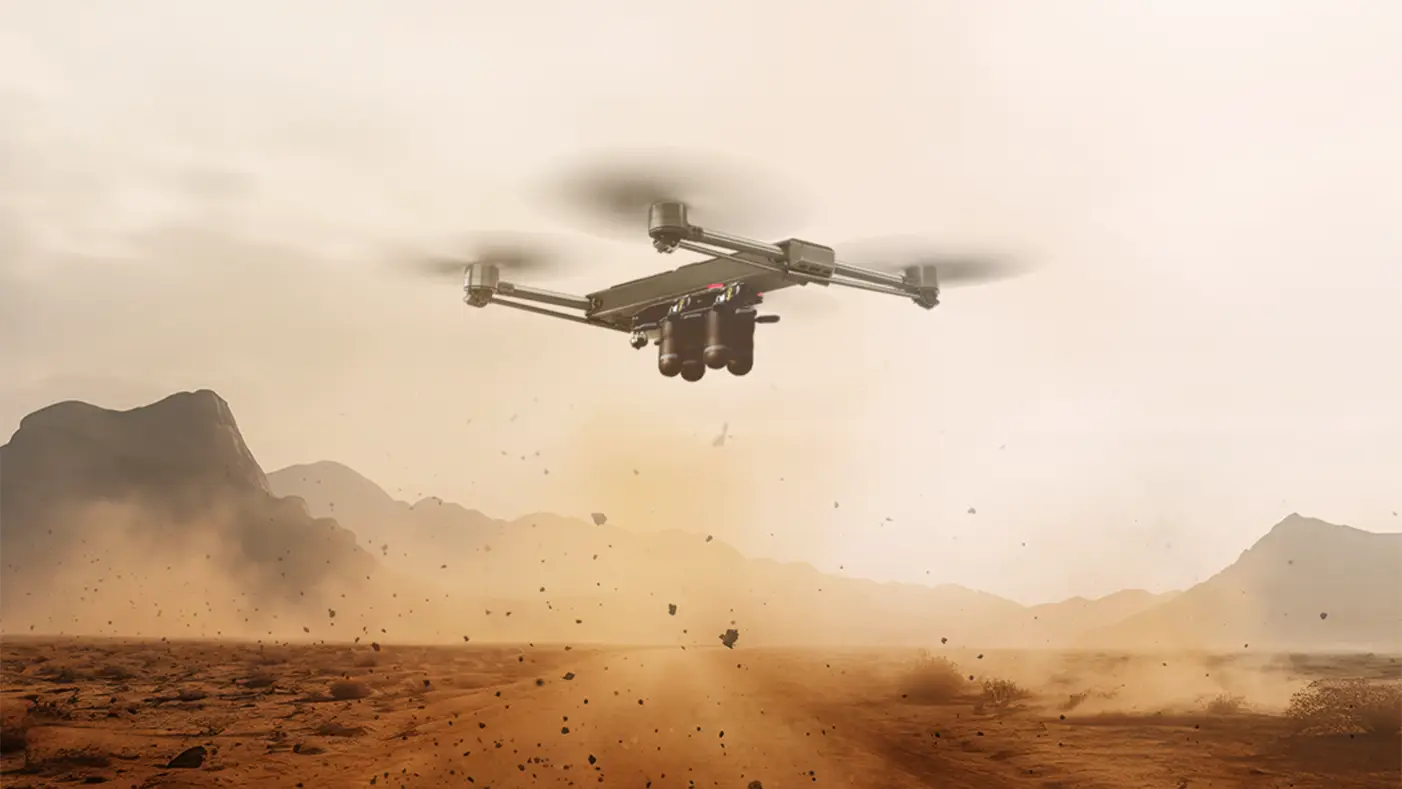
In a bold move that underscores the Department of Defense's (DoD) commitment to advancing drone technology, the Pentagon has announced the launch of a Lethality Prize Challenge specifically tailored for Group 1 Unmanned Aerial Systems (UAS). This initiative, part of the broader Drone Dominance Programs, aims to enhance the offensive capabilities of smaller drones, which have historically been viewed as supporting assets rather than frontline instruments of warfare. By inviting industry experts, innovators, and academics to participate in this challenge, the DoD is setting the stage for a new era of drone warfare that prioritizes agility, cost-effectiveness, and lethality.
The Lethality Prize Challenge is particularly significant as it seeks to leverage the burgeoning field of drone technology to address contemporary military needs. Group 1 UAS, defined as drones weighing less than 20 pounds, are increasingly recognized for their versatility in various operational environments. They can be deployed for reconnaissance, surveillance, and, importantly, precision strikes. By focusing on enhancing the lethality of these smaller drones, the DoD is acknowledging a shift in military strategy, where swarms of less expensive, easily deployable drones can create asymmetric advantages against larger, traditional forces.
This initiative comes at a time when global military dynamics are rapidly evolving. The rise of near-peer competitors, coupled with the increasing prevalence of asymmetric warfare tactics, necessitates a reevaluation of how the U.S. military approaches its aerial capabilities. The cost-effectiveness of Group 1 UAS makes them attractive for rapid deployment and operational flexibility, providing a potential solution to budget constraints faced by defense agencies. By fostering innovation through this prize challenge, the DoD is not only encouraging technological advancements but also inviting new players into the defense space, which could lead to groundbreaking developments in drone capabilities.
The implications of this challenge extend beyond mere technology; they touch on the future landscape of defense contracting and investment. As the DoD opens its doors to non-traditional defense contractors and innovators, there is an opportunity for venture capitalists and tech entrepreneurs to engage with military applications of drone technology. This could catalyze a wave of investment in UAS technologies, driving down costs and accelerating the pace of innovation. Additionally, the focus on lethality may spur the development of more sophisticated systems that integrate artificial intelligence, machine learning, and advanced navigation technologies, further enhancing the operational effectiveness of UAS.
As the DoD moves forward with the Lethality Prize Challenge, it will be essential for stakeholders across the defense and aerospace sectors to remain engaged and proactive. The outcomes of this initiative could redefine the role of unmanned systems in military operations and influence strategic decisions for years to come. The challenge serves as a clarion call for innovation, collaboration, and investment in the defense sector. For builders, investors, and military professionals, the question will be not only how to respond to this challenge but also how to anticipate and shape the future of aerial combat in an increasingly complex global landscape.