
DoD Begins Falcon Peak Counter-Drone Experiment With Focus On Southern Border
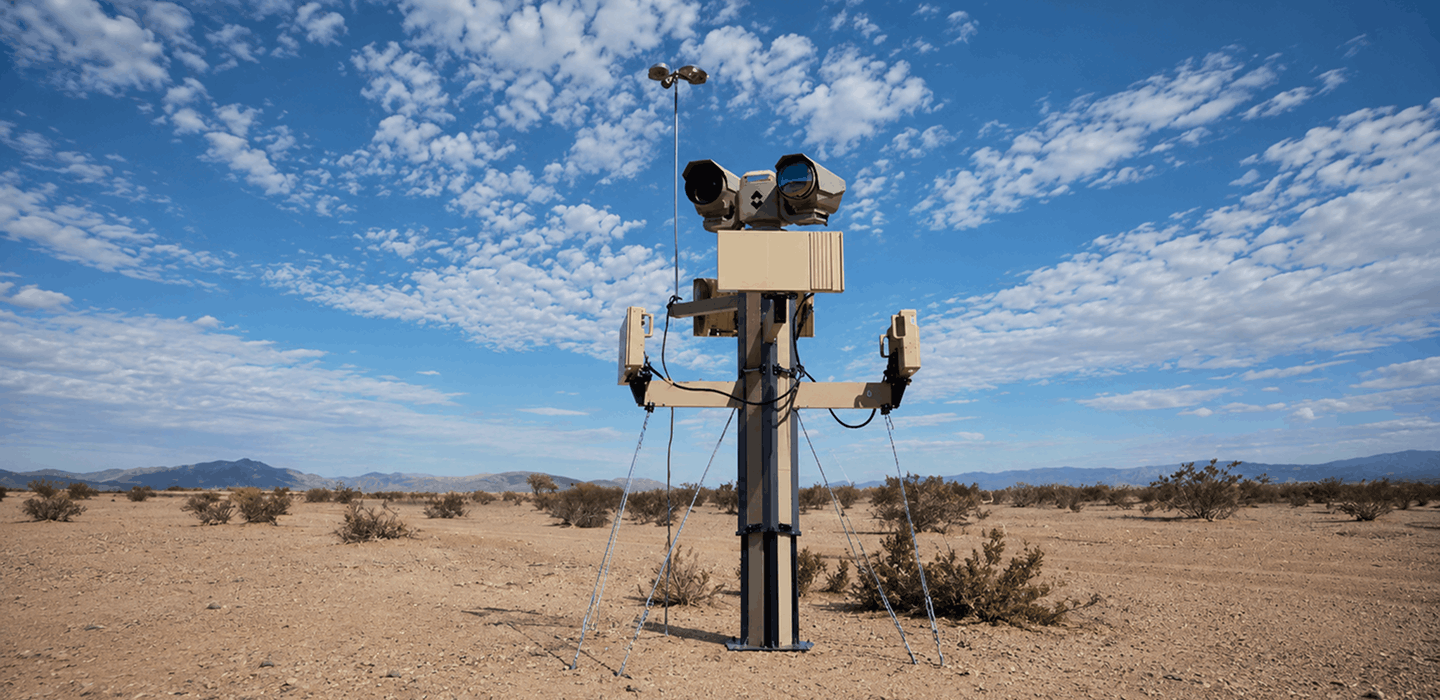
In an era where unmanned aerial vehicles (UAVs) have transitioned from novelty to necessity, the Department of Defense (DoD) has initiated the Falcon Peak counter-drone experiment, strategically aimed at safeguarding the southern border of the United States. This timely endeavor reflects a growing recognition of the multifaceted threats posed by drone technology, ranging from illegal drug smuggling to potential terrorist activities. As the operational landscape evolves, so too must our defenses, and Falcon Peak represents a proactive step toward addressing these challenges head-on.
The backdrop of this initiative is critical. The southern border has long been a focal point for law enforcement and homeland security, but the introduction of drones into the mix complicates surveillance and enforcement efforts. Drones can traverse vast distances quickly and with relative stealth, making them an attractive option for illicit activities. By focusing on counter-drone capabilities, the DoD is not only enhancing border security but also setting a precedent for future military and civilian applications of drone defense.
Falcon Peak is particularly noteworthy as it is designed to evaluate various counter-drone technologies in a real-world environment. These experiments will likely involve a combination of detection, tracking, and neutralization tactics, leveraging advancements in radar systems, electronic warfare, and even kinetic interceptors. The outcome of these tests could provide invaluable data that informs future defense contracts and technology investments, making it essential reading for builders and investors in the defense and aerospace sectors.
Moreover, the implications of Falcon Peak extend beyond the immediate security concerns at the southern border. As drone technology proliferates, the potential for misuse increases, necessitating a robust framework for countermeasures. The lessons learned from this experiment could translate into broader strategies applicable to urban settings, military theaters, and critical infrastructure protection. With the global drone market expected to grow exponentially in the coming years, the DoD's proactive stance could serve as a model for other nations grappling with similar issues.
As we look toward the future, the Falcon Peak initiative underscores the necessity of innovation in defense strategies. It highlights the importance of adaptability in the face of evolving threats and the need for interdisciplinary collaboration among technologists, military strategists, and policymakers. The defense industry is at a pivotal juncture; those who invest in and develop effective counter-drone technologies will be at the forefront of shaping the future of security. The outcome of Falcon Peak could very well signal a paradigm shift in how we approach aerial threats, reinforcing the need for vigilance and investment in advanced defense capabilities.
In conclusion, the Falcon Peak counter-drone experiment is more than a localized effort to secure the southern border; it is a critical examination of our national security strategies in an age dominated by rapid technological advancement. The defense and aerospace communities must pay close attention to the outcomes of this initiative, as it may influence future innovations and investments in counter-UAV technologies across various sectors.



