DIU Awards $159 Million For Hermeus To Demonstrate High-Mach Flight And Payload Release
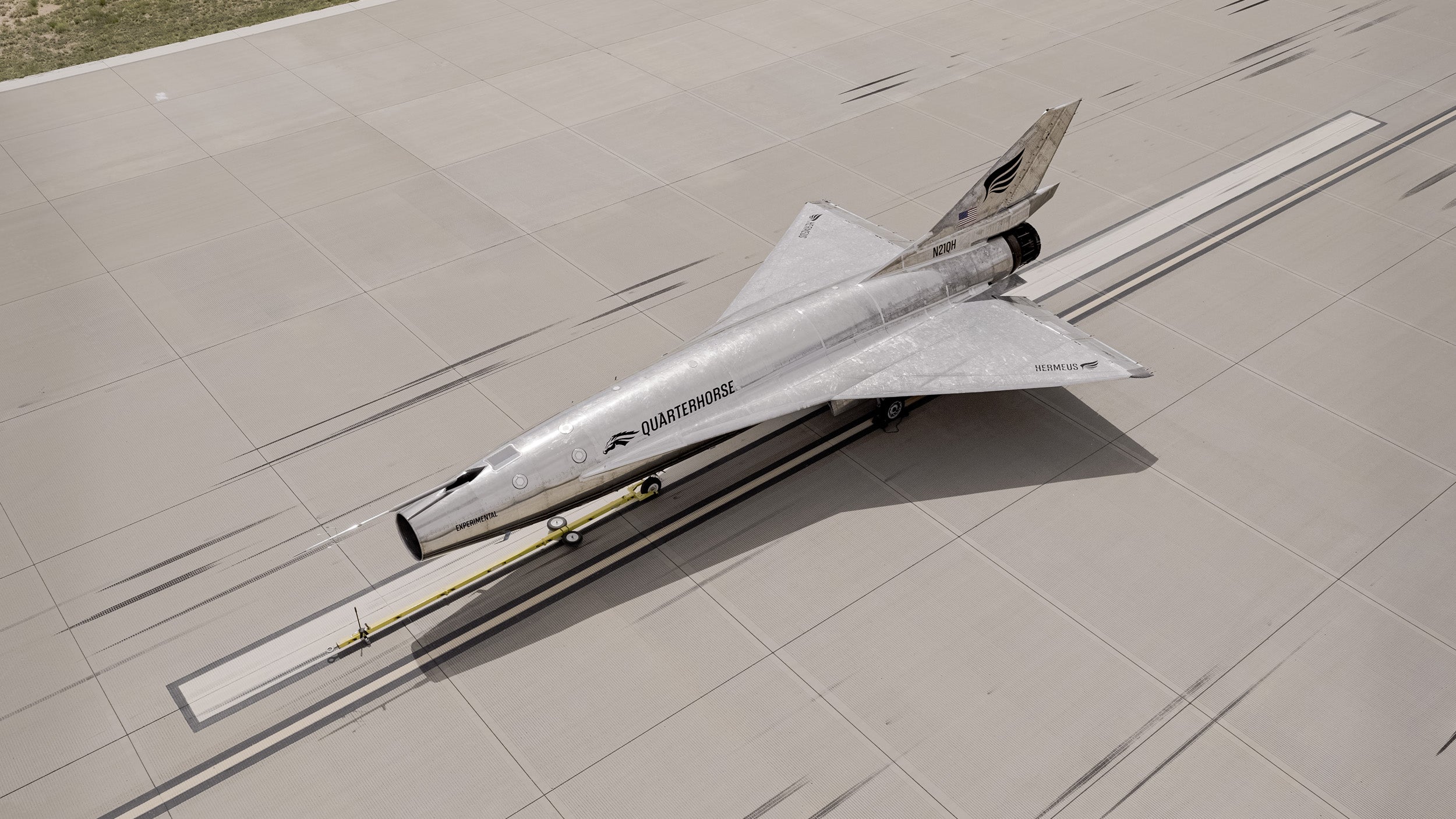
In a landmark move underscoring the Pentagon's commitment to cutting-edge aerospace technology, the Defense Innovation Unit (DIU) has awarded Hermeus a substantial contract worth $159 million. This funding is aimed at demonstrating high-Mach flight capabilities and payload release systems, a pivotal step towards revolutionizing rapid response and logistics in national defense. As global threats evolve, the demand for faster, more efficient military operations has never been greater, and Hermeus is positioned to meet this critical need.
Hermeus, a company at the forefront of hypersonic flight technology, is developing the Quarterhorse, a vehicle designed to reach speeds exceeding Mach 5. This capability not only promises to enhance military readiness but also opens avenues for civilian applications in air travel, potentially shrinking global travel times from hours to minutes. The implications of such technology extend beyond mere speed; they challenge the traditional paradigms of air superiority and logistical support in defense operations, allowing for rapid deployment of personnel and resources to far-flung locations.
The funding from DIU reflects a strategic pivot within the Department of Defense, emphasizing the importance of public-private partnerships in advancing military capabilities. As traditional defense contractors face increasing scrutiny over cost overruns and delays, innovative startups like Hermeus offer agility and creativity, essential ingredients for modern warfare. The potential for high-Mach flight capabilities to transform defense logistics—enabling real-time payload delivery to combat zones—could significantly alter the landscape of military operations, making this initiative a priority for defense stakeholders.
Moreover, this investment aligns with broader trends in the aerospace sector, where speed and efficiency are paramount. As nations invest heavily in hypersonic technology, the United States must maintain its competitive edge. Collaborations like this one between DIU and Hermeus not only foster innovation but also ensure that American defense capabilities are at the forefront of technological advancements. The emphasis on rapid prototyping and iterative development could yield results that significantly enhance national security in a relatively short timeframe.
Looking ahead, the success of Hermeus in achieving high-Mach flight and effective payload release could pave the way for a new era in military aviation. If successful, the Quarterhorse could serve as a model for future airframes, integrating advanced materials and propulsion systems designed for speed. For investors and builders in the aerospace and defense sectors, this represents a critical opportunity to engage with a rapidly evolving market that values innovation and speed. As the project progresses, it will be essential for all stakeholders to monitor the results of these tests closely, as they could set the stage for the next generation of defense aviation technology.
In conclusion, the DIU's investment in Hermeus is not just a financial commitment; it is a forward-looking strategy that could redefine the operational capabilities of the U.S. military. As the challenges of modern warfare continue to evolve, initiatives like these will be crucial in ensuring that the United States remains a leader in aerospace technology and defense capabilities.