Defense Watch: NGI Concerns, Valkyrie CCA, ESB-8 Delivery, Counter-Drone Partners
In an era marked by rapid advancements in defense technology, the latest developments surrounding the Next Generation Interceptor (NGI), Valkyrie CCA, and the ESB-8 delivery underscore the complexities and challenges that the defense sector faces. The NGI program, which aims to replace the Ground-based Midcourse Defense (GMD) system, has encountered significant hurdles, raising concerns among industry stakeholders regarding its ability to meet critical timelines and performance expectations. With mounting pressure to enhance national security capabilities, the implications of these delays resonate far beyond the confines of project management, potentially affecting the broader defense landscape.
The NGI's struggles are emblematic of a larger trend within the defense sector, where innovation must contend with bureaucratic inertia and budgetary constraints. As threats evolve, so too must the systems designed to counter them. The urgency to field effective missile defense solutions has never been greater, yet the challenges faced by NGI highlight the risks associated with ambitious technological endeavors. As the U.S. seeks to maintain its competitive edge, the need for reliable, timely delivery of defense systems is paramount. Investors and builders alike must pay close attention to these developments, as they could influence future funding and resource allocation.
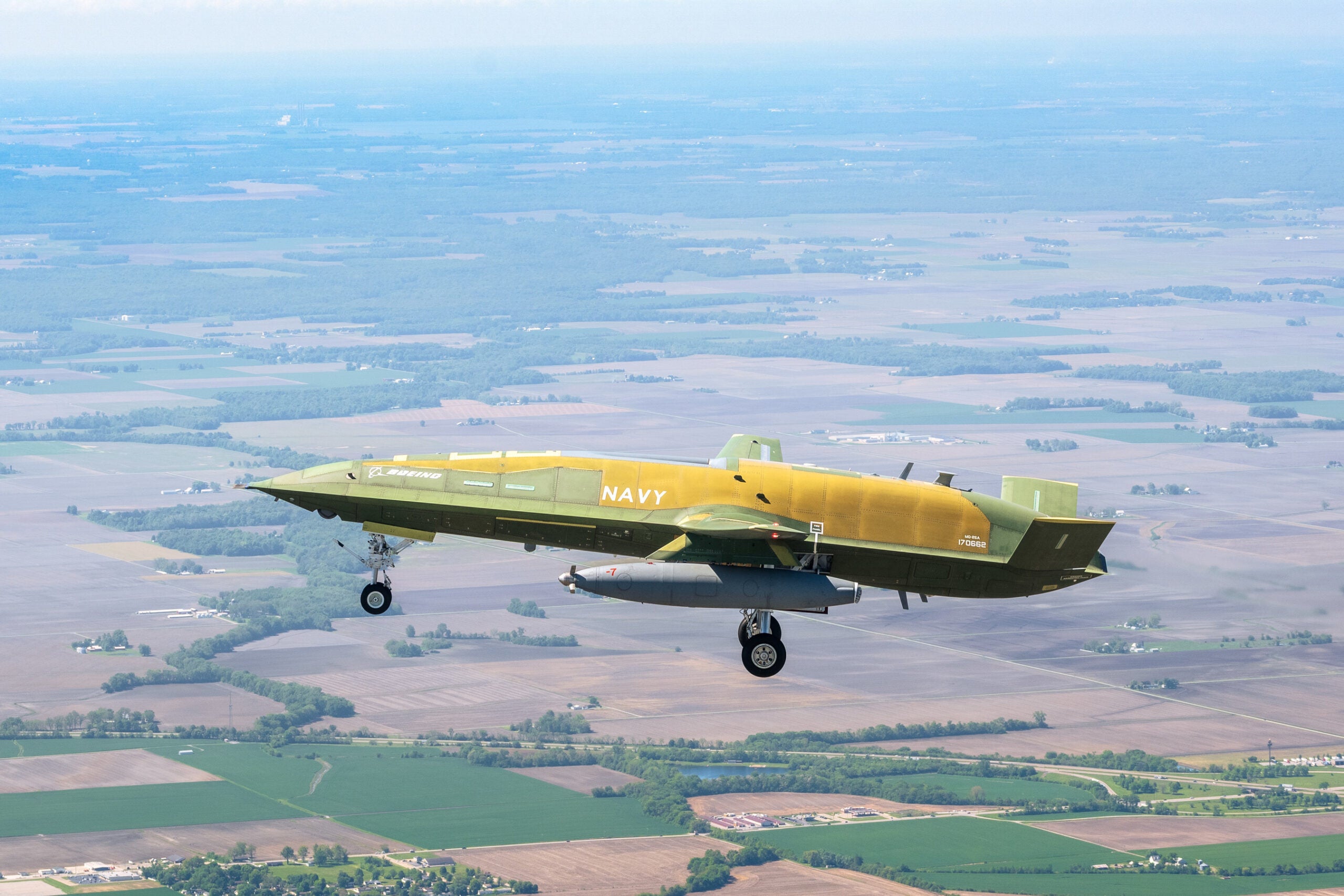
Meanwhile, the Valkyrie Collaborative Combat Aircraft (CCA) program continues to gain traction, showcasing the U.S. military's commitment to integrating advanced unmanned systems into its operational framework. These CCAs are designed to work alongside manned aircraft, providing enhanced situational awareness and strike capabilities. The potential for Valkyrie to transform the battlefield is immense, as it represents a shift toward swarm tactics and networked warfare. As defense budgets tighten, the ability to leverage such technologies could be a game changer, offering a cost-effective way to enhance air power without the proportional increase in expenditure.
Additionally, the recent delivery of the ESB-8, an Expeditionary Sea Base vessel, marks a significant milestone for the Navy, reinforcing the strategic importance of maritime operations. With the increasing necessity for naval capabilities in contested environments, the ESB-8 provides a versatile platform for various missions, including support for special operations and humanitarian assistance. The timely delivery of this asset not only bolsters U.S. maritime presence but also serves as a reminder of the importance of maintaining a robust supply chain and efficient procurement processes in defense acquisition.
Finally, the partnerships formed around counter-drone technologies highlight a growing recognition of the need to address emerging threats in the aerial domain. As the proliferation of drones increases, so too does the urgency for effective countermeasures. Collaborations between defense contractors and technology firms signal a proactive approach to developing solutions that can mitigate risks posed by unmanned aerial systems. This trend reflects a broader shift toward public-private partnerships, which can enhance innovation and accelerate the deployment of critical defense technologies.
In conclusion, the current landscape of defense technology is characterized by both challenges and opportunities. The issues surrounding the NGI program serve as a cautionary tale, reminding stakeholders of the intricate balance between ambition and feasibility. Conversely, initiatives like Valkyrie CCA and the ESB-8 delivery highlight the forward momentum within the sector. As we look ahead, it is essential for industry professionals to remain agile and responsive to these developments, ensuring that the defense community is equipped to navigate the complexities of modern warfare and maintain strategic superiority in an increasingly competitive global arena.