Defense startups raid auto and fracking sectors for parts to speed weapons output
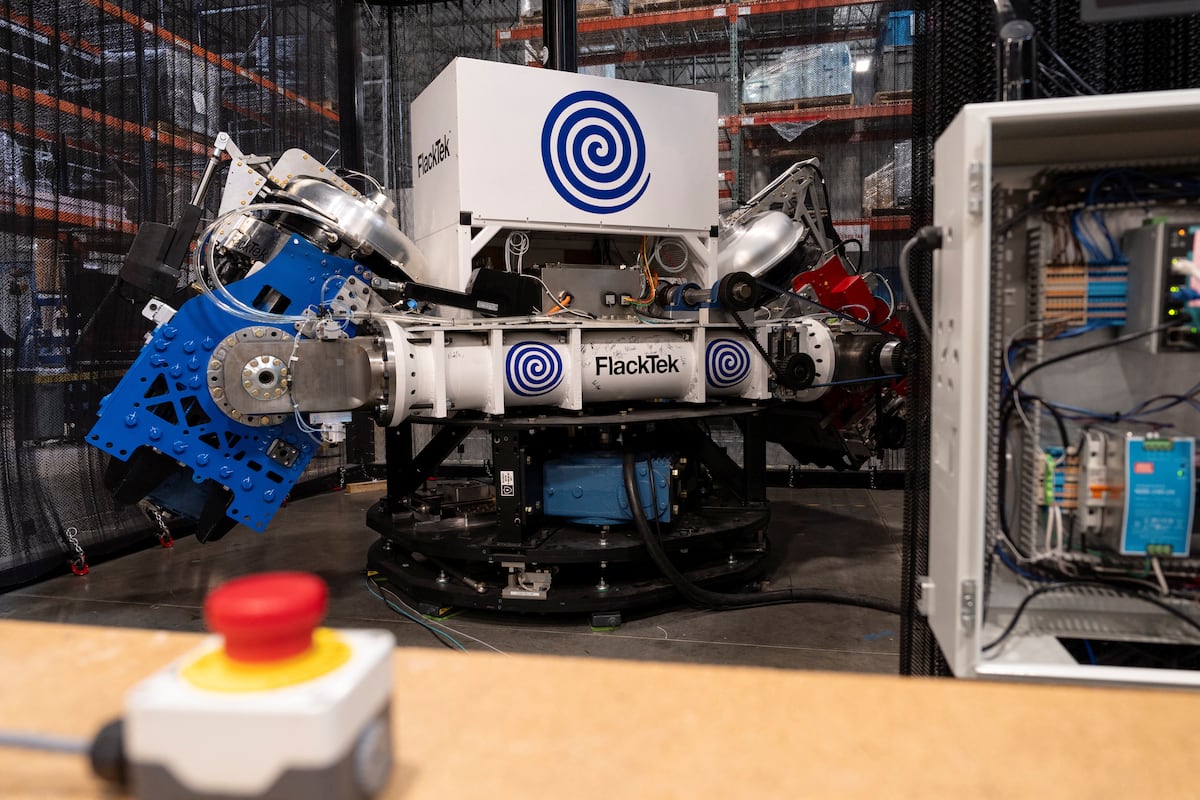
In an era characterized by rapid technological advancement and escalating geopolitical tensions, defense startups are increasingly looking beyond traditional military supply chains to meet the urgent demand for weapons systems. Recent reports indicate that these innovative firms are turning to the automotive and fracking sectors in their quest for parts, a move that highlights the growing convergence between disparate industries in the name of national security. As defense contractors grapple with supply chain disruptions and rising costs, the ability to source components from other sectors could prove pivotal in speeding up weapons output and enhancing military readiness.
The automotive and fracking industries boast sophisticated manufacturing processes and a diverse array of components that can be adapted for defense applications. For instance, the precision engineering techniques used in car production can be directly applied to the creation of advanced weaponry. Similarly, the robust materials developed for hydraulic fracturing equipment can enhance the durability and effectiveness of military hardware. By leveraging the expertise and innovations of these sectors, defense startups are not only circumventing supply chain bottlenecks but also fostering a culture of cross-industry collaboration that could redefine the future of defense manufacturing.
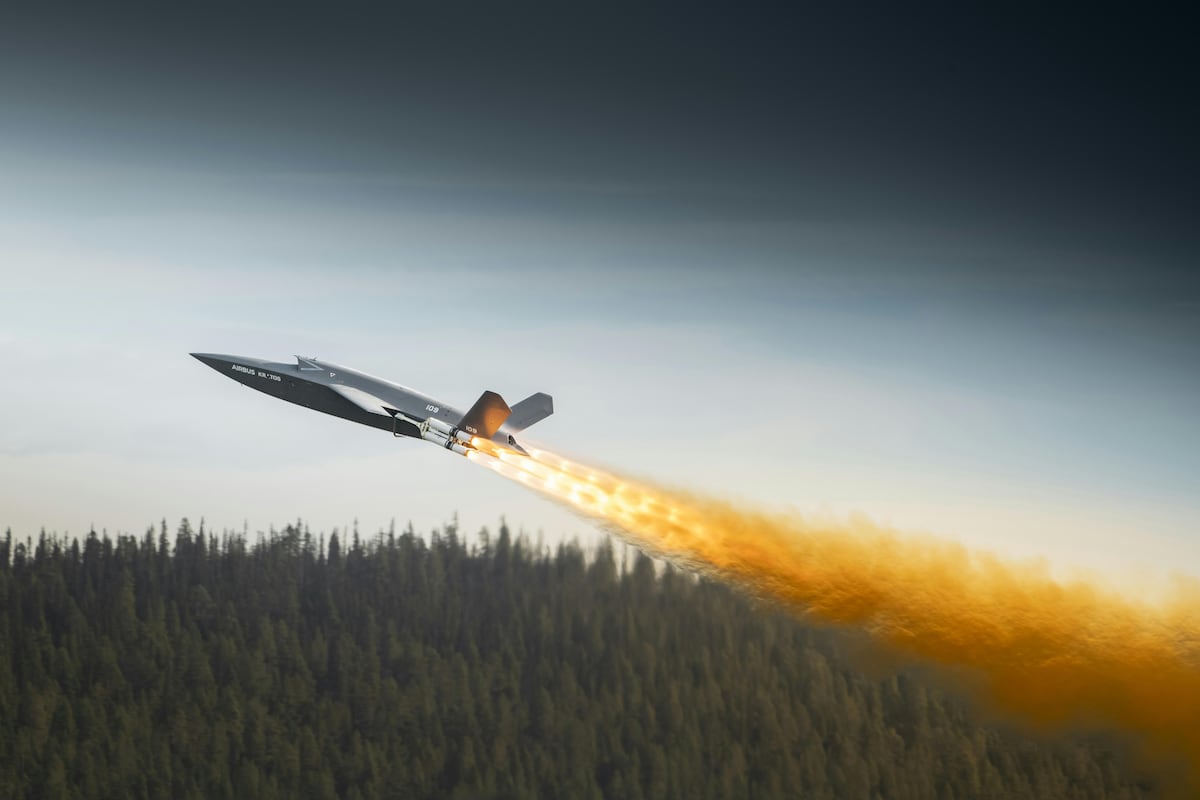
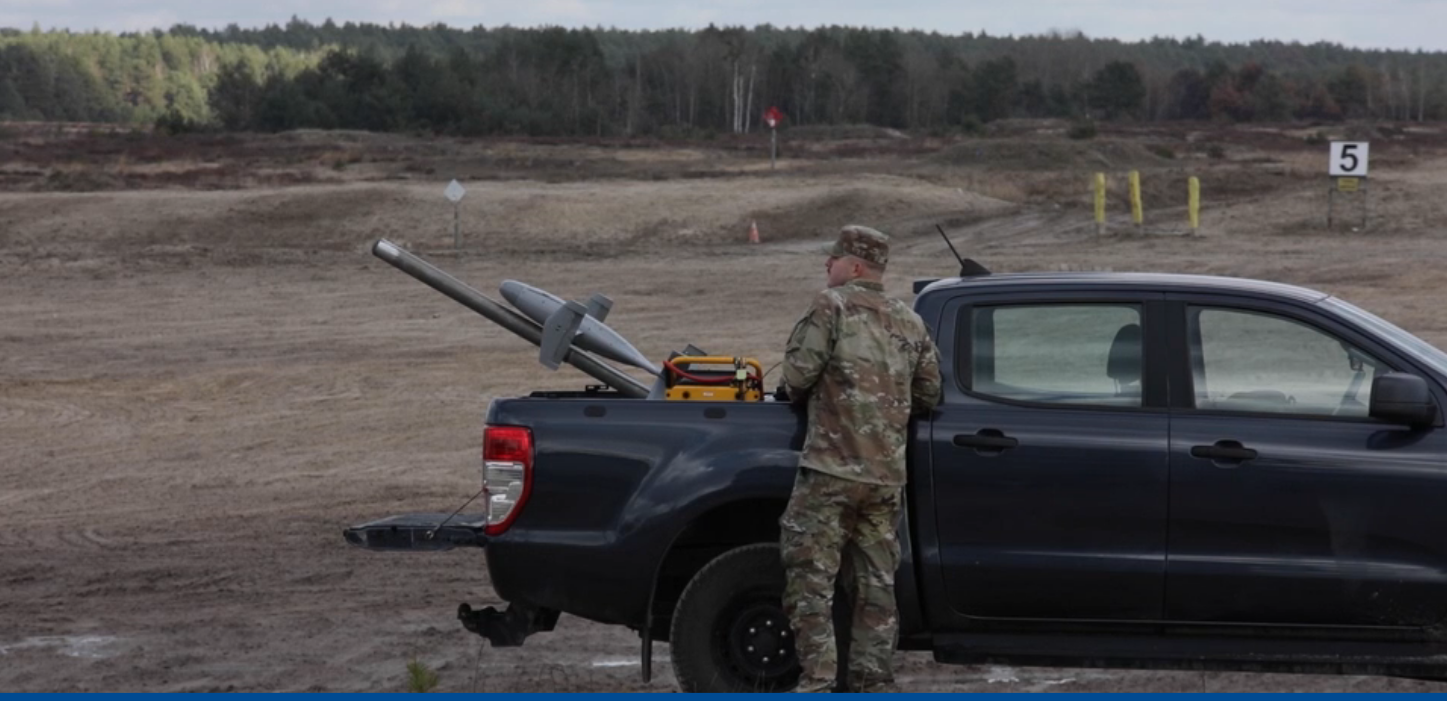
This trend is particularly significant in the context of recent global conflicts and the ongoing push for modernization within the U.S. military. The demand for advanced weaponry—ranging from precision-guided munitions to cutting-edge drones—has surged in response to new threats. Traditional defense contractors have struggled to keep pace, facing challenges such as labor shortages, regulatory hurdles, and delays in production. In this landscape, the agility of startups, combined with their willingness to innovate and adapt, positions them as essential players in the defense ecosystem. By tapping into non-defense sectors, these startups can not only enhance production capabilities but also accelerate the development of next-generation systems that keep pace with evolving threats.
Moreover, this strategy underscores a broader trend of dual-use technology, where innovations developed for civilian applications can be repurposed for military use. As defense budgets tighten and the geopolitical landscape becomes increasingly unpredictable, the ability to pivot quickly and effectively is paramount. By integrating technologies from the automotive and fracking industries, defense startups are demonstrating that agility and innovation can be leveraged to create a more responsive and resilient defense posture.
Looking ahead, as the defense sector continues to face mounting pressures, the collaboration between startups and other industries will likely deepen. This trend may lead to a more interconnected industrial base, where ideas and technologies flow freely across sectors, fostering innovation and efficiency. Ultimately, the ability to source parts and technologies from the automotive and fracking industries could very well determine the success of defense initiatives in the years to come. For investors and industry professionals, this presents a unique opportunity to support and participate in a transformative shift in defense manufacturing that prioritizes speed, efficiency, and adaptability.
In conclusion, the blending of automotive and fracking technologies into defense manufacturing is not merely a stopgap measure; it represents a forward-thinking approach to national security. As these sectors continue to converge, the implications for the defense industry are profound, potentially paving the way for a new era of military readiness driven by innovation and cross-sector collaboration.