Deadly Iran school strike casts shadow over Pentagon’s AI targeting push
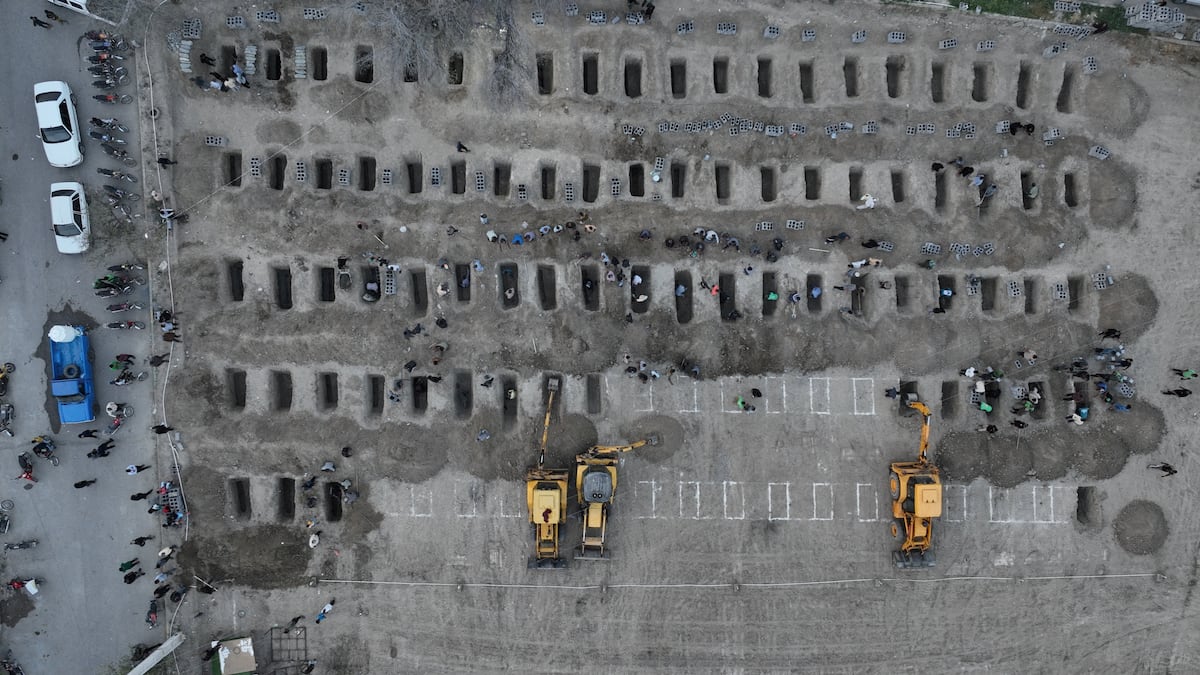
In recent weeks, the tragic bombing of a school in Iran has reignited a fierce debate over the Pentagon's advances in artificial intelligence (AI) and its application in military targeting. The incident, which resulted in significant civilian casualties, raises critical ethical questions regarding the use of AI in combat scenarios, particularly in environments where civilian populations are at risk. As the U.S. military seeks to modernize its operations through advanced technologies, this event serves as a stark reminder of the potential consequences of miscalculations in warfare and the urgent need for robust oversight and accountability.
The Pentagon's push for AI-enabled targeting systems has been framed as a means to enhance operational efficiency and effectiveness in complex battlefield environments. Proponents argue that these systems can process vast amounts of data to identify threats more quickly and accurately than human operators. However, the devastating outcome of the Iranian school strike underscores the inherent risks of relying on AI in high-stakes scenarios where the distinction between combatants and non-combatants can blur. The integration of AI into military strategy must not only focus on technological advancements but also emphasize ethical frameworks that prioritize the protection of civilians.
For defense industry professionals, this incident serves as a critical inflection point. The discourse surrounding AI in military applications is shifting from a purely tactical perspective to one that demands a comprehensive understanding of moral implications. Investors and builders in the defense sector must consider how AI technologies are developed and deployed, ensuring that their applications adhere to international humanitarian laws and ethical standards. The industry’s future will hinge not only on technological prowess but also on its commitment to responsible innovation.
Moreover, the Iranian school strike could have broader implications for U.S. foreign policy and military strategy. As the Pentagon confronts the challenges posed by adversarial nations, the need for precision in targeting will be paramount. However, the fallout from such tragic events may result in increased scrutiny of military operations, potentially stymieing the Pentagon’s ambitions to implement AI systems rapidly. The defense community must grapple with the possibility that public backlash against civilian casualties could lead to more stringent regulations governing the use of AI in military contexts.
Looking ahead, the defense and technology sectors must engage in a robust dialogue about the role of AI in warfare, ensuring that the lessons learned from the Iranian school strike inform future developments. Policymakers, technologists, and military leaders must work collaboratively to establish guidelines that enhance the effectiveness of AI while safeguarding civilian lives. The path forward must balance innovation with accountability, creating a military framework that not only leverages the advantages of AI but also upholds the ethical responsibilities that come with its use.
In conclusion, the tragic events in Iran highlight the pressing need for a reevaluation of how AI is integrated into military operations. As the Pentagon continues to pursue its AI targeting initiatives, it must do so with a heightened awareness of the ethical implications and a commitment to preventing civilian harm. The future of defense technology hinges on this balance, and the industry must rise to the challenge of ensuring that its innovations serve humanity rather than exacerbate conflicts.