DARPA developing hypersonic cruise missile to evade enemy air defenses
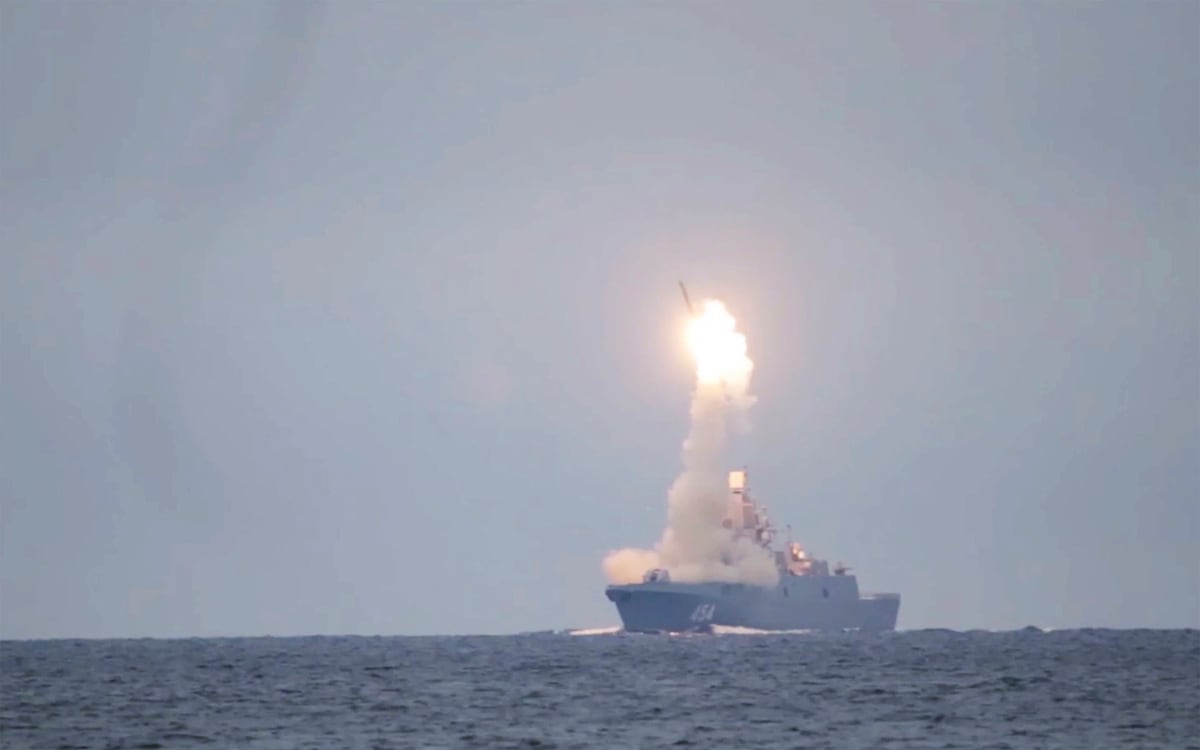
In a bold stride toward redefining modern warfare capabilities, the Defense Advanced Research Projects Agency (DARPA) has embarked on the development of a hypersonic cruise missile designed specifically to outmaneuver and evade increasingly sophisticated enemy air defenses. With the emergence of advanced anti-air technologies, the need for rapid and stealthy strike solutions has never been more critical. DARPA’s initiative not only underscores the urgency of hypersonic advancements but also reaffirms the United States' commitment to maintaining air superiority in a rapidly evolving conflict landscape.
The hypersonic cruise missile program aims to significantly enhance strike capabilities by utilizing speeds exceeding Mach 5, thereby enabling it to penetrate denial and deception measures that adversaries deploy. As traditional missile systems become more vulnerable to interception, hypersonic technology offers a game-changing solution that combines speed, agility, and unpredictability. This development aligns with a broader trend within the defense sector, where nations are racing to develop next-generation weapons that can operate outside the parameters of existing defense systems.
Why does this matter? The implications of such technology extend far beyond the battlefield. For defense contractors, investors, and policymakers, the advancement of hypersonic capabilities represents a pivotal moment in military strategy and defense procurement. As nations invest heavily in counter-hypersonic systems, the arms race is shifting towards a focus on both offensive and defensive capabilities. Companies involved in aerospace and defense will need to adapt swiftly to the changing dynamics, ensuring that their technologies remain relevant in the face of evolving threats and countermeasures.
Moreover, this initiative comes at a time when geopolitical tensions are on the rise, further emphasizing the necessity for advanced military capabilities. The ability to deliver precision strikes against high-value targets while evading complex air defense systems could provide the United States with a critical strategic advantage. As adversaries develop their own hypersonic technologies, the stakes are raised, making it imperative for U.S. defense agencies and contractors to collaborate effectively to stay ahead of the curve.
Looking ahead, the success of DARPA's hypersonic cruise missile program could set a new benchmark for military engagement strategies. As these technologies transition from concept to reality, the implications for defense contracts, international relations, and military preparedness will be profound. The defense industry must prepare for a future where speed is not just an asset but a necessity, shaping the way nations approach warfare and defense.
In conclusion, DARPA’s initiative is not merely an advancement in missile technology but a clarion call for the defense and aerospace sectors to innovate continuously. As we stand on the brink of a new era in military capabilities, the collaboration between government and industry will be essential in navigating the complexities of modern warfare. The hypersonic frontier is not just about speed; it is about redefining the very nature of conflict itself.