Crunchbase Data: Global Startup Investment Hit Record $510B In H1 2026 As AI Boom Accelerates Funding And Exits

In an unprecedented surge, global startup investments have reached a staggering $510 billion in the first half of 2026, according to a recent report by Crunchbase News. This monumental figure not only underscores the explosive growth of the venture capital landscape but also highlights the accelerating wave of innovation, particularly in artificial intelligence (AI). As the tech community witnesses this funding boom, the implications extend far beyond Silicon Valley, penetrating industries such as defense and aerospace, where cutting-edge technologies are increasingly vital.
The AI boom is reshaping the investment landscape, acting as a catalyst for both funding and exits. With venture capitalists eagerly backing AI-driven startups, the defense and aerospace sectors stand to gain immensely. Advanced AI applications are pivotal in enhancing capabilities in autonomous systems, cybersecurity, and data analytics—areas critical to national security. Investors are recognizing that the intersection of AI with these industries not only promises substantial financial returns but also addresses pressing defense challenges in an era of rapid technological advancement.
Moreover, the significant uptick in mergers and acquisitions (M&A) and initial public offerings (IPOs) in the first half of 2026 indicates a robust appetite for innovation. Startups are not just receiving funding; they are also providing established defense contractors and aerospace firms with opportunities to integrate new technologies, streamline operations, and improve product offerings. This convergence of capital and innovation is crucial for maintaining competitive advantages in global markets, particularly as geopolitical tensions rise and the demand for advanced defense solutions escalates.
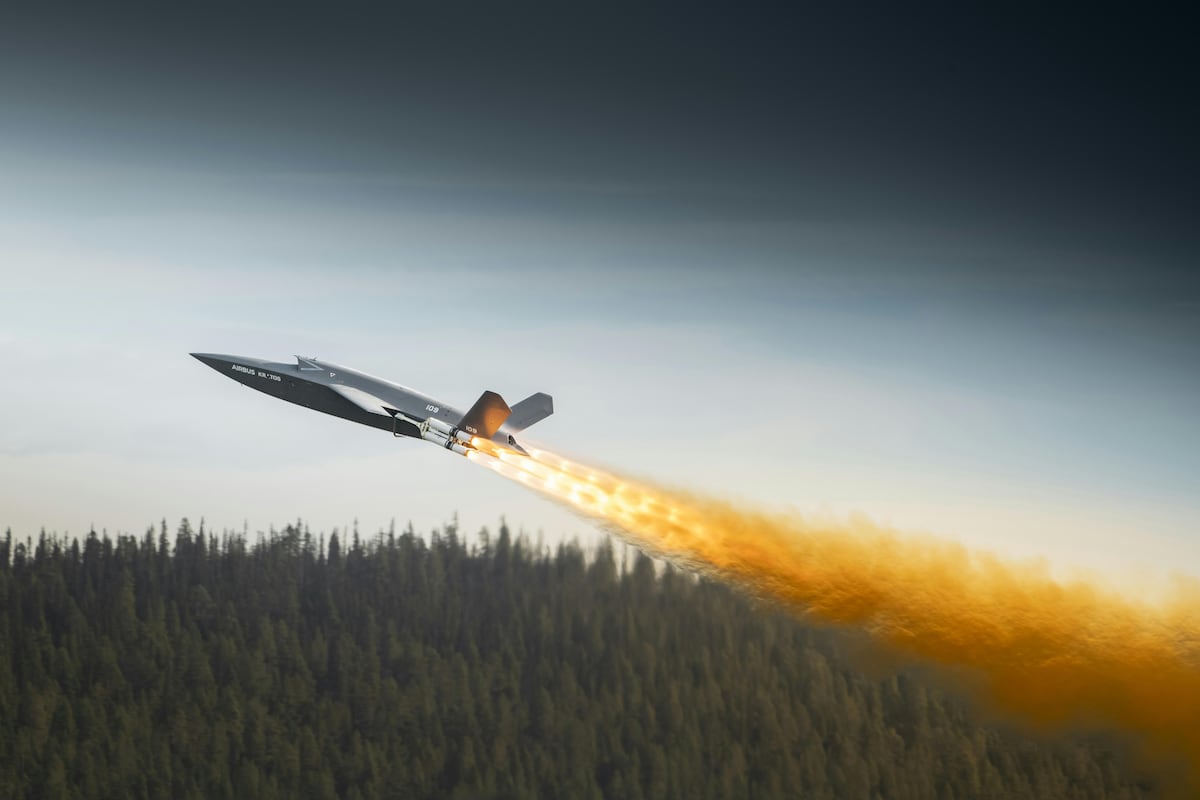
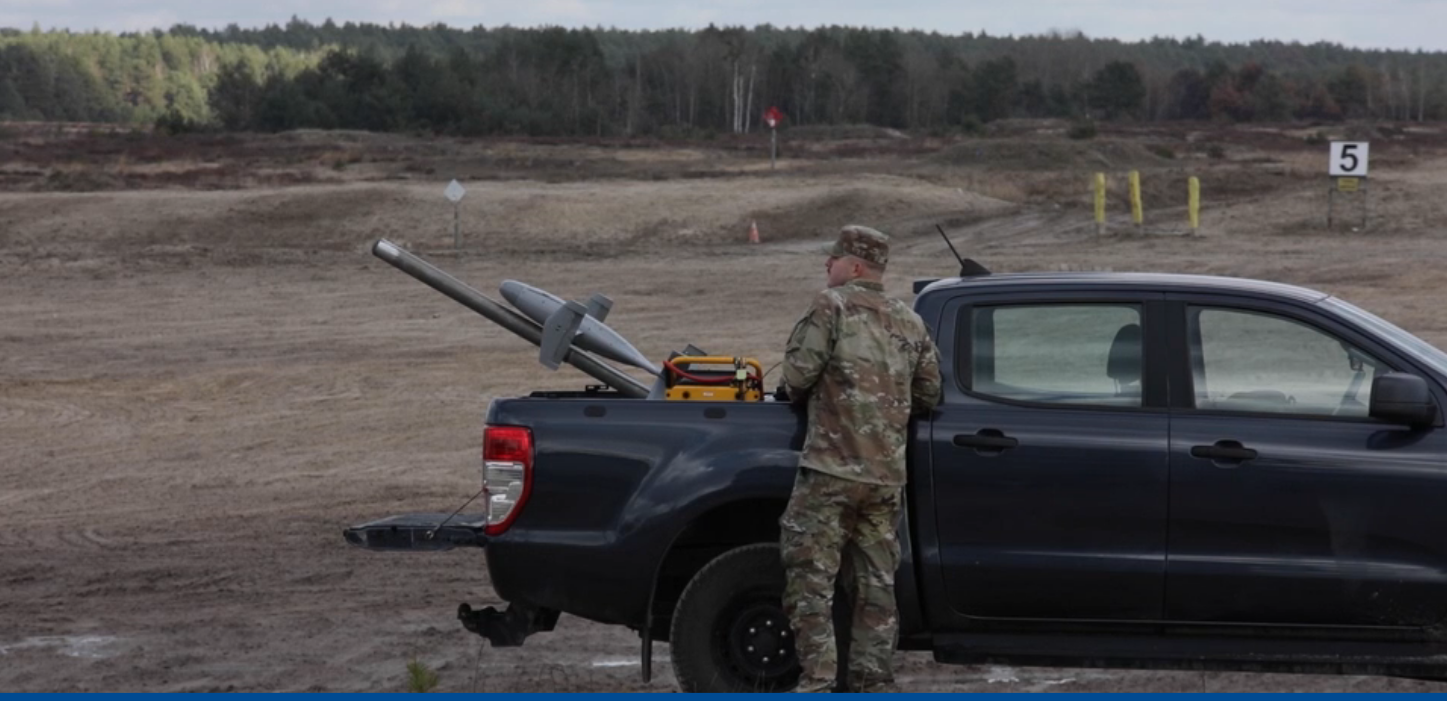
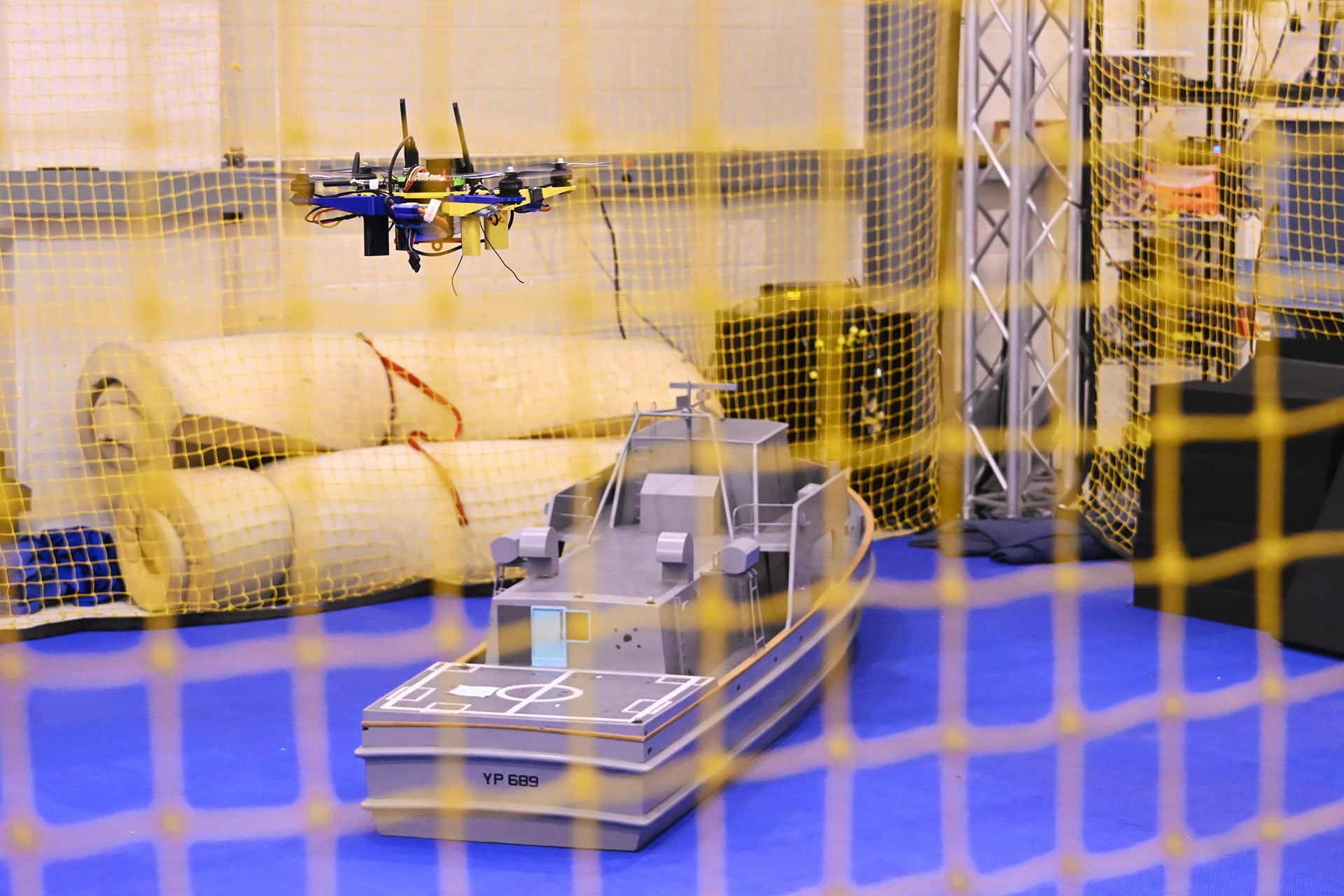
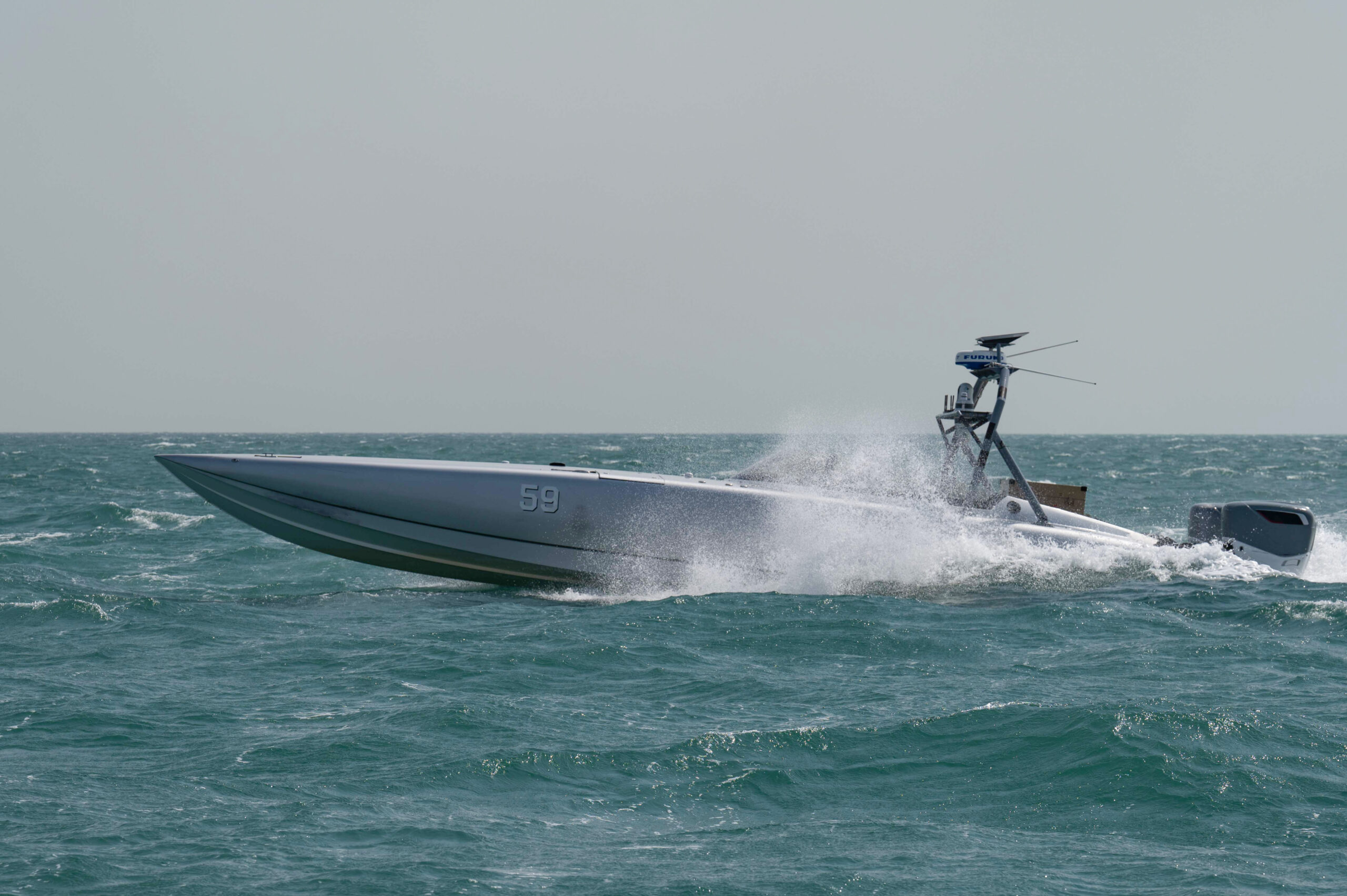
The data reveals that sectors traditionally viewed as conservative, such as defense and aerospace, are now prime targets for venture capital. The integration of AI technologies can lead to breakthroughs in capabilities such as drone warfare, predictive maintenance for aircraft, and enhanced situational awareness through advanced data analytics. As these investments continue to flow, it is crucial for industry stakeholders to remain agile and forward-thinking, ready to adapt to the rapidly evolving technological landscape.
Looking ahead, the trajectory of startup investments suggests an ongoing commitment to innovation, particularly in AI. As the defense and aerospace industries become increasingly intertwined with these advancements, stakeholders must consider how to leverage these technologies effectively. The influx of capital not only fuels growth but also fosters a culture of collaboration and knowledge-sharing among startups and established players. For investors and builders in the defense sector, staying ahead of this curve will be essential in navigating the complexities of a rapidly changing environment.
As we move into the latter half of 2026, the emphasis on AI is likely to deepen, shaping the future of defense technologies and strategies. The challenge will be to harness this investment momentum responsibly and strategically, ensuring that emerging technologies serve not just as profitable ventures but as essential tools in safeguarding national security and advancing aerospace capabilities.