CBO Says Upfront Costs To Protect Military Installations From Drones Between $1 Million And $74 Million
In an era where technology evolves at breakneck speed, the advent of drone warfare presents both unprecedented opportunities and significant challenges for military installations worldwide. The Congressional Budget Office (CBO) recently released a report detailing that the upfront costs to protect U.S. military bases from potential drone threats could range dramatically from $1 million to as high as $74 million. This staggering estimate underscores the urgent need for the defense community to reassess its strategies and investments in securing critical infrastructure against burgeoning aerial threats.
The CBO's report highlights a reality that many defense industry professionals have been grappling with: the rapid proliferation of drone technology has outpaced traditional security measures. As drones become more accessible and sophisticated, military installations are increasingly vulnerable to a range of threats, from surveillance to direct attacks. The potential costs associated with this new form of warfare are not just financial; they also encompass strategic implications that could reshape how military operations are conducted.
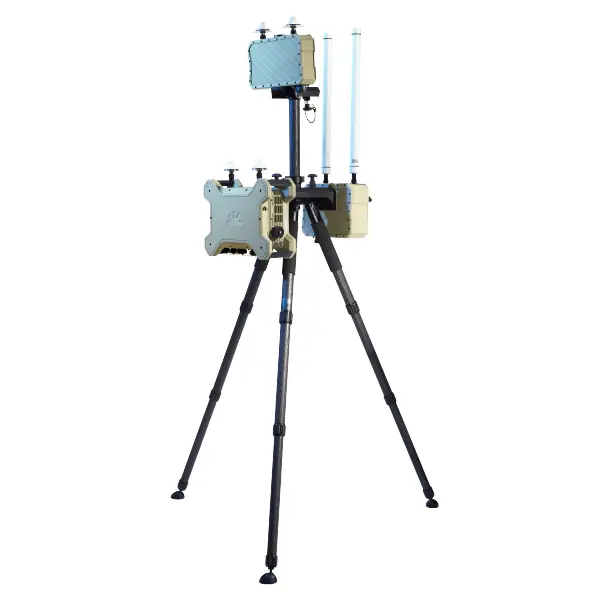
For builders and investors in the defense sector, these figures signal a growing market for advanced drone defense solutions. The lower end of the cost spectrum—$1 million—might represent basic counter-drone technologies, such as jamming devices or detection systems. In contrast, the upper end—$74 million—could include comprehensive, multi-layered defense networks involving advanced radar systems, kinetic and non-kinetic interceptors, and integrated command and control systems. As demand for these technologies increases, companies that innovate and provide effective solutions could find themselves at the forefront of a lucrative market.
Moreover, the implications of these findings extend beyond mere financial considerations. The CBO's analysis serves as a wake-up call for military planners and policymakers, emphasizing the need for a strategic overhaul in how the U.S. approaches aerial threats. As adversaries adopt drone technology, the U.S. military must not only enhance its defensive capabilities but also consider offensive strategies that could deter drone deployment by potential adversaries. This dual approach will be vital in maintaining operational superiority in an increasingly contested aerial domain.
As the defense and aerospace sectors pivot to address these challenges, collaboration will be key. The integration of emerging technologies such as artificial intelligence, machine learning, and data analytics will be crucial in developing proactive and adaptive defense systems. Furthermore, partnerships between government entities and private industry will foster innovation and expedite the deployment of effective countermeasures.
Looking ahead, the CBO’s report serves as a crucial reminder of the evolving landscape of military defense. The financial investment required to safeguard military installations from drone threats is a necessary step in ensuring national security. As the industry mobilizes to meet these challenges, the potential for innovation and growth is immense, positioning the defense community to not only defend against emerging threats but also to lead in the next generation of warfare preparedness.