
Blackbeard Flight Tested On Super Hornet
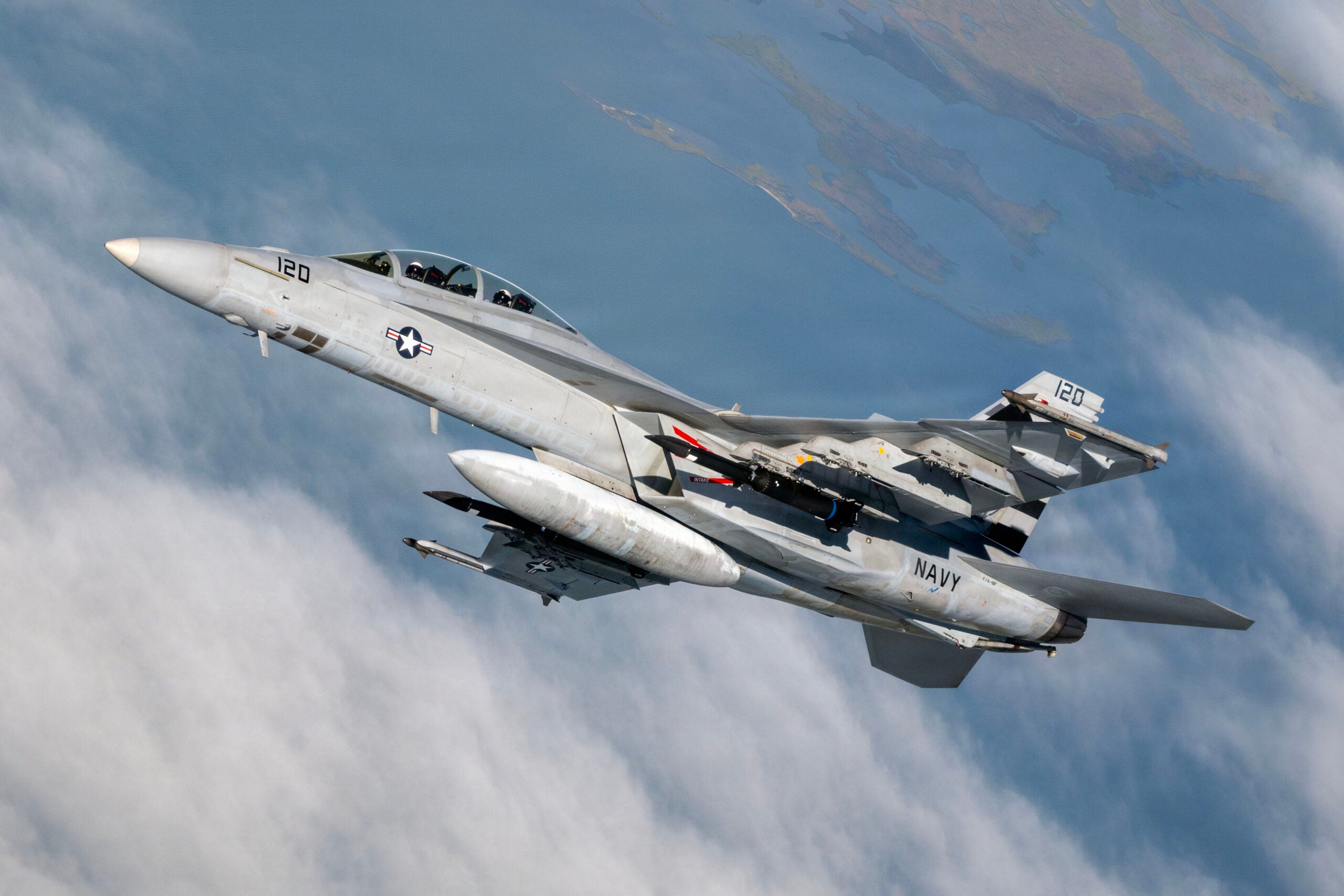
In a significant leap forward for naval aviation, the recent flight testing of the Blackbeard system on the F/A-18 Super Hornet marks a pivotal moment in the integration of autonomous technologies into conventional military platforms. Blackbeard, a system designed to enhance unmanned operations, has proven its ability to operate alongside manned aircraft, demonstrating not only its technical capabilities but also the potential for transforming how the U.S. Navy conducts missions in contested environments. As defense budgets tighten and the demand for innovative solutions increases, this advancement could redefine operational strategies in the years to come.
The Blackbeard system, which enables the Super Hornet to autonomously manage unmanned aerial vehicles (UAVs), represents a notable stride towards achieving affordable mass in military operations. By augmenting manned aircraft with autonomous capabilities, the Navy is taking a critical step toward enhancing the effectiveness and flexibility of its fleet without the prohibitive costs associated with acquiring additional manned platforms. This approach aligns perfectly with the growing emphasis on attritable and low-cost systems, which are designed to be produced in large quantities and operate without the risk of significant loss, thereby preserving more expensive assets for critical missions.
Furthermore, the implications for sustainment are equally significant. The integration of Blackbeard can lead to lower operational costs and improved mission readiness by streamlining logistics and reducing the reliance on human pilots for certain tasks. This not only enhances the safety of personnel but also allows for the efficient allocation of resources within the fleet. As the military grapples with the challenges of maintaining readiness amidst budget constraints, the adoption of such technologies could provide a viable pathway to sustaining a capable and effective naval force.
The successful flight tests of Blackbeard on the Super Hornet also highlight the importance of innovation in defense procurement and development processes. As industry partners collaborate to integrate these advanced systems, the lessons learned from this program could pave the way for future advancements across various platforms. This shift towards integrating autonomy into existing systems underscores a broader trend in defense strategy, where the emphasis is placed not only on advanced technology but also on the ability to leverage existing assets to their fullest potential.
Looking ahead, the implications of the Blackbeard flight tests extend beyond just the Super Hornet. As the Navy explores further integrations of autonomous systems, other branches of the military may follow suit, creating a more interconnected and responsive battlefield environment. The push for affordable mass and sustainment through such innovative technologies will be crucial as defense priorities evolve, ensuring that the U.S. maintains its competitive edge in a rapidly changing global landscape. The Blackbeard initiative is not just a testament to technological advancement; it is a strategic move towards reimagining the future of military operations, where affordability and effectiveness go hand in hand.



