AV’s New C-UAS Deal Begins With $80 Million Titan Order To Air Force Global Strike Command
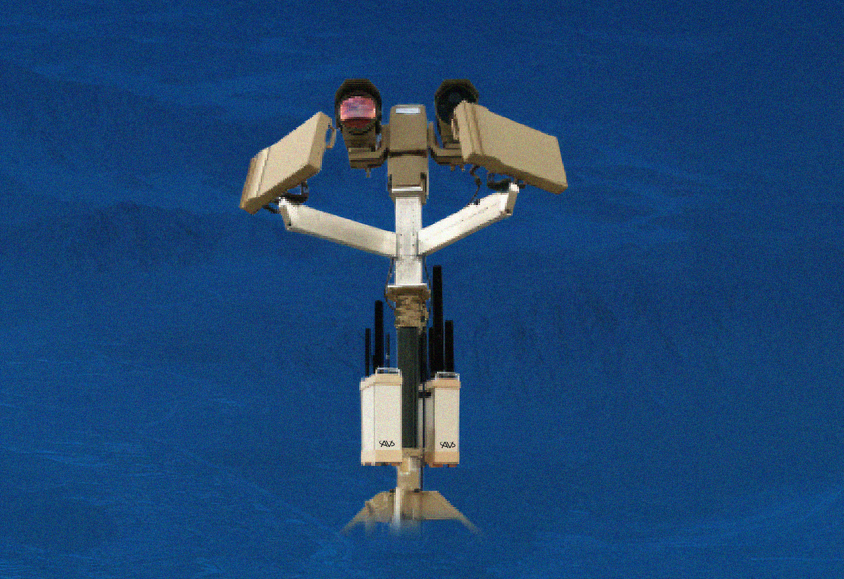
In a significant move poised to reshape the counter-unmanned aerial systems (C-UAS) landscape, Airborne Ventures (AV) has secured an $80 million contract with the Air Force Global Strike Command for its Titan system. This deal marks a pivotal moment not only for AV but also for the broader defense and aerospace sectors, as it underscores the increasing emphasis on countering the proliferation of drone technology, which poses a tactical threat across various military operations.
The Titan system, designed to detect, track, and neutralize hostile drones, is a testament to AV's commitment to innovation and responsiveness in a rapidly evolving battlefield ecosystem. With the rise of unmanned aerial vehicles (UAVs) used by adversaries ranging from rogue nations to non-state actors, the need for reliable C-UAS solutions has never been more critical. This contract reflects the U.S. military's strategic shift towards enhancing its airspace security, thereby protecting critical assets and personnel from aerial threats.
For builders and investors in the defense sector, this development signals a growing market opportunity in the C-UAS domain. As defense budgets increasingly allocate resources towards advanced technologies, companies that can deliver effective solutions will find themselves in a favorable position. The Titan system's integration into the Air Force's existing frameworks is also indicative of a larger trend towards multi-domain operations, where systems must not only be effective in isolation but also seamlessly interoperable with other military assets.
Moreover, this contract serves as a benchmark for AV's future endeavors. Successfully delivering on the Titan order could bolster the company's reputation, potentially opening doors to further contracts with not just the U.S. military, but also allied forces who are grappling with similar UAV threats. As the demand for sophisticated C-UAS systems grows, AV is well-positioned to capitalize on this trend, especially given the increasing urgency for nations to safeguard their airspace.
While the Titan deal is promising, it is essential for stakeholders to remain cautious and vigilant. The defense industry is characterized by its complexities, including stringent regulatory environments and the necessity for ongoing innovation. As AV embarks on this new chapter, it will need to navigate these challenges effectively to realize the full potential of its technology.
In conclusion, the $80 million Titan order is not merely a financial transaction; it represents a vital tactical advancement in the ongoing battle against drone threats. As the defense community looks ahead, the success of this initiative may catalyze a new era of C-UAS capabilities, driving further investments and innovations in this critical sector. The implications of such advancements will resonate far beyond the confines of military applications, potentially influencing commercial aviation, security protocols, and even civil liberties in an age increasingly dominated by unmanned systems.