Army Plans Sustained Procurement Cuts To Black Hawk, Apache And Chinook Fleets
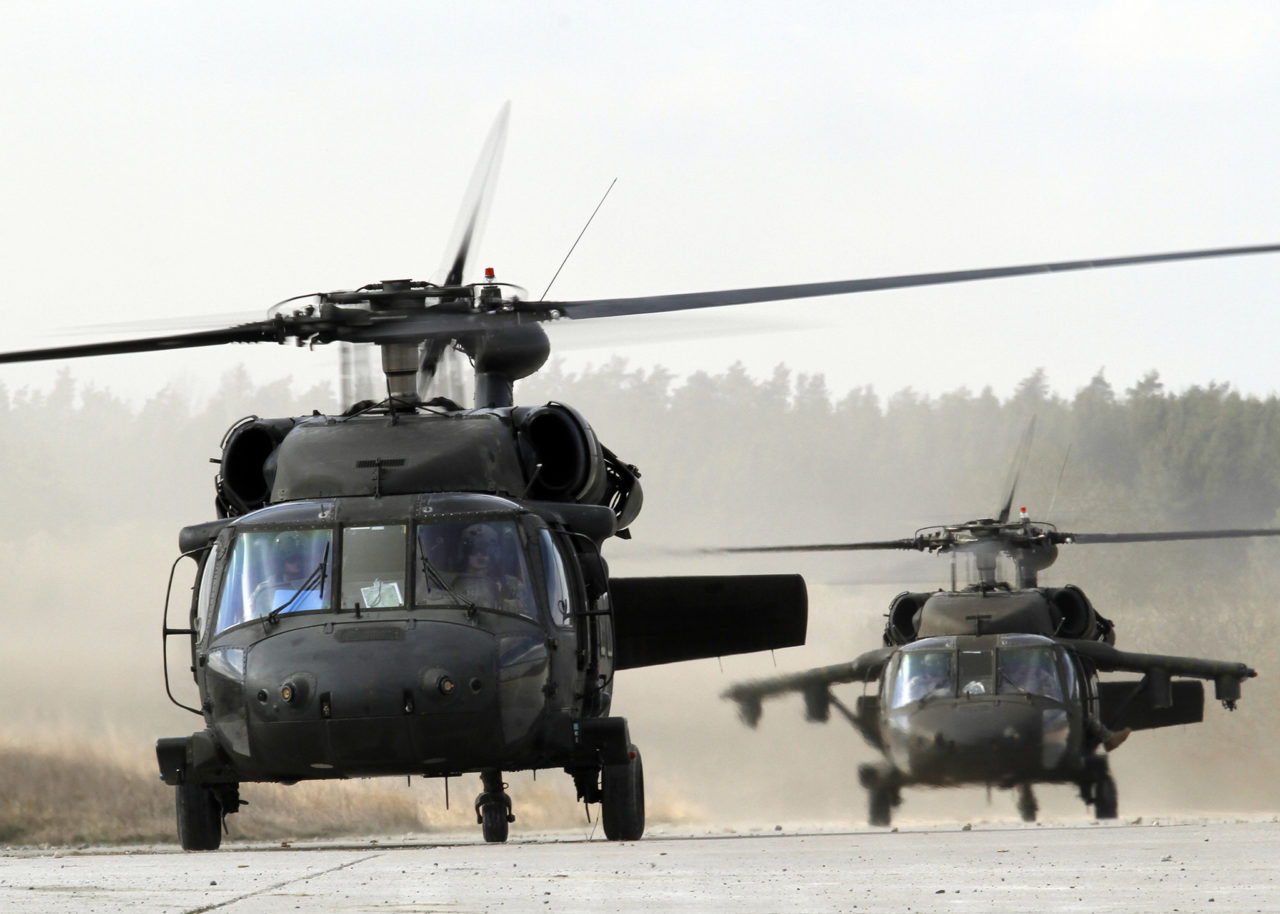
In a significant shift of strategy, the U.S. Army has announced plans for sustained procurement cuts to its iconic fleets of Black Hawk, Apache, and Chinook helicopters. This decision raises critical questions regarding the Army's future operational capabilities and its approach to modernization in an era of evolving defense challenges. As military budgets tighten amid rising global tensions, the implications of these cuts extend beyond immediate fleet management; they resonate deeply within the defense and aerospace sectors, impacting manufacturers, investors, and policymakers alike.
The Black Hawk, Apache, and Chinook helicopters have long been the backbone of U.S. Army aviation, each serving distinct roles that enhance operational flexibility and tactical effectiveness. The Black Hawk is renowned for its utility in troop transport and medical evacuation, while the Apache is a formidable attack helicopter that provides close air support. The Chinook, with its heavy-lift capabilities, has been instrumental in logistics and supply chain operations. Thus, any reductions in procurement raise concerns about the Army's ability to maintain readiness and sustain critical missions in diverse operational environments.
The Army's decision to cut procurement is rooted in a strategic reassessment of its needs, influenced by a broader shift towards modernization and the integration of advanced technologies. As the military grapples with the challenges posed by peer and near-peer adversaries, there is a pressing need to invest in next-generation systems that can outperform existing platforms. This pivot towards modernization is not without its trade-offs; it necessitates a careful balance between maintaining legacy fleets and investing in future capabilities. For the defense contractors involved in manufacturing these helicopters, this presents both challenges and opportunities. While immediate contracts may dwindle, the focus on innovation could lead to new partnerships and projects centered around advanced rotorcraft technologies.
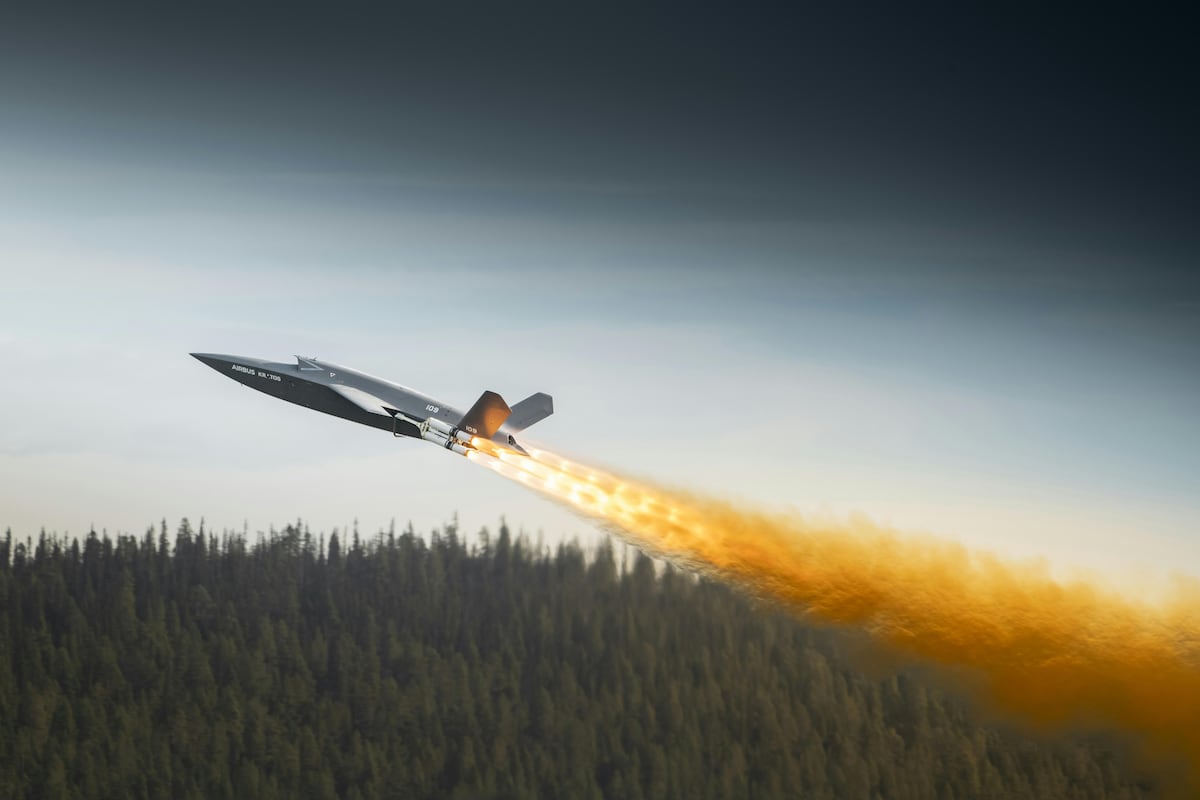
Moreover, these procurement cuts come at a time when the defense industry is under increasing pressure to innovate while also managing costs. The transition towards unmanned systems and other advanced technologies is reshaping the landscape of military aviation. Companies will need to adapt to this new paradigm, potentially shifting their focus from traditional platforms to developing hybrid solutions that incorporate automation and advanced data analytics. Investors in the defense sector would do well to monitor these trends closely, as the future of military aviation may hinge on the successful integration of these technologies.
As we look to the future, the Army's procurement cuts signal a critical juncture for the defense community. While the immediate ramifications may be felt in the reduced production rates of these storied helicopters, the long-term impact will depend on the Army's ability to effectively navigate the transition towards next-generation capabilities. The defense sector must remain agile, embracing innovation while ensuring that operational readiness does not falter in the face of change. Ultimately, this strategic shift could redefine the landscape of military aviation, compelling all stakeholders to reassess their roles and investments in a rapidly evolving environment.