Autonomous Maritime Vessel Developer Ulysses Announces $46 Million In Funding
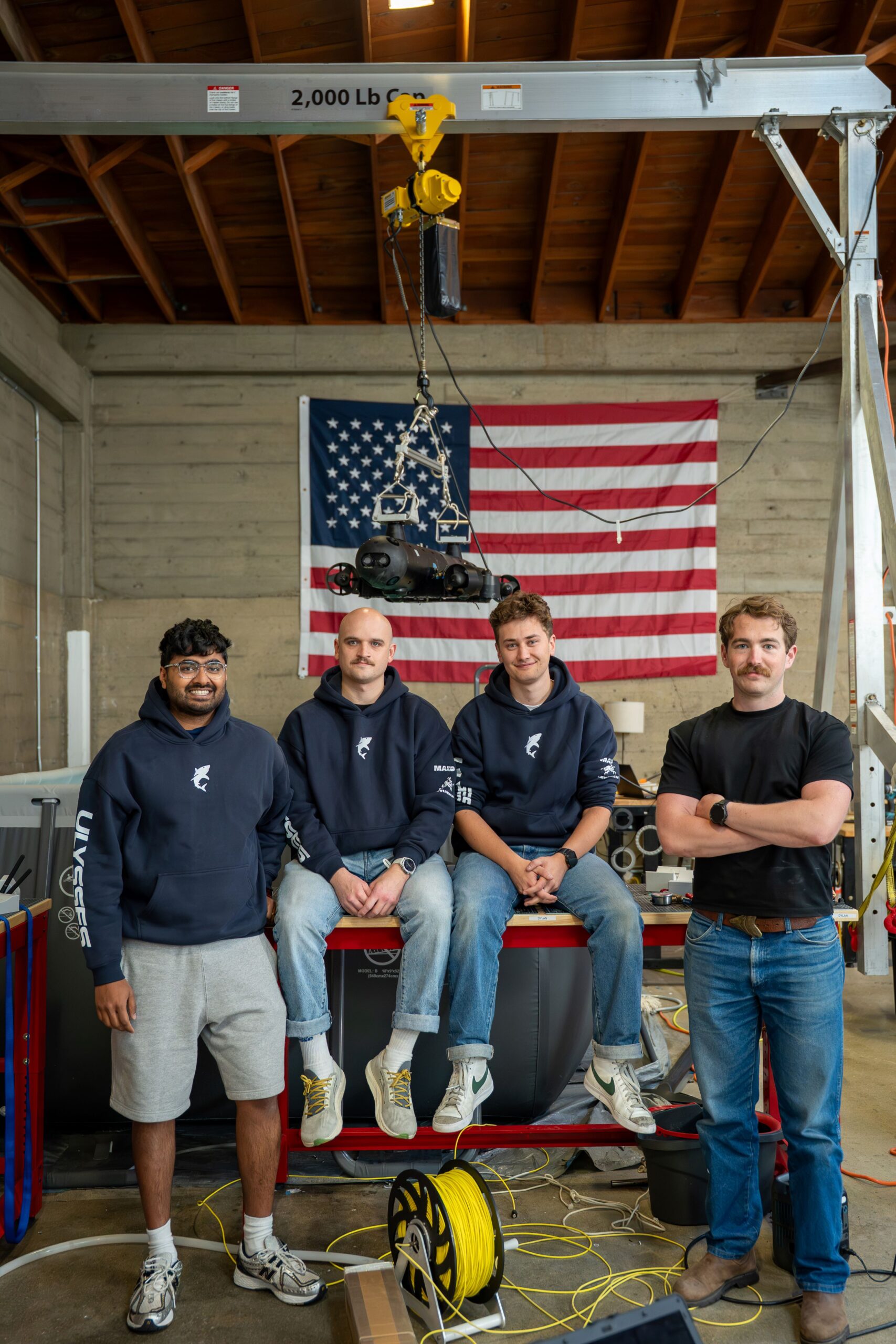
In a significant leap towards the future of naval warfare and maritime logistics, Ulysses, a pioneering developer of autonomous maritime vessels, has announced a substantial funding round amounting to $46 million. This investment not only underscores the growing confidence in unmanned systems but also highlights the increasing demand for innovative solutions in defense and maritime operations. With the funding, Ulysses is poised to enhance its capabilities further and expand its fleet of autonomous vessels, which are envisioned to revolutionize how naval forces operate in contested environments.
The defense industry is witnessing a paradigm shift as technological advancements in automation and artificial intelligence reshape traditional military operations. Ulysses’ focus on developing autonomous vessels aligns with a broader trend where militaries around the world are investing in unmanned systems to maintain a strategic advantage. The global landscape is continuously evolving, and the ability to deploy unmanned platforms could be the key differentiator in future maritime conflicts. Ulysses’ recent funding will enable it to accelerate research and development efforts, positioning the company at the forefront of this technological revolution.
This influx of capital comes at a time when concerns over maritime security continue to escalate. As nations grapple with challenges such as piracy, territorial disputes, and the rise of asymmetric threats, the need for advanced surveillance and reconnaissance capabilities becomes increasingly critical. Ulysses’ autonomous vessels are designed to operate in complex environments, providing real-time intelligence and enhancing situational awareness without risking human lives. This capability not only enhances operational efficiency but also allows for increased mission flexibility, which is paramount in modern defense strategies.
Furthermore, the investment in Ulysses reflects an appetite for innovation from both private investors and government entities. The collaboration between the defense sector and venture capital is essential for fostering advancements in technology that can be applied to national security. As military budgets continue to prioritize modernization, companies like Ulysses that blend cutting-edge technology with practical applications will likely attract ongoing interest from investors eager to capitalize on the defense industry's evolution.
Looking ahead, the implications of this funding extend beyond Ulysses itself. As the company develops its fleet, it sets the stage for a new era of maritime operations, where autonomy and intelligence work in harmony to confront global challenges. The potential for expanded partnerships with defense contractors and government agencies could lead to new operational frameworks that leverage Ulysses' technology. The future of maritime defense may well hinge on the success of these autonomous systems, making Ulysses' developments a focal point for industry professionals and investors alike. As we witness these advancements, it is clear that the maritime arena is on the brink of transformation, driven by innovation and a commitment to enhancing national security.