
Army to establish new autonomy command, acquisition executive
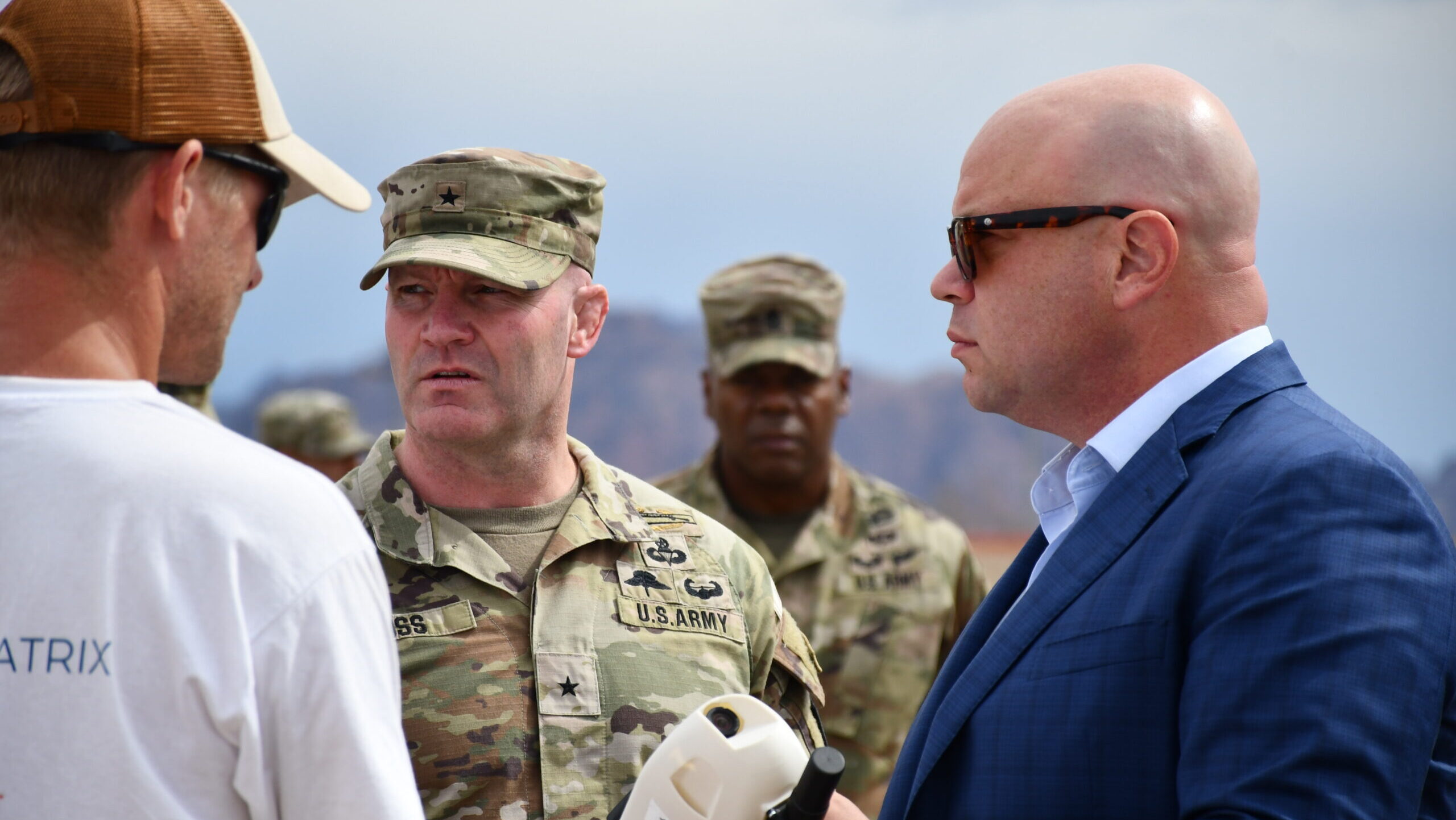
In a significant shift towards modern warfare adaptability, the U.S. Army has announced the establishment of a new autonomy command and acquisition executive. This strategic move, reported by Breaking Defense, underscores the Army's commitment to harnessing cutting-edge technologies to enhance operational efficiency and combat effectiveness. With the increasing complexity of modern battlefields, the integration of autonomous systems stands as a pivotal element in ensuring that U.S. forces maintain their competitive edge.
The establishment of this command is not just a bureaucratic reshuffle; it signals a robust investment in affordable mass solutions. By focusing on low-cost, attritable systems that can be rapidly developed and deployed in quantity, the Army is positioning itself to leverage advanced technologies while also managing budgetary constraints. As geopolitical tensions rise, the ability to field large numbers of autonomous systems could offer a tactical advantage, allowing for more versatile and responsive operations without the prohibitive costs associated with traditional platforms.
Moreover, this new command aims to streamline acquisition processes, which have often been criticized for their sluggishness and inefficiency. By appointing a dedicated acquisition executive focused on autonomy, the Army hopes to accelerate the integration of innovative technologies into its operational framework. This is particularly crucial as the defense sector faces increasing pressure to deliver capabilities that are not only advanced but also sustainable. A more agile acquisition process can ensure that the Army remains at the forefront of technological advancements while keeping operational costs manageable, thereby enhancing sustainment for existing and future fleets.
The implications of this development extend beyond merely enhancing operational capabilities; they also reflect a broader shift in defense priorities. As the Army embraces autonomous solutions, the defense industry must adapt and innovate to meet these emerging needs. Suppliers and investors should take note of the growing demand for low-cost, high-volume systems that can be developed and deployed rapidly. This shift presents a unique opportunity for companies focused on affordable mass production and sustainable technologies to engage with the Army's evolving requirements.
Looking ahead, the establishment of an autonomy command is likely to catalyze further advancements in autonomous capabilities across the armed services. As the Army leads the charge, other branches may follow suit, fostering a more integrated and cohesive approach to military autonomy. The potential for collaborative development between government and industry partners could yield not only operational efficiencies but also drive down costs associated with research and development. As the U.S. Army embarks on this new journey, the focus on affordable mass and sustainment will be critical in shaping the future landscape of military operations. The defense community must remain vigilant and proactive in embracing these changes, ensuring that the U.S. military is not only ready for today’s challenges but also equipped for tomorrow’s uncertainties.



