Army Rapidly Boosting UAS Component Production At Tobyhanna As It Moves Beyond SkyFoundry
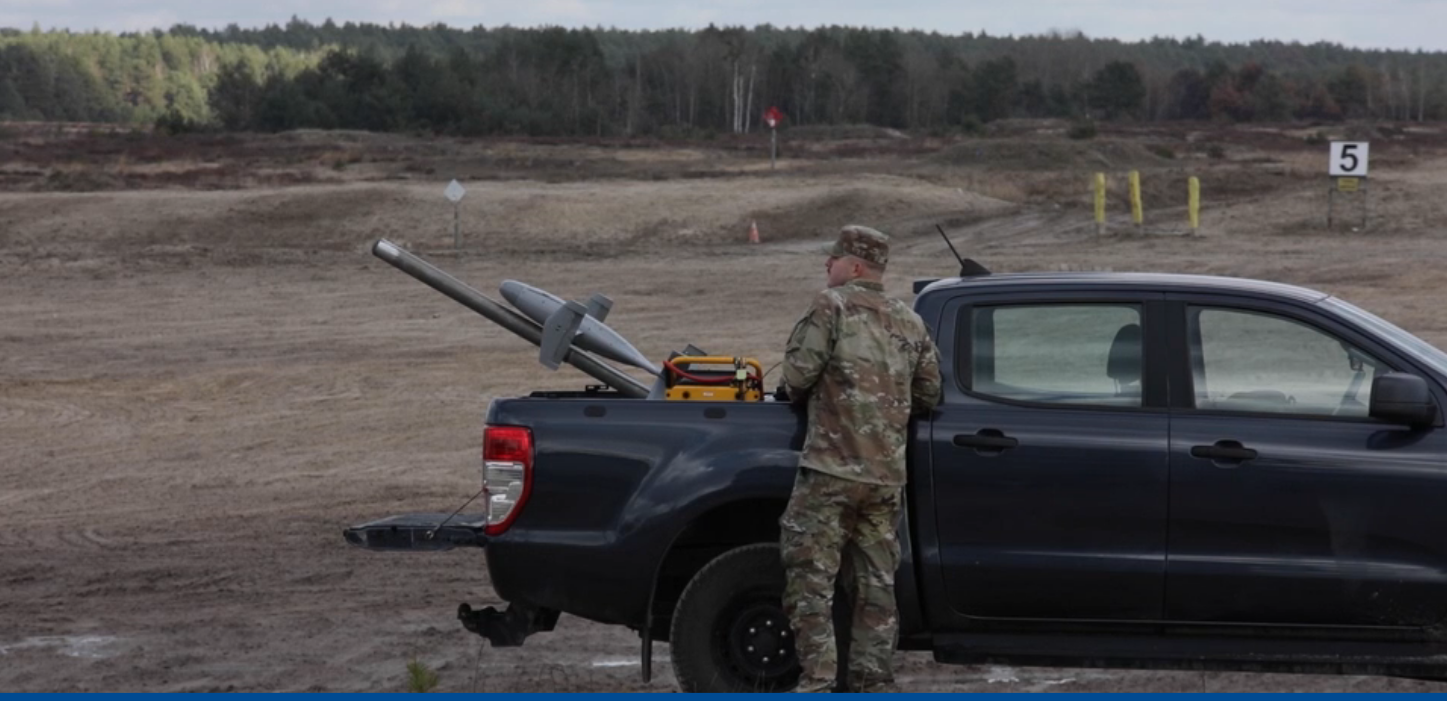
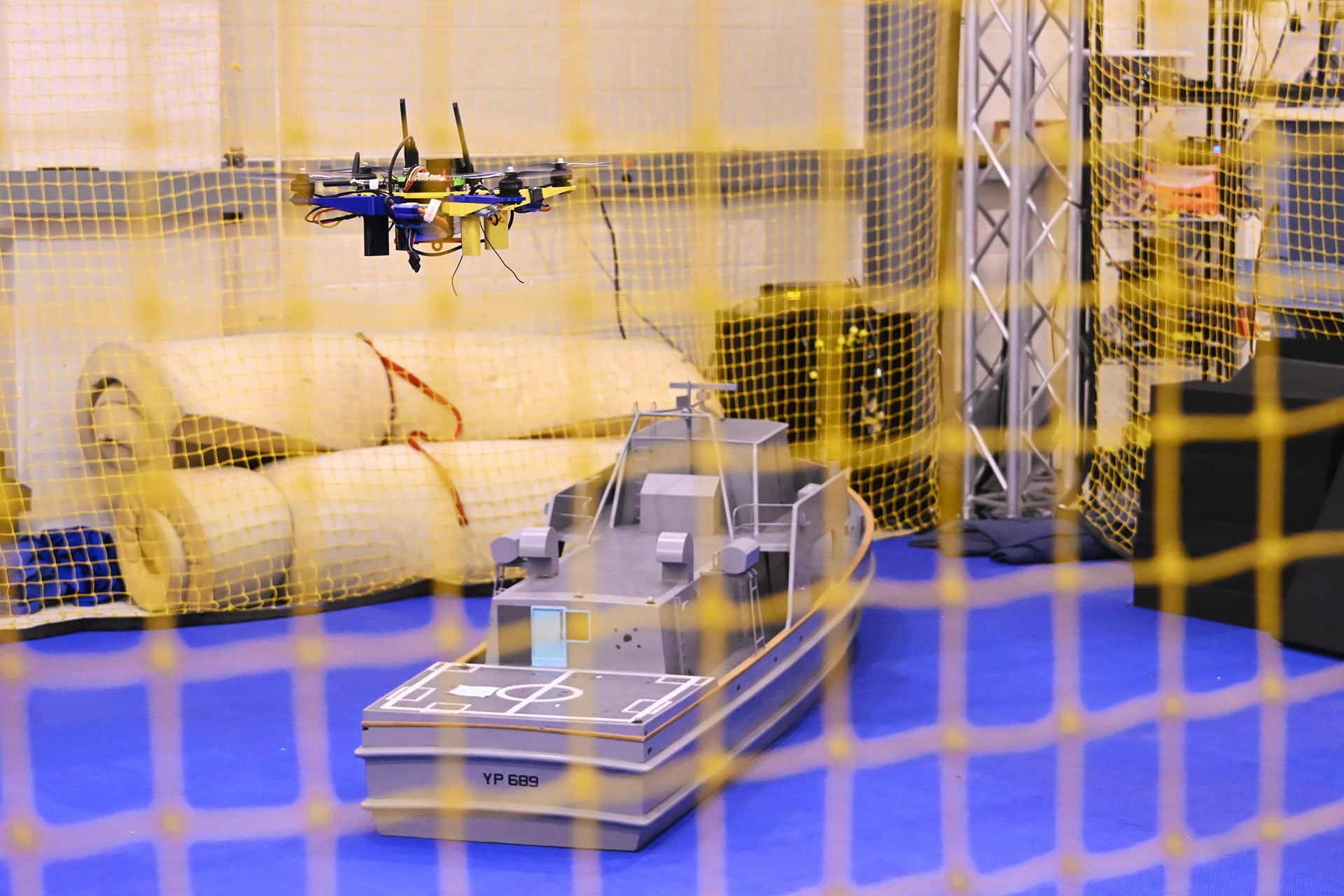
In a strategic pivot aimed at enhancing operational capabilities, the U.S. Army is ramping up its production of unmanned aerial systems (UAS) components at the Tobyhanna Army Depot. This significant move, announced in the wake of transitioning away from the SkyFoundry program, underscores the Army's commitment to advancing its drone technology and maintaining a competitive edge in modern warfare. The push to increase UAS production reflects not only a response to growing demand for aerial surveillance and reconnaissance but also an acknowledgment of the evolving landscape of defense technology.
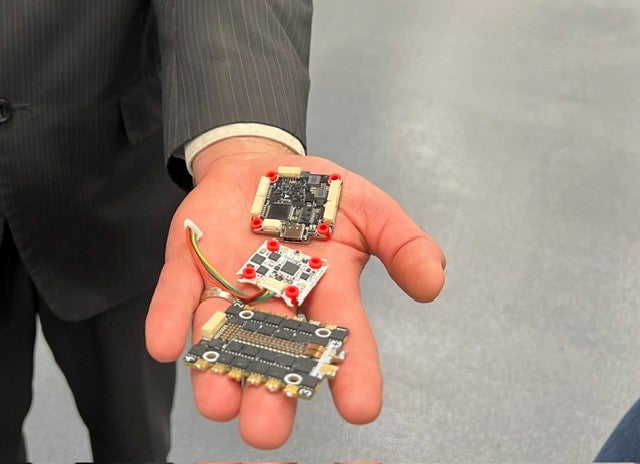
The Tobyhanna Army Depot has long been a critical asset in the Army's logistics and maintenance framework, specializing in the repair and support of various electronic systems. By focusing on UAS components, Tobyhanna is positioning itself as a key player in the Army's broader strategy to enhance its drone capabilities. This initiative comes at a time when unmanned systems are becoming an indispensable part of military operations, providing real-time intelligence and reducing the risk to personnel in high-stakes environments.
Transitioning away from SkyFoundry, which was primarily focused on a singular platform, allows for a more diversified approach to UAS production. This shift is particularly relevant as the Army seeks to integrate a range of unmanned systems that can operate in tandem with other military assets. The decision to expand production capabilities at Tobyhanna aligns with the Army's modernization goals, particularly in the realms of digital warfare and autonomous operations. As defense budgets evolve and the demand for advanced technology solutions increases, the emphasis on UAS capabilities is more relevant than ever.
For builders, investors, and defense industry professionals, this development signals a burgeoning opportunity within the UAS market. The Army's increased investment in drone technology not only points to a growing need for components but also suggests potential partnerships and contracts for companies involved in the manufacturing and development of UAS technologies. Furthermore, as the Army enhances its production capabilities, there may be a ripple effect across the defense supply chain, promoting innovation and efficiency in related sectors.
Looking ahead, the Army's strategic focus on UAS production at Tobyhanna may well set a precedent for other branches of the military to follow. As technological advancements continue to reshape the battlefield, the integration of UAS into various military operations will likely accelerate. This ongoing evolution presents a unique opportunity for industry stakeholders to engage with the Army's vision for future warfare. The UAS sector is poised for significant growth, and those prepared to adapt and innovate will undoubtedly play a crucial role in shaping the next generation of military capabilities.